
Balearic Boc and the Lesser Known Species of Spain
Beyond the four ibex subspecies, Spain holds a quiet roster of species that reward the hunter who looks further. This guide covers the Balearic boc and several other targets that rarely make the headline lists.
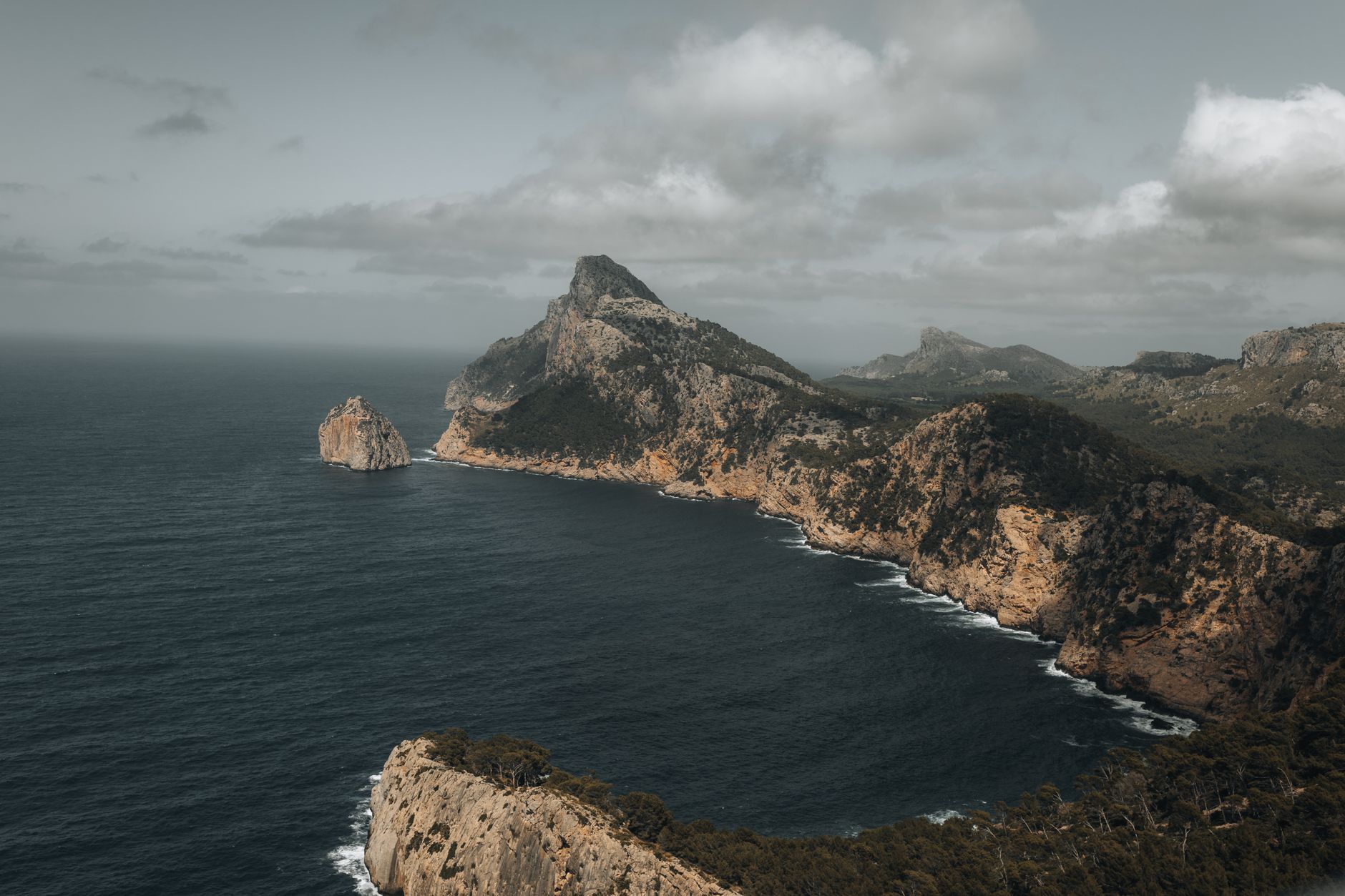
Spain is most often discussed in hunting circles through the lens of the Spanish ibex grand slam or the driven red-legged partridge. Both deserve their reputation. But the country holds a broader roster of huntable species than most international hunters realise, and several of them offer stalking that is genuinely difficult to find elsewhere in Europe. The Balearic boc is the most striking example: an insular wild goat hunted on the island of Mallorca, recognised by CIC as a distinct trophy animal, and almost entirely absent from the planning conversations of hunters who have never been pointed toward it.
What Is the Balearic Boc and Why Does It Matter to Trophy Hunters?
The Balearic boc (Capra aegagrus var. domestica, locally called boc or boque) is a feral goat population that has lived wild on Mallorca for thousands of years. CIC recognises it as a separate entry in its measurement system, which means a mature boc taken on a fair-chase stalk earns an official score distinct from any ibex subspecies. For hunters building a broad European record book portfolio, that distinction matters.
The terrain is a genuine surprise. The Serra de Tramuntana, a limestone range running along the island's north-western edge and listed as a UNESCO World Heritage landscape, is steep karst country with dense scrub, cliff edges and long views across the Mediterranean. This is not a flat island walk. A boc stalk demands patience, reasonable fitness and a willingness to move quietly through ground the animals know far better than any visitor.
Season, Permits and Practical Considerations
Hunting seasons and quota arrangements on the Balearic Islands are set by the regional government of the Illes Balears and can differ meaningfully from the mainland Spanish calendar. The process involves regional authorisation, a locally issued licence and coordination with the landowner or hunting estate. The island has no vast open wilderness: access is through private fincas and managed hunting grounds. Exact season dates, permit requirements and applicable quotas must be confirmed for the season in question and for the hunter's country of origin, as the regional authority reviews these details periodically. Any question worth asking about this hunt is worth putting directly to the outfitter before planning begins.
Other Spanish Species That Rarely Appear in the Brochures
Cantabrian Chamois (Rebeco Cantábrico)
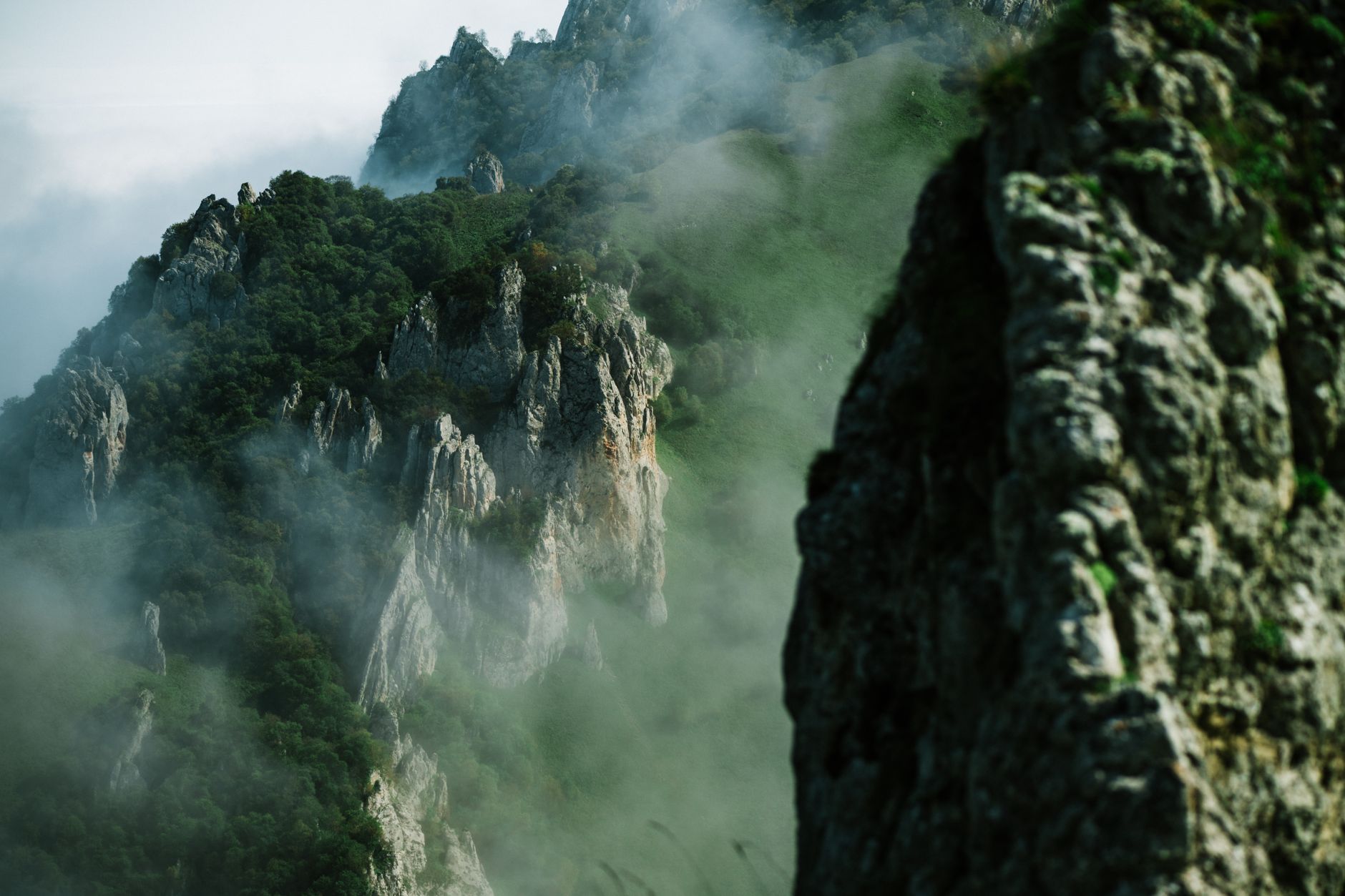
The Pyrenean chamois is the subspecies most often discussed internationally, but Spain also holds the Cantabrian chamois (Rupicapra pyrenaica parva), a separate subspecies found in the Picos de Europa and the Cantabrian chain along the north coast. It is smaller and darker than its Pyrenean cousin. Stalking it means working through some of the most dramatic upland country in northern Spain, little visited by international hunters and correspondingly less pressured. CIC scores it separately from the Pyrenean animal, so for the record book hunter it represents a genuine additional entry.
Iberian Roe Deer (Corzo)
The roe deer of Spain (Capreolus capreolus) is often treated as a secondary target, something to fill a morning before a bigger stalk. That undersells it. Mature Spanish roebucks taken during the rut, which typically runs through the summer months in northern and central Spain, can carry distinctive antler formations worth scoring under CIC. The rut hunt is a calling hunt, conducted on foot at dawn and dusk, and the atmosphere of Spanish oak and chestnut woodland in summer is a long way from the commercial deer parks of central Europe. Seasons and regional rules vary by autonomous community and should be confirmed for the specific area in question.
Red-Legged Partridge (Perdiz Roja) on Private Estates
The driven ojeo is well documented elsewhere on this blog. Less often discussed is the walked-up, or en mano, partridge day: conducted on foot with pointers across the open plains of Castile or Extremadura, it is a slower and more intimate version of the same bird, demanding a different kind of shooting discipline. It suits hunters who prefer a day that feels closer to traditional rough shooting than to a formal driven stand. It is not widely offered because the ground requirements are specific, but it is part of the Spanish small-game tradition worth knowing about. Which format suits a particular group is a reasonable early question for the outfitter.
Spanish Hare and Other Small Game
The Iberian hare (Lepus granatensis) and the rabbit are hunted across much of central and southern Spain, often as informal additions to a larger programme. Coursing traditions using Spanish greyhounds (galgos) remain part of rural culture in certain regions, though the legal situation around coursing has changed in recent years and current rules must be verified. For a group that includes non-hunters or newer shots, a mixed small-game morning can be a practical and sociable way to fill a day that would otherwise involve waiting.
Iberian Wolf: A Note on Status
Some international hunters ask about the Iberian wolf. It should be clearly understood that the wolf (Canis lupus signatus) has been fully protected across Spain since 2021, following a government decision to extend existing northern protections to the entire national population. It is not a huntable species. This is mentioned here only because the enquiries arise and accurate information is more useful than silence.
How These Species Fit Into a Longer Spain Programme
The hunters who tend to find most satisfaction with these lesser-known targets are those who have already completed, or are working through, the Spanish ibex grand slam and are looking for depth rather than repetition. A Mallorca boc paired with a Cantabrian chamois stalk, for example, produces a week covering two CIC entries, two genuinely different landscapes and the experience of both island and northern coastal Spain, none of which overlaps with a previous ibex or partridge trip.
For booking agents considering a multi-species programme for a returning client, these combinations offer something a standard ibex or driven-bird week does not: genuine novelty within a country the client already trusts. The practical logistics, including arranging regional licences, the right season windows, ground access and any CITES or import considerations for the hunter's home country, are questions best raised early and discussed directly with the outfitter rather than assumed from general reading.
If you are considering any of these species for a 2026 or 2027 programme, share your dates and target list with us and we will come back with confirmed availability and a proposal covering the grounds, the logistics and a companion programme if needed.