
Driven Partridge vs Walked Up: Choosing Your Day in Spain
Spain offers two distinct ways to hunt red-legged partridge: the formal driven ojeo and the walked-up day with pointing dogs. Here is how to tell which suits you.
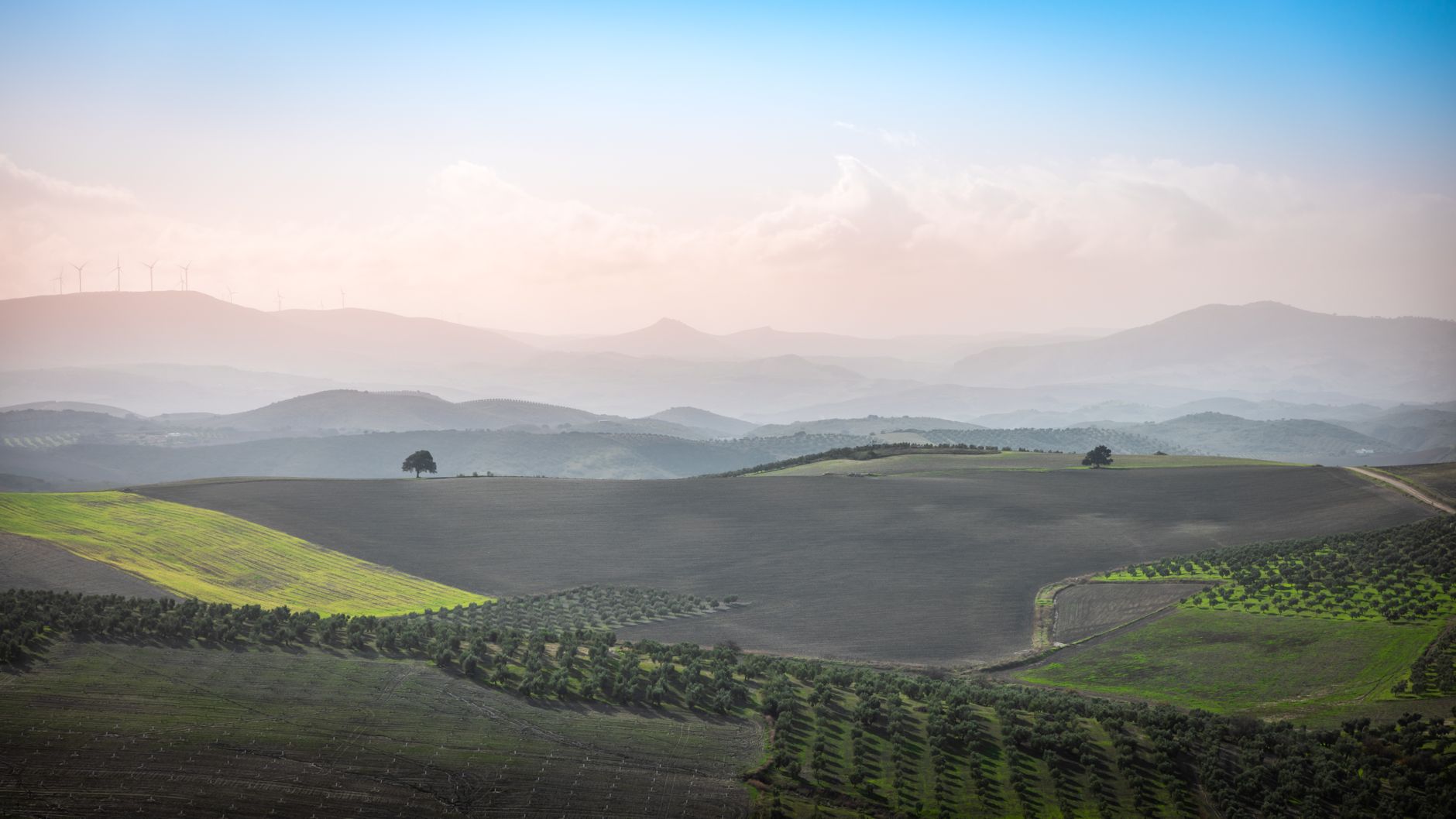
The choice between driven partridge and walked-up partridge in Spain comes down to three things: the size of your group, the kind of shooting day you want, and the terrain available where you are travelling. Neither format is superior. They are genuinely different days, and many serious wing shots book one of each on the same trip.
What follows is a practical comparison written for the hunter who already knows what a red-legged partridge is and wants to choose wisely before confirming dates.
What Makes a Driven Partridge Day Distinctive
A driven day, or ojeo, places the guns in fixed positions along a line while beaters and flankers move birds over them from the surrounding scrub. The partridge come fast, angled and in numbers, often in tight coveys that flush at irregular intervals. It is a demanding discipline that rewards footwork, gun mount and composure rather than physical endurance.
The scale of the operation
A formal ojeo on quality private ground involves a substantial team: a head keeper, a line of beaters, flankers to direct the flight, and loaders if the guns are shooting pairs. The logistics sit closer to a sporting event than a walk in the countryside, and that is part of the appeal. For a group of eight to twelve guns, a well-run driven day carries a rhythm and formality found nowhere else in European wing shooting.
Who it suits
- Experienced wing shots comfortable with high, fast birds and a formal peg arrangement.
- Groups who want a shared, social day with a clear structure and defined positions.
- Corporate or mixed-ability parties where the driven format lets each gun perform at their own level without the day depending on any one person's pace.
- Hunters combining Spain with a business visit or a non-shooting companion programme, since the day is geographically compact and the lodge is usually close to the shooting ground.
The driven format also carries the strongest seasonal concentration. The best months on most Castilian estates fall between October and January, with natural bird numbers peaking in November and December. Dates on the finest private grounds are limited and typically secured well in advance. If a specific estate is part of your criteria, the conversation about availability should start early.
For a fuller picture of the day itself, the guide Driven Red-Legged Partridge in Spain covers the structure of an ojeo in detail. The driven hunts section also covers other species pursued by similar methods.
What a Walked-Up Day Actually Involves
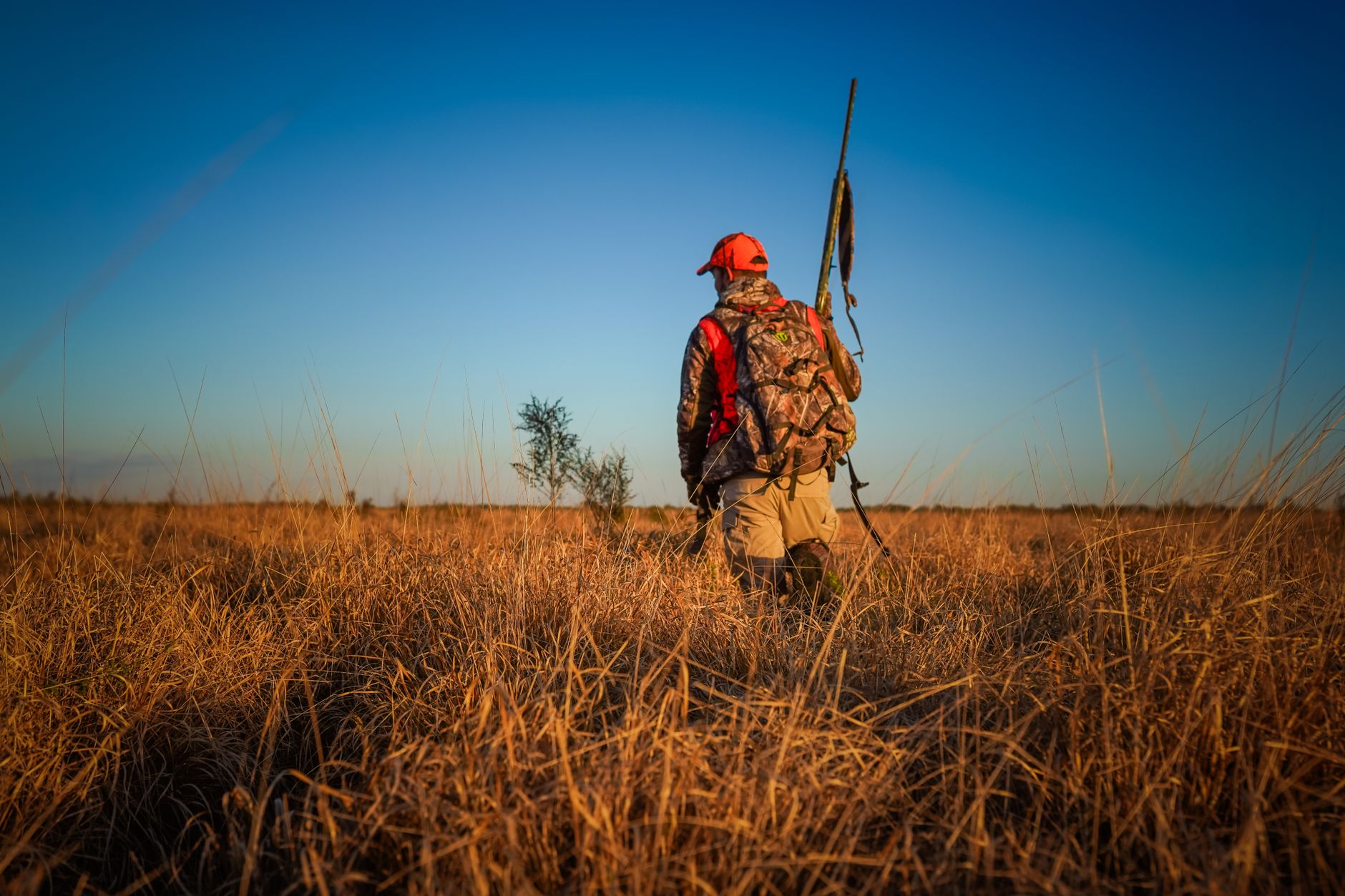
A walked-up day, hunting over pointing or flushing dogs across open ground, is a quieter and more personal experience. The gun walks with a guide and the dog team, often covering two to five kilometres depending on topography, and shoots birds that rise ahead of the point. Coveys tend to flush in smaller groups, the encounter is less predictable, and the pleasure of working with the dogs is central to the day.
The terrain factor
Walked-up days suit ground where the topography has some variety: rolling scrubland, vineyard edges, olive groves, low sierra foothills. Extremadura, parts of Andalusia, and certain areas of Aragon and Navarre offer this kind of mixed habitat where partridge numbers are good and the walking is manageable. The character of the day shifts considerably depending on whether the ground is flat and open or broken and hilly, and it is worth discussing this when you are building your itinerary.
Who it suits
- Hunters who value the dog work as much as the shooting itself.
- Smaller parties, including solo hunters or pairs, for whom a driven day would be logistically disproportionate.
- Hunters who prefer a less structured format and want the freedom to follow the dogs wherever birds are holding.
- Those with a moderate level of walking fitness who want some physical engagement with the landscape without committing to a mountain stalk.
- Hunters combining partridge with hare or woodcock on the same ground, which is common in certain regions.
The walked-up day is generally more forgiving for the occasional wing shot. The pace is set by the dogs and the guide rather than a fixed programme, and there is more room for conversation and observation along the way. It is the more intimate of the two formats.
The small game section of the site gives an overview of the species and formats available across Spain.
Comparing the Two on Practical Criteria
Group size
Driven days are built for groups, typically a minimum of six guns and often eight to twelve. A walked-up day works from one gun upward. Travelling as a couple or a small family party, the walked-up format is usually the right starting point.
Shooting volume
On a well-run driven estate during a strong season, the volume of birds presented can be considerable. Walked-up days tend to offer fewer total shot opportunities but a higher proportion of memorable individual encounters. Neither is better; it depends on what the hunter is looking for.
Physical demand
Standing at a driven peg asks little beyond staying alert and mounting the gun cleanly for several hours. A walked-up day requires a comfortable walking pace over varied ground for most of the morning. Neither compares to a mountain stalk, but fitness expectations are still worth discussing honestly before the day is confirmed.
Combining formats
A trip of four or five days in Spain can reasonably include one driven day and one walked-up day alongside other activities, whether a city visit, a day for a companion, or a second species such as woodcock or hare. The two formats complement each other well and give a fuller picture of Spanish wing shooting. If this combination interests you, raise it at the outset. Grounds for each format are often in different regions, and the logistics are best planned as a single itinerary from the start.
Season dates for both formats are confirmed each year by regional hunting authorities and can vary. The Spain hunting seasons page gives a working framework, but current-season dates and any regional variations should always be confirmed for your specific dates and destination.
How to Decide Before You Book
The most useful starting point is an honest answer to two questions. How many people are in your party, and what is their shooting experience? And is the shared ceremony of a formal driven day part of what you are travelling for, or do you want something more personal and exploratory? Both are legitimate answers, and both lead to a good day in the right hands.
If you are still uncertain, the private consultation that begins every Huntex proposal is the right place to work it through. There is no standard package. The format, the ground and the dates are built around your group once your outfitter understands what kind of day you are actually imagining.
Tell us your preferred dates, the size of your party and which format interests you, and we will come back with confirmed availability and a proposal to match.