
Fallow Deer Hunting in Spain: Where and When to Go
Spain holds strong fallow deer populations across Andalusia, Extremadura and Castile. This guide covers where to find them, when the season peaks and how a hunt is typically structured.
Fallow deer hunting in Spain is concentrated in the broad, wooded plains and dehesa parklands of the south and centre of the peninsula, with the rut falling roughly across October and into November depending on the region and the year. The species is well established, quota-managed and hunted under the same regional licensing framework that governs all big game in Spain, making it a practical addition to any itinerary that already includes red stag or driven wild boar.
For hunters who have read about the red stag rut or the montería for wild boar, fallow deer offer a different set of conditions: lower altitude, mixed woodland and scrub, and an animal that rewards patience and fieldcraft in equal measure.
Where Fallow Deer Are Hunted in Spain
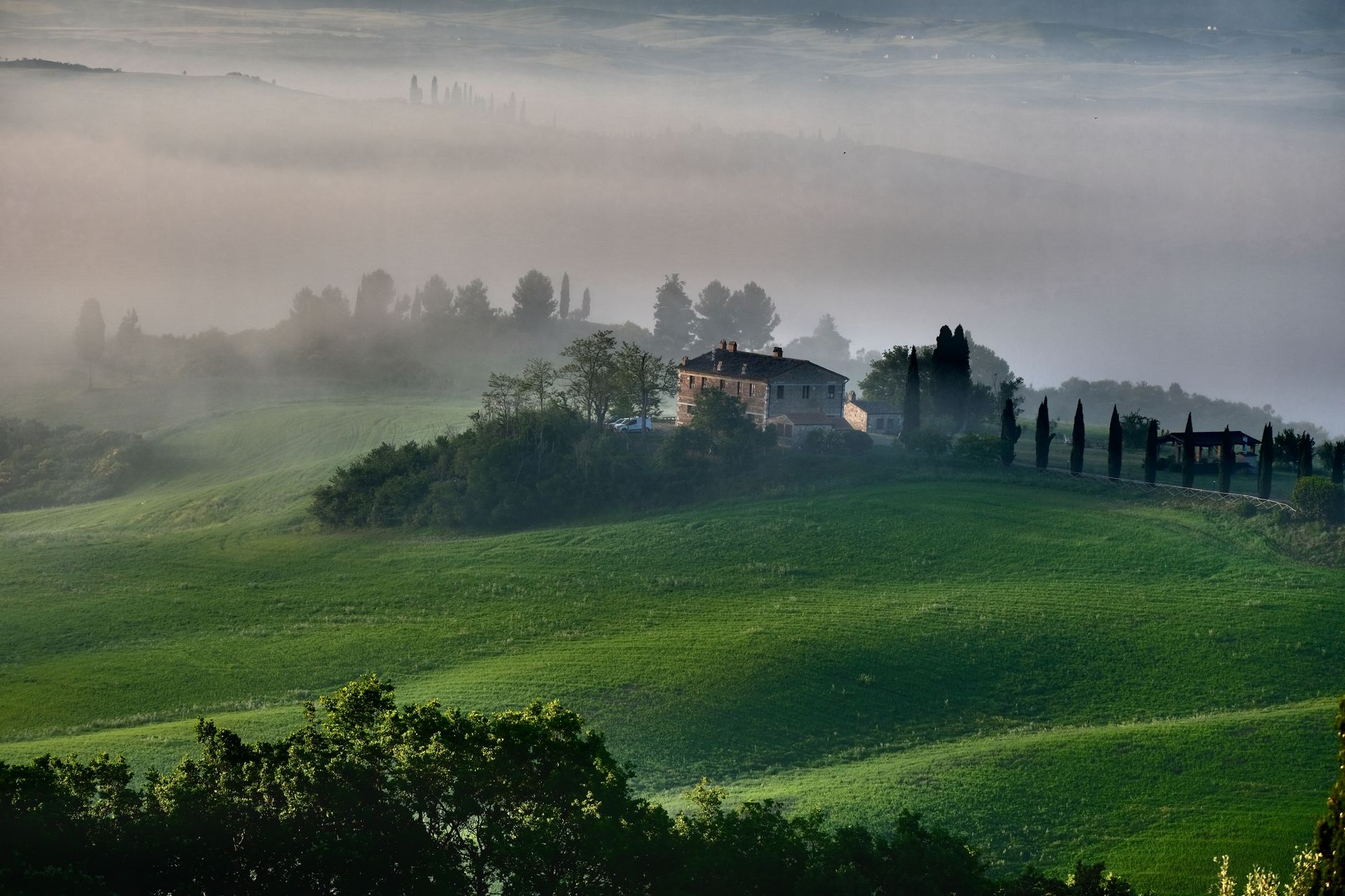
The densest free-range populations are found in Andalusia and Extremadura, particularly within and around the large private estates and natural parks of the Sierra Morena range. Castile-La Mancha also holds huntable numbers, especially across the dehesa, the open oak woodland and pasture landscape that has shaped Iberian hunting for centuries. On the better-managed private ground in the southwest, careful stewardship over many generations tends to show in the quality of mature animals available each season.
The dehesa is worth understanding before you arrive. It is not dense forest. Visibility can be considerable across open ground beneath cork oak and holm oak, which suits a spot-and-stalk approach on foot or a slow drive with a guide to locate and assess animals before committing to a stalk. The terrain is generally accessible and the physical demands are modest compared to mountain hunting, making fallow deer a sensible choice for hunters who want a quality Spanish experience without the altitude and gradient of an ibex or chamois pursuit.
Fallow Deer Season in Spain: Timing the Rut
The rut in Spain typically runs from mid-October through November, though the exact peak shifts from year to year and from one region to another. Bucks are vocal during this period, groaning in a low, repetitive call quite distinct from the roar of the red stag, and they become measurably less cautious as they move between does. Hunting during or just before the peak gives the best chance to find mature bucks in daylight and assess them properly before deciding whether to proceed.
Outside the rut, the season window varies by autonomous community. Each region sets its own calendar within national guidelines, so open and close dates for any specific estate must be confirmed for the current season and the hunter's chosen dates. The rut period is the most sought-after window, and availability on quality private ground is limited accordingly.
Morning and Evening Movement
Fallow deer follow predictable low-light patterns. The early-morning move from feeding areas back to cover and the late-afternoon return are the productive windows on most estates. A guide who knows the ground can read these patterns and position hunters accordingly, cutting time spent waiting and improving the quality of animals seen.
How Fallow Deer Are Hunted in Spain
The two most common methods on Spanish private ground are the stalk on foot and the high seat, sometimes called a puesto in local usage. The choice depends on the estate layout, the stage of the season and what the guide reads from recent animal activity. During the rut, walking a stalk with a call, or simply working the wind through areas where bucks have been heard in previous days, tends to produce encounters. High seats positioned over water or feeding areas are more common early and late in the season when animals are in predictable routines.
Fallow deer are assessed carefully before any shot. Trophy quality in mature Spanish bucks is judged on palmation, beam length and overall symmetry, and a good guide will encourage the hunter to spend time watching before deciding. There is no pressure to rush.
Combining Fallow Deer with Other Spanish Species
Because fallow deer season overlaps with the red stag rut and with the main wild boar and driven partridge calendar, October and November in Spain suit hunters who want to combine species within a single trip. An Andalusian or Extremaduran estate that carries fallow deer may well offer red stag and wild boar on the same ground, with driven partridge often available in the same region. A bespoke proposal from the outfitter can map these options against the hunter's dates and priorities, avoiding the common mistake of booking species that conflict in timing or geography.
For hunters building a broader Spanish programme, the big game overview and the seasons calendar are useful starting points for understanding which combinations sit comfortably within a single trip.
Licences, Permits and Trophy Documentation
Fallow deer hunting in Spain requires a valid Spanish hunting licence and, on most private estates, a permit specific to the estate and the autonomous community where it sits. Whether a guest licence or a local licence applies depends on the region and the current season's regulations. These are arranged as part of the booking process, and hunters do not need to navigate the regional administration independently.
Trophy export for hunters returning to the United States or Mexico follows the standard Spanish taxidermy and export documentation process. The outfitter can advise on what paperwork is prepared in the field and what the hunter needs to arrange on the receiving side, which varies by country of origin and destination port of entry. The specifics are worth confirming well in advance of travel.
What Makes a Quality Fallow Deer Hunt in Spain
Private, well-managed ground is the single most important factor. Fallow deer on overhunted or under-managed estates tend to be younger, more pressured and harder to approach. The estates we work with are proposed on their merits: the habitat, the animal age structure and the guiding approach, matched to what the hunter is actually looking for rather than offered as a catalogue item.
If a non-hunting partner is travelling, the companion programme is worth discussing early. Andalusia and Extremadura offer considerable cultural and culinary interest, and estates in these regions are often within reach of towns and landscapes that provide a full week's worth of activity. Questions about companion logistics are best raised at the first consultation so they can be built into the proposal from the start.
If you have dates in mind and fallow deer, or a combination of species, in view for the coming season, share them with us and we will come back with confirmed availability and a proposal built around what you are looking for.