
Flying to Spain with Your Rifle: Firearm Import Permits
Bringing your own rifle to Spain requires a temporary import permit and advance coordination with both Spanish authorities and your airline. Here is exactly how it works.
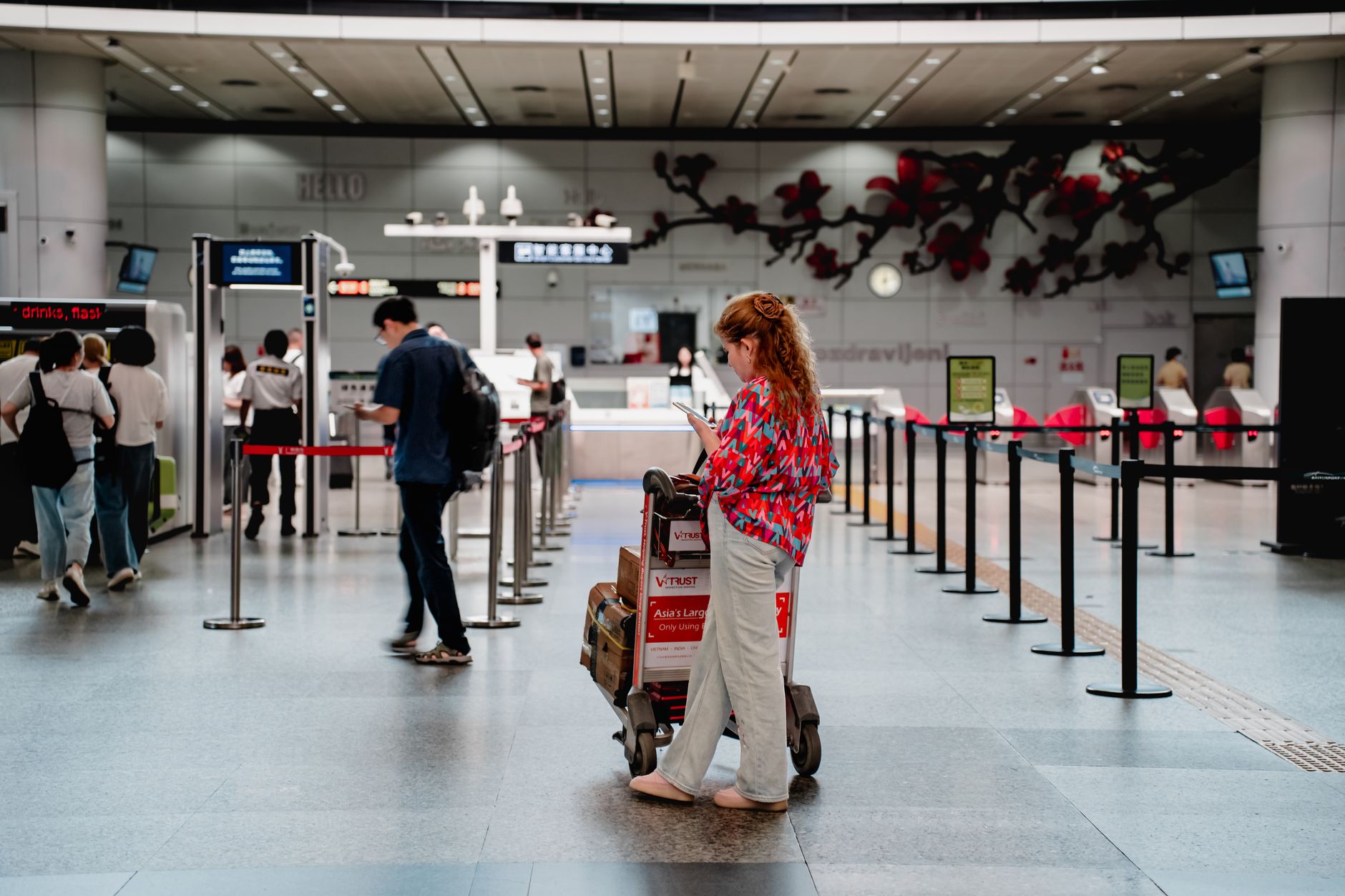
Bringing your own rifle to Spain requires a temporary import permit issued by the Spanish Guardia Civil, coordinated before departure through your outfitter or a licensed Spanish firearms agent. The process is straightforward when the paperwork is prepared in advance, but it cannot be left to the last week. Most hunters travelling from the United States or other non-EU countries complete it in four to six weeks without difficulty.
This guide covers the full permit sequence, what each document must say, how Spanish border control handles the inspection, and what your airline expects. It complements our broader overview of hunting logistics in Spain and is written for the travelling hunter and the US booking agent preparing a client's file alike.

Spain Firearm Import Permits: The Legal Framework
Spain is an EU member state and applies the EU Firearms Directive alongside its own domestic law, the Ley de Armas (Royal Decree 137/1993 and subsequent amendments). For a non-EU hunter, temporary import of a sporting firearm falls under a specific authorisation category: the guía de circulación temporal, commonly called the temporary circulation permit or hunting import permit.
This is not the same as a European Firearms Pass, which applies to EU residents moving between member states. North American, Latin American and other non-EU hunters need the dedicated non-resident authorisation described below.
Who Issues the Permit
The permit is issued by the Intervención Central de Armas y Explosivos, the firearms division of the Guardia Civil in Madrid. Applications are submitted through a licensed Spanish firearms dealer or, in practice, through your outfitter working in coordination with one. Huntex manages this for every client travelling with a personal firearm.
Documents You Need to Prepare at Home
Start assembling these before anything else. Spanish authorities will not begin processing without a complete file.
- Copy of your passport (biographical page, valid for the full duration of the hunt).
- Copy of your domestic firearms licence or permit. In the United States, this means the relevant state-issued licence where one is required. In jurisdictions without individual licences, a notarised statement of lawful ownership is typically accepted, though your outfitter should confirm the current requirement for your specific region of origin.
- Firearm details: make, model, calibre, action type and serial number, exactly as they appear on the rifle. Any discrepancy between the document and the physical firearm at the border causes delays.
- Proof of hunting reservation in Spain: a formal letter from your Spanish outfitter on company letterhead, confirming the dates, the hunting area and the species. This is a required supporting document, not a formality.
- Declaration of the number of cartridges you intend to import. Spain sets a limit, generally up to 200 rounds for personal sporting use, though your outfitter should verify the current figure at the time of application.
The Application Timeline
Allow a minimum of four weeks before departure, and six weeks if your travel falls in August or around national holidays when processing slows. The sequence runs as follows.
- Week one: Send your outfitter a complete scanned copy of every document listed above. The file is forwarded to the licensed firearms intermediary in Spain.
- Weeks two and three: The application is submitted to the Guardia Civil firearms division. Processing time varies; your outfitter will monitor progress.
- Week three or four: The permit arrives as a PDF. Print several copies: one for the airline check-in desk, one for border control on arrival, and one to carry during the hunt.
The permit specifies the firearm by serial number, the permitted entry and exit points, the validity dates and the maximum ammunition quantity. Check every field against your documents the moment you receive it.
At the Airport: Airline Procedures and Declared Firearms
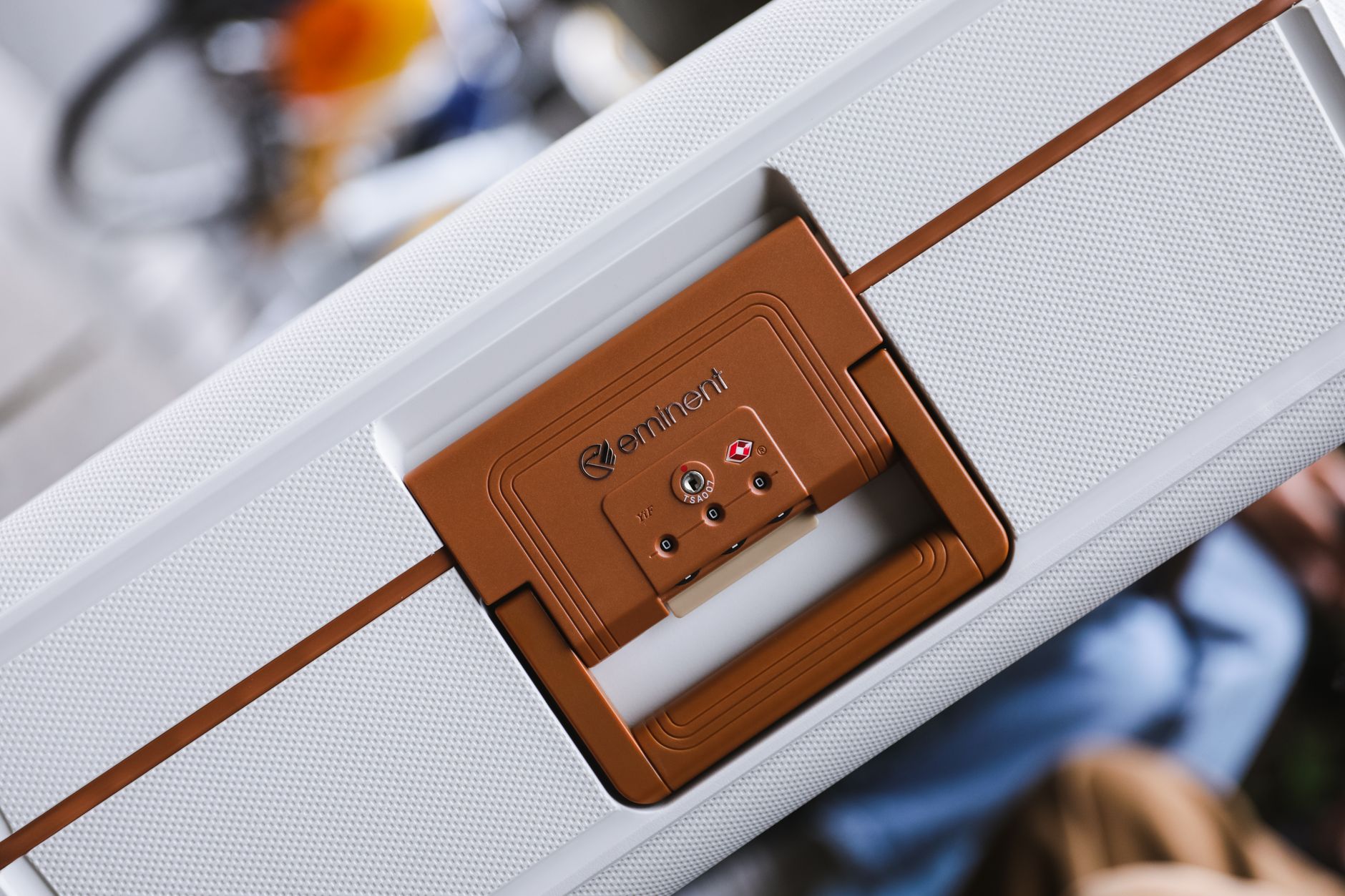
Regardless of carrier, a firearm must travel as checked baggage in a hard-sided, locked case. The TSA in the United States and equivalent authorities elsewhere require it to be unloaded, with ammunition stored separately in its original factory box or a purpose-made container.
- Declare the firearm at the check-in desk before proceeding to security. Do not attempt to check it at a kiosk.
- Airlines vary considerably in their case requirements, weight allowances and surcharges. Confirm the policy directly with your carrier well in advance, as policies change and exceptions are not negotiated at the desk.
- Carry the Spanish temporary import permit, your domestic licence copy and the firearm's original purchase documentation in your carry-on luggage, not in the checked case. If the case is delayed, you can still demonstrate to Spanish authorities what you are importing.
- Certain calibres are restricted for civilian import into Spain regardless of the permit. Semi-automatic rifles and calibres classified as military under Spanish law require separate and considerably more complex authorisation. For the species hunted in Spain, a bolt-action rifle in a standard hunting calibre is the practical choice. Your outfitter can advise on any calibre-specific question before you commit to a cartridge.
Arrival in Spain: Border Inspection
Most hunters travelling to Spain for driven hunts, ibex stalks or red stag rut arrive through Madrid Barajas or Barcelona El Prat. Both airports have a Guardia Civil firearms post in the arrivals baggage hall, adjacent to the oversized collection point where declared firearm cases are released.
Present your permit, passport and firearm case to the officer. The serial number will be checked against the permit and the case contents may be inspected. The process is routine and typically takes fifteen to twenty minutes when the paperwork is in order. The permit is stamped and you are cleared to proceed.
Keep the stamped permit with you throughout the hunt. It will be checked again on departure. If you exit through a different airport than the one listed on the permit, tell your outfitter in advance so the correct exit point can be reflected in the document.
Departure and Permit Closure
On departure, re-declare the firearm at check-in exactly as you did on arrival. Guardia Civil at the departure airport will verify the permit and mark it closed. Retain a copy for your records. Hunters who travel regularly with firearms find it useful to keep a personal log of each import authorisation for reference in future applications.
Alternatives: Using an Outfitter's Rifle
If the permit process feels like too much to manage for a first trip, or if your itinerary spans multiple countries, using a rifle provided by Huntex is entirely practical. We maintain a selection of calibre-appropriate bolt-action rifles for mountain game, big game and driven scenarios. For hunters pursuing the Spanish Ibex Grand Slam, the Pyrenean chamois or red stag during the rut, a well-maintained house rifle zeroed for local conditions removes the logistics entirely.
That said, many hunters prefer the confidence of their own firearm, particularly for precision mountain shots. Both approaches are fully supported.
If you are ready to plan a hunt and want to travel with your own rifle, share your intended dates, target species and country of origin with us. We will confirm current availability and open the permit coordination as soon as the reservation is in place.