
Planning a Gold Medal Red Stag Hunt in Spain
A gold medal Iberian red stag is one of the most coveted CIC trophies in Europe. This guide explains what qualifies, when to go and how to plan the hunt.
A gold medal Iberian red stag, measured under CIC standards, is one of the most respected trophies a European hunt can produce. The Iberian red deer (Cervus elaphus hispanicus) is a recognised subspecies, and Spanish stags are usually judged against medal thresholds that reflect their lighter frame rather than against Central European heads. For hunters pursuing the best, the question is not simply whether to hunt red stag in Spain, but how to find the right ground, the right timing and the right guide to put you in front of a mature medal animal. That planning is what this guide addresses.
What Makes a Gold Medal Iberian Red Stag
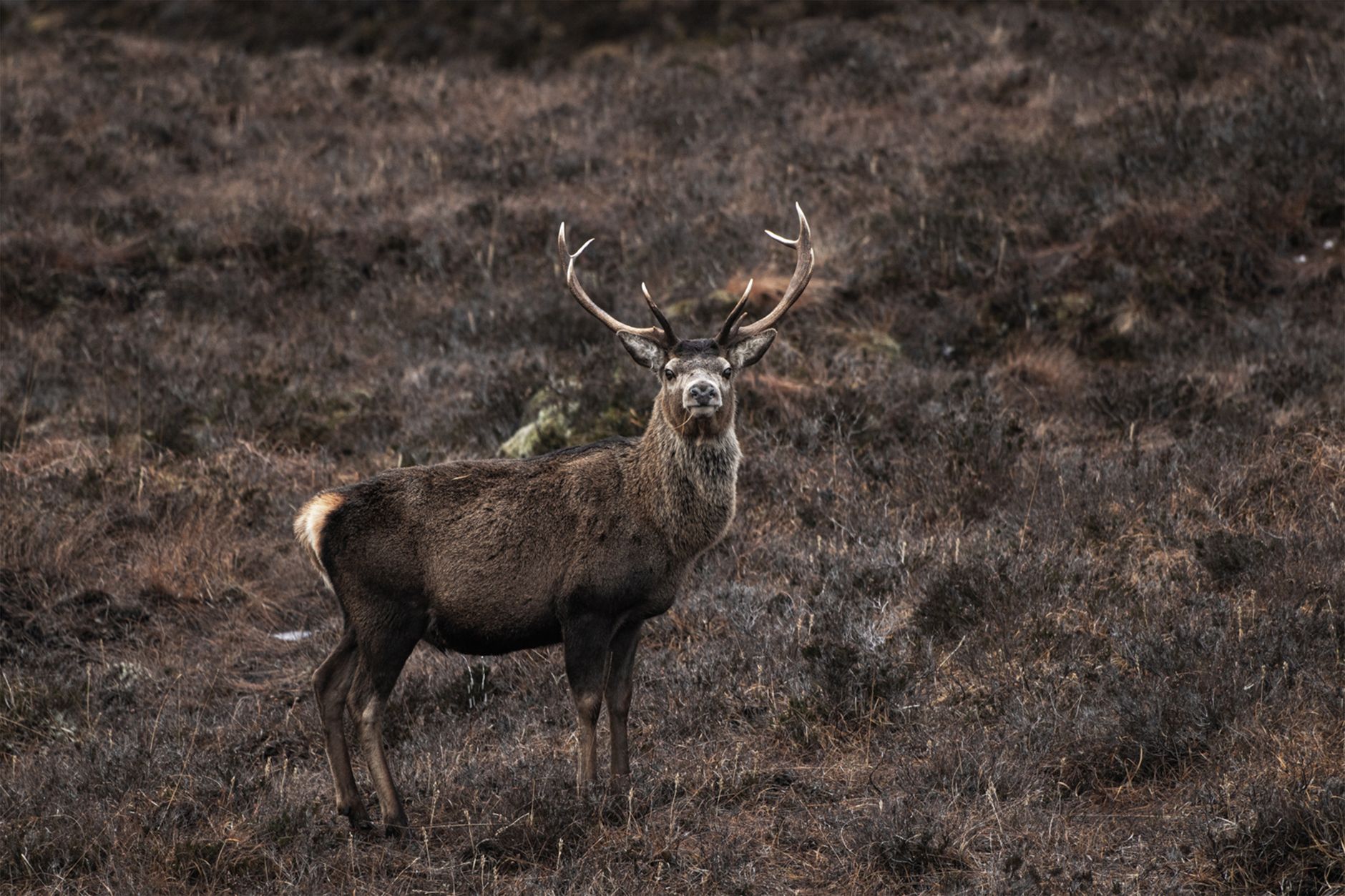
CIC gold is reached by crossing a specific point threshold under a formula that weights antler length, mass, spread and tine count, then applies deductions for asymmetry. Because the Iberian subspecies carries a naturally different antler structure from Central European red deer, it should not be judged by Central European expectations. The practical implication: a stag that would be modest by Carpathian standards can be an outstanding Iberian trophy, and vice versa. Hunters who arrive expecting a Central European frame are sometimes surprised, in both directions, by what the peninsula produces.
Antler development in any individual stag depends on age, genetics and the quality of the ground. Well-managed estates operating under regional quota systems, where mature stags are left until they peak, consistently produce the heaviest and most complex heads. This is why the choice of estate matters as much as the choice of month.
The Rut: Why September and October Define the Season
The red stag rut, known in Spanish as the berrea, runs from mid-September through October. This is the premium window for a medal hunt. Dominant stags are vocal, mobile and concentrated near hinds, which makes location and assessment far more practical than at any other point in the season. A hunter and guide can glass a valley at dawn, identify a mature animal by its roar before they ever see its antlers, and plan a stalk based on wind, terrain and the stag's pattern across the morning.
The atmosphere of the berrea is also something experienced hunters consistently describe as unlike any other hunt in Europe. The deep, resonant bellow of a large stag carrying across a Spanish valley in the early morning cold is genuinely difficult to prepare for. It is both a practical locating tool and one of the defining moments of a rut hunt.
Outside the rut, red stag can be hunted earlier in the season or as part of a driven montería, but trophy assessment is harder when stags are silent and scattered. Finding a medal animal demands more time on the ground and more patience from both hunter and guide.
Where in Spain to Find Gold Medal Ground
The Iberian red stag ranges widely across Spain, but not all ground produces medal animals consistently. The best estates tend to share certain characteristics: large open-range estates with minimal disturbance (all Huntex hunting is open range, with no high fences), a management history that has allowed the best stags to reach eight years or older, and terrain that naturally concentrates deer during the rut. Regions with strong traditions of selective stag management, particularly Extremadura, Castilla-La Mancha and parts of Andalusia, have produced notable trophies over many seasons.
What a hunter should ask an outfitter before anything else is not which region but which specific grounds, and what the management history of those grounds looks like. The shape of the landscape matters too. Open dehesa with holm oak and cork oak produces different stalking conditions from dense scrub or cork forest, and a hunter should understand what kind of ground they are preparing for before they arrive.
Planning the Days: How Long Does a Medal Hunt Take
A red stag rut hunt aimed at a medal animal needs enough days to be selective. During the berrea, stalking happens in the first hours after dawn and again in the late afternoon, with the middle of the day generally quiet. A hunter who needs three or four quality mornings to find and properly assess the right stag, and then one clean opportunity, should plan accordingly rather than arriving for two nights and hoping for immediate results.
Combining the red stag rut with another species is a sensible approach for hunters travelling from the United States or Mexico who want to make the most of a single trip. The ibex and red stag rut programme is one structured option, since the Gredos ibex season opens in September and the terrain, while different, is not incompatible with a rut hunt in the same general region. The logistics of such combinations are worth discussing with the outfitter at the planning stage rather than working out on arrival.
Trophy Handling, Scoring and Export
Red deer are not CITES-listed, which simplifies export considerably compared to species such as the aoudad. After the hunt, the trophy goes through in-field preparation and then cleaning and drying before shipment. Hunters returning to the United States will need a US Fish and Wildlife Service import declaration; those returning to Mexico will need to satisfy Mexican import requirements. For confirmed current requirements, see the key facts page or raise them directly with the outfitter at the proposal stage.
CIC scoring can be arranged through the outfitter after the hunt if the hunter wants an official measurement for record submission. The measurement is taken on a dried trophy after the required drying period, and that result determines the medal level. A stag that looked exceptional in the field can score slightly differently once formally measured, which is worth understanding before the hunt rather than after.
Questions Hunters Ask About Red Stag in Spain
When exactly is the red stag rut in Spain?
The berrea generally runs from mid-September through October, with peak roaring activity varying by elevation and region each year. Exact dates shift with conditions and should be confirmed with the outfitter for the current season.
Is a gold medal Iberian red stag the same threshold as a Central European red stag?
No. The Iberian red deer is a recognised subspecies with a lighter antler frame, so the two are not directly comparable. A hunter should ask the outfitter which table applies to the specific estate.
Do I need a CITES permit to export a red stag from Spain?
Red deer are not CITES-listed, so no CITES export permit is required. Standard trophy export documentation still applies, and import requirements for the United States and Mexico should be confirmed for the current season.
Can I combine a red stag rut hunt with another species on the same trip?
Yes, combinations are common. The berrea overlaps with open seasons for several ibex subspecies and other mountain game, making a combined trip practical. Huntex can propose a bespoke itinerary based on your dates and target species.
Starting the Conversation
A gold medal red stag hunt rewards preparation. The right estate, the right window inside the rut and enough days to be genuinely selective are the three variables that matter most. Everything else, from lodging to logistics, follows once those foundations are in place. Huntex works directly with hunters and their agents to build a proposal around confirmed grounds and the right timing, not a generic itinerary.
If you have dates in mind and the red stag rut is your priority, or one of several, share your window and any other species you are considering. We will come back to you with what is available and what a realistic programme looks like. Use the contact page to start the conversation.