
Hunting Insurance and Licenses by Region in Spain
Hunting licenses and mandatory insurance in Spain are issued at the regional level, not federally. Here is what that means in practice for international hunters planning a trip.
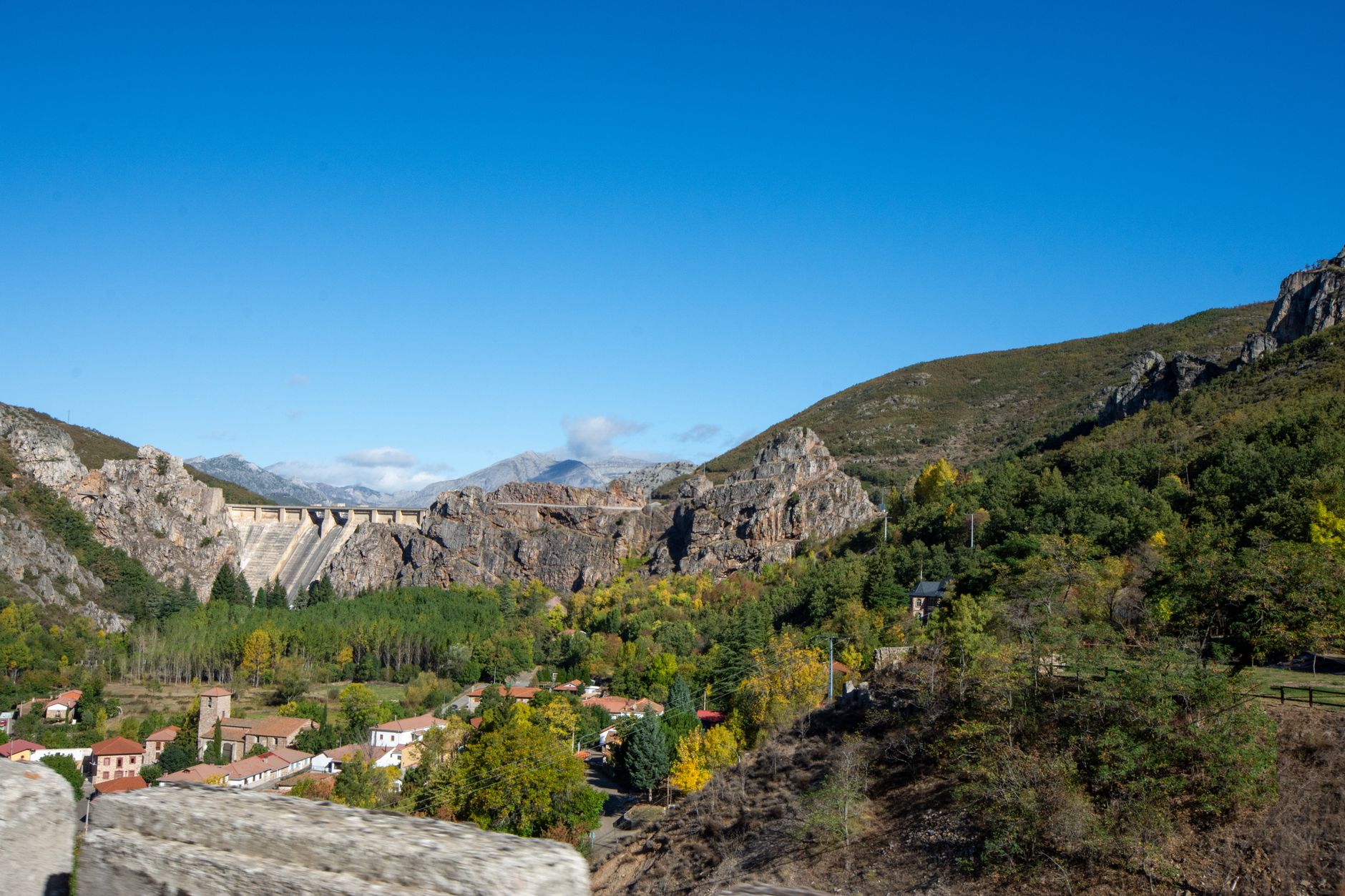
Hunting in Spain is regulated at the level of each autonomous community, not by a single national authority. Your hunting license, mandatory civil liability insurance, and the rules governing seasons and permitted methods are all determined by the region where you will actually hunt, not by Madrid. For an international visitor, understanding this framework before you arrive is the most practical step you can take toward a smooth, fully compliant trip.
This guide does not repeat the general season calendar or species overview covered elsewhere on this blog. It focuses on the administrative layer that sits underneath the hunt itself: who issues what, what documents you must carry in the field, and where regional differences matter most for a foreign hunter.
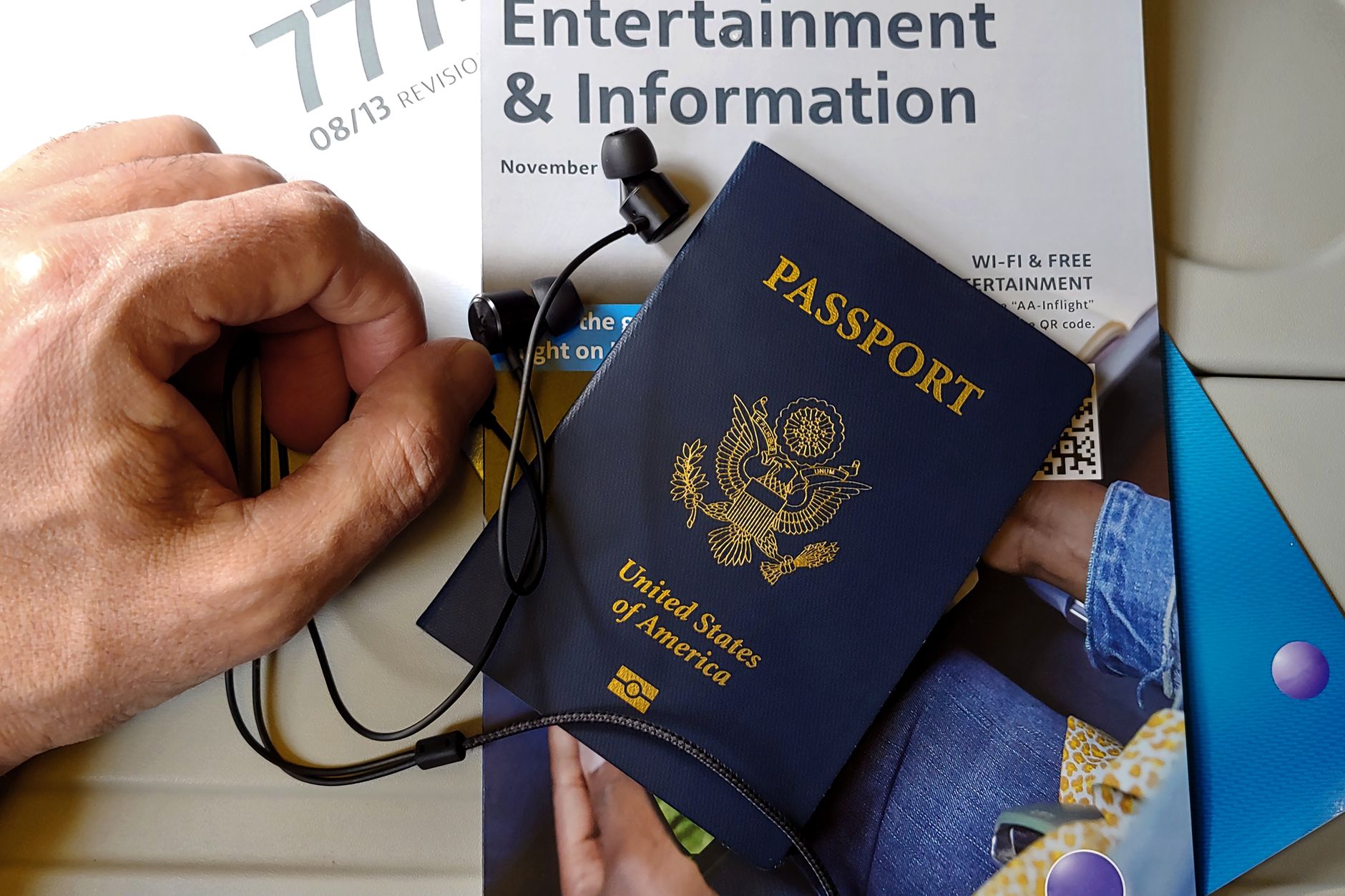
Why Hunting Licenses in Spain Are a Regional Matter
Spain's constitution grants its seventeen autonomous communities broad authority over hunting, which is classified as a transferred competency. Each community has enacted its own hunting law, and some have updated those laws more recently than others. In practice, a license issued in Castilla y León does not authorise you to hunt in Extremadura, and the documents required in Andalusia may differ from those required in Aragón.
There is no pan-Spanish hunting license covering the whole territory. Every visiting hunter needs a license valid for the specific community where the grounds are located. If a trip spans more than one region, as a Spanish Ibex Grand Slam typically does, a separate license is required for each.
How the License Is Obtained in Practice
Most autonomous communities issue the temporary or non-resident hunting license through their environment or agriculture department, sometimes delegated to the regional hunting federation. The application generally requires proof of identity, proof of a valid hunting license from your country of origin (or evidence of hunting competency, depending on the region), and confirmation of the mandatory civil liability insurance.
The documentation checklist, the fee and the processing channel vary by community and can change between seasons. Your outfitter is the most reliable source for current requirements in the specific region where you will hunt, and arranging licenses is part of what Huntex handles as a matter of course for every booking.
Mandatory Civil Liability Insurance: Shape of the Requirement
Every hunter in Spain, resident or visitor, must carry civil liability insurance while hunting. This is not optional, and it is not covered by standard travel insurance or homeowner policies in most cases. The insurance must meet a minimum coverage threshold set by the relevant autonomous community, and that threshold is not uniform across all seventeen regions.
Some communities accept a policy obtained through the national or regional hunting federation. Others accept policies from licensed private insurers, provided the coverage level is sufficient. A policy that is perfectly valid in one region may fall short of the minimum required in another. That is one reason why arranging insurance through your outfitter, who knows the region, is generally safer than arriving with a policy sourced independently.
What the Insurance Typically Covers
Civil liability hunting insurance covers damage or injury caused to third parties during a hunt, including property damage and bodily injury to other people in the field or adjacent areas. It does not substitute for travel health insurance, medical evacuation cover or personal accident insurance, all of which a visiting hunter would be wise to carry separately. Whether those additional policies suit your circumstances is worth raising directly with your insurer before departure.
Regional Differences That Matter Most to Foreign Hunters
While the underlying framework is broadly similar across communities, several regional differences carry real practical weight for an international hunter.
- Castilla y León and Castilla-La Mancha. These two communities cover a large share of Spain's big game and driven hunt territory, including much of the red stag and wild boar range. Both have well-established non-resident license processes, though the paperwork routes differ between them.
- Andalusia. Home to Ronda ibex and a significant share of montería country, Andalusia has its own hunting law and its own insurance minimums. The region is also relevant for mouflon and aoudad hunters in certain areas.
- Aragón and Catalonia. These communities cover Pyrenean chamois habitat. Both operate their own quota systems for chamois, and the license process reflects the species-specific management applied in mountain terrain.
- Valencia and Murcia. Southeastern ibex country, where the relevant environment departments manage ibex quotas carefully. License documentation requirements can include species-specific endorsements.
- Extremadura. A significant red deer and wild boar region with its own hunting statute. Driven hunts here operate under Extremaduran rules, which differ in some procedural details from those in the Castillas.
Firearm Permissions and How They Relate to the License
A hunting license does not by itself authorise a foreign hunter to carry a firearm in Spain. Temporarily importing or renting a rifle involves a separate administrative track running through Spanish customs and, in some cases, the Civil Guard. The license and the firearm permission are parallel documents that must both be in order before you enter the field. A detailed account of that process appears in the companion guide on flying to Spain with your rifle. What matters here is that the two tracks must be coordinated, and that the region where you hunt can affect which version of the process applies.
What You Are Expected to Carry in the Field
As a general rule, a hunter in Spain should have on their person at all times while hunting: the regional hunting license, proof of valid civil liability insurance, personal identification (passport for foreign nationals) and, if carrying their own firearm, the relevant firearm documentation. The gamekeeper or regional warden (guarda de caza) has authority to request these documents at any time, and an incomplete set can result in serious legal consequences regardless of whether the hunt itself is properly authorised.
Your outfitter will confirm the precise document set required in the specific region for the current season. It is worth asking for a written checklist before departure so you can verify nothing is missing when you pack.
How a Bespoke Outfitter Handles the Administrative Layer
Navigating seventeen different regulatory systems is not something most visiting hunters want to manage independently, nor should they have to. When you book through Huntex, arranging the regional license, confirming the insurance standard and coordinating the firearm paperwork for your specific destination is part of the bespoke proposal. The process is handled through a direct conversation covering your target species, the region, your country of origin and the dates, because all of those variables affect which documents are needed and how they are obtained.
If a multi-region itinerary is on the table, such as a Grand Slam across several subspecies ranges, the administrative coordination across communities is part of what the planning conversation addresses. You can read more about how the overall booking process works on the USA hunters page or the contact page.
If you are ready to start planning, share your preferred dates and the species or regions you have in mind. That is all it takes to open a conversation about confirmed availability and a proposal tailored to your itinerary.