
Monteria in Spain for Mexican Hunters: Mexico City to the Estate
A monteria in Spain is within comfortable reach from Mexico City. This guide walks Mexican hunters through every practical step, from documents and firearms to the drive through Andalusia.
A monteria in Spain is one of the most accessible driven big-game experiences available to a Mexican hunter. Direct or one-stop flights from Mexico City connect to Madrid in roughly ten to thirteen hours, the documentary process for Mexican nationals follows a clear and manageable sequence, and the season runs through autumn and winter when the estates of Andalusia, Extremadura and Castilla-La Mancha are at their most dramatic. What follows is a practical guide from your front door to the first morning on the estate.
Why Mexican Hunters Choose the Monteria
The monteria is a collective driven hunt. A line of beaters and hounds moves through dense Mediterranean scrub while hunters wait at fixed posts called puestos. Red deer, wild boar, fallow deer and mouflon can all present themselves during a single drive. For the Mexican hunter already familiar with group hunting culture, the format feels immediately legible, even though the landscape and species are entirely different. A fuller account of the day's choreography is in our guide on wild boar driven hunts, and the Spanish terminology is explained in the hunting glossary.
Flights and First Night: Mexico City to Madrid
Aeropuerto Internacional Benito Juárez connects to Madrid Barajas on direct and one-stop services with Iberia and Aeromexico, among others. The time difference between Mexico City and Spain is typically seven hours, so most eastbound arrivals land in the morning with enough of the afternoon to settle before the outfitter's programme begins. A first night in Madrid is worth building into the itinerary: it absorbs the jet lag, allows the outfitter to collect documents, and puts you an easy two to four hours from most monteria estates in central and southern Spain. For hunts in the south, flights into Seville or Malaga are also available via Madrid.
Documents Mexican Hunters Need for Spain
Spanish hunting licences are issued at the regional level, so the licence valid for a monteria in Andalusia differs from one in Extremadura. Mexican nationals need a regional hunting licence for whichever region the hunt takes place in, along with civil liability insurance, which the outfitter typically arranges as part of the booking. Confirm with your outfitter which region applies to your specific monteria and what documentation must come from your side before departure. Regional regulations are updated periodically, so nothing should be assumed to carry over from one season to the next.
Mexican citizens travelling to Spain for short sporting visits fall under the Schengen visa framework. Whether a visa is required depends on your passport and travel history, and that determination must be confirmed with the Spanish consulate in Mexico City well in advance, as processing times vary.
Bringing a Rifle from Mexico to Spain
Travelling with your own firearm involves two distinct regulatory steps: Mexican export authorisation for the weapon and Spanish temporary import permission, both of which must be in order before the rifle leaves Mexico. Our guide on flying to Spain with your rifle covers this in more detail, but the essential point is that the outfitter can advise on the Spanish side of the paperwork and coordinate with you on the non-resident licence required to use a specific firearm on the estate.
Many Mexican hunters find it simpler to travel without a firearm and use estate equipment instead. Rifle rental removes both the Mexican export step and the Spanish import step, and estate rifles are already zeroed for the terrain. It is worth raising this early in the planning process, as availability depends on the hunt and the season.
CITES and Trophy Documentation for Mexico
Red deer, fallow deer and wild boar taken in a monteria do not require CITES permits for export from Spain or import into Mexico. Mouflon is listed under CITES Appendix III in some contexts, and species status and import rules can change, so the documentation required for the trophies you intend to bring home must be confirmed with the outfitter and with SEMARNAT, Mexico's environmental authority, before the hunt. The outfitter handles in-field trophy preparation and Spanish export paperwork; Mexican import compliance sits with the hunter and their taxidermist or shipper on the receiving end. Our guide on taxidermy in Spain explains what happens between the field and the shipping crate.
The Estate: What to Expect on Arrival
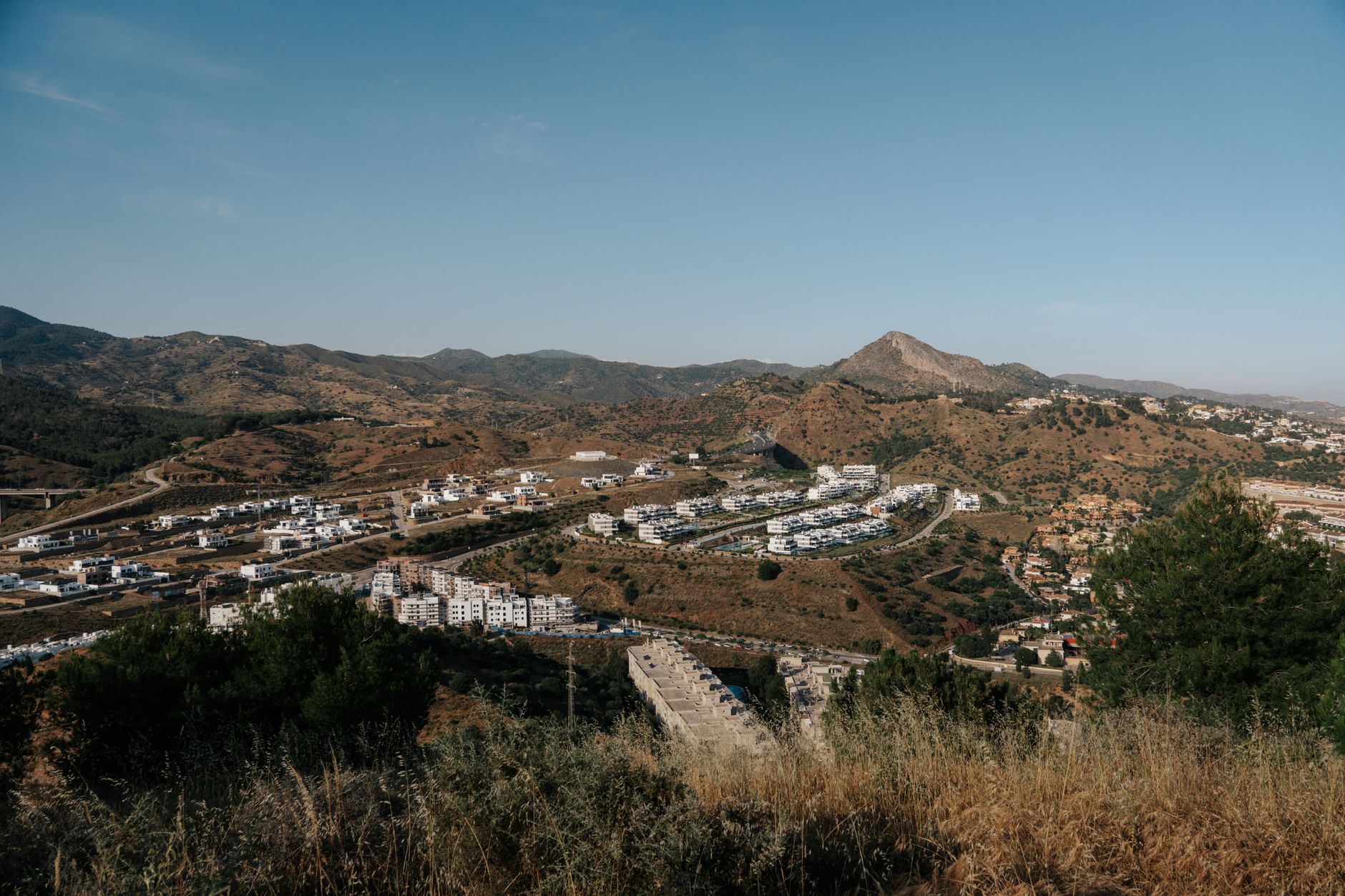
Most monteria estates in Extremadura, Andalusia and Castilla-La Mancha are working agricultural or forestry properties. Lodging ranges from restored manor houses (cortijos in Andalusia, fincas in Extremadura) to smaller hunting lodges on the property itself. Meals are served communally, the main one a substantial midday spread shared by all hunters after the morning drives. The atmosphere is social and unhurried; in the Spanish tradition, the conversation at the table is as much a part of the experience as the morning in the field.
The day begins well before dawn. The outfitter and estate manager assign puestos by draw or by arrangement, and hunters are driven to their positions before the hounds are released. Depending on the size of the estate and the number of drives planned, the morning runs for three to five hours. Evenings are free, and the outfitter can often arrange activities for companions who are not hunting, from visits to nearby towns to winery or olive oil estate tours. If you are travelling with a partner who does not hunt, the companion programme is worth discussing at the consultation stage.
The Role of Your Outfitter on the Day
On a bespoke monteria arranged through Huntex, the outfitter is present as your host and point of contact throughout, not simply as an intermediary. That means coordination with the estate's own guarda mayor (head gamekeeper), translation where needed, and trophy paperwork handled from the first morning. Mexican hunters sometimes ask whether communication on a Spanish estate will be straightforward: Castilian and Mexican Spanish share the same grammar, and while regional vocabulary differs in minor ways, there is nothing on the estate that will slow you down.
If you are a US-based booking agent sending Mexican clients to Spain, the same consultation process applies. The proposal will address country of origin, the firearm question and the trophy documentation path to Mexico from the outset, so there are no surprises at the airport on the way home.
When you are ready to plan, share your preferred dates and the species you have in mind and we will come back to you with confirmed availability and a proposal for the whole journey.