
Bringing a Non-Hunting Companion to Spain: What They Do
A hunting trip to Spain can be a genuine shared journey. Here is what non-hunting companions actually do while the hunter is in the field.
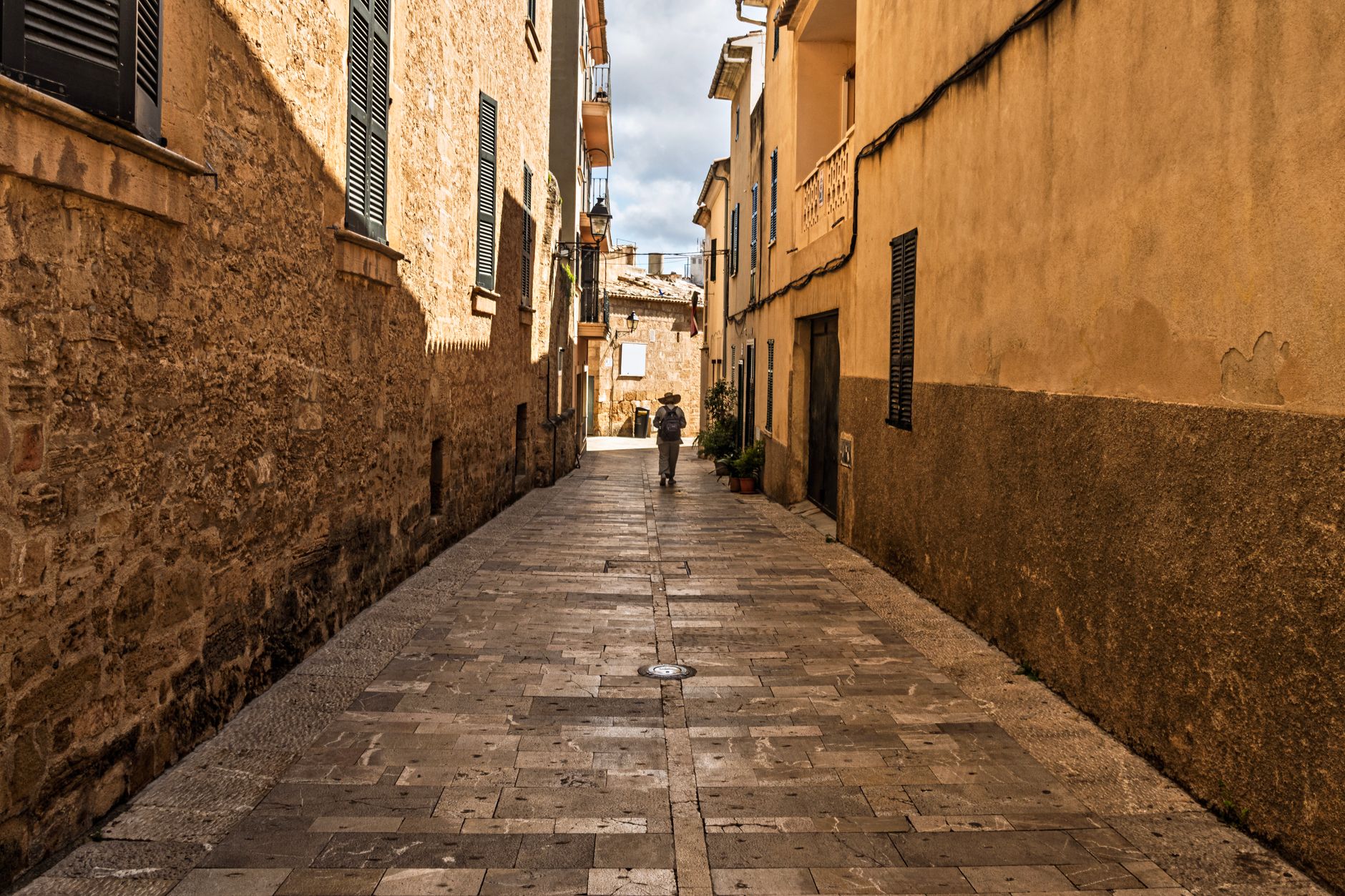
A non-hunting companion on a Spanish hunt is rarely left waiting at the lodge. Spain is one of the few countries where the hunting grounds and the cultural landscape sit close enough together that a partner, friend or family member who does not hunt can fill the days with things worth talking about long after you are both home. The key is planning the companion programme alongside the hunt itself, not as an afterthought.
Huntex builds a proposal that covers both sides of the trip: the hunter's grounds, season window and logistics, and a companion programme tailored to whoever is travelling with them. The two programmes are designed to meet at the lodge, at mealtimes and on any shared travel days.
What Non-Hunting Companions Actually Do in Spain
Spain offers a good deal more than scenery. Art, architecture, food, wine and open countryside are all within reach, though what is available on any given day depends on the region and the time of year. That is precisely why a companion programme works best when it is planned with the same care as the hunt.
Culture and Heritage Within Reach of the Hunting Grounds
Many of the regions where Huntex operates are within comfortable driving distance of cities and towns with genuine historical weight. Castile and Leon, Extremadura, Andalusia and Aragon each have their own character, and a companion can spend a day in a medieval city, a Moorish quarter or a Roman site without a long transfer. The lodge serves as a natural base, and day excursions fall easily into the rhythm of the trip. Which sites are realistic depends on the specific grounds, so it is worth raising this in the initial consultation to keep expectations clear on both sides.
Food and Wine as a Day in Themselves
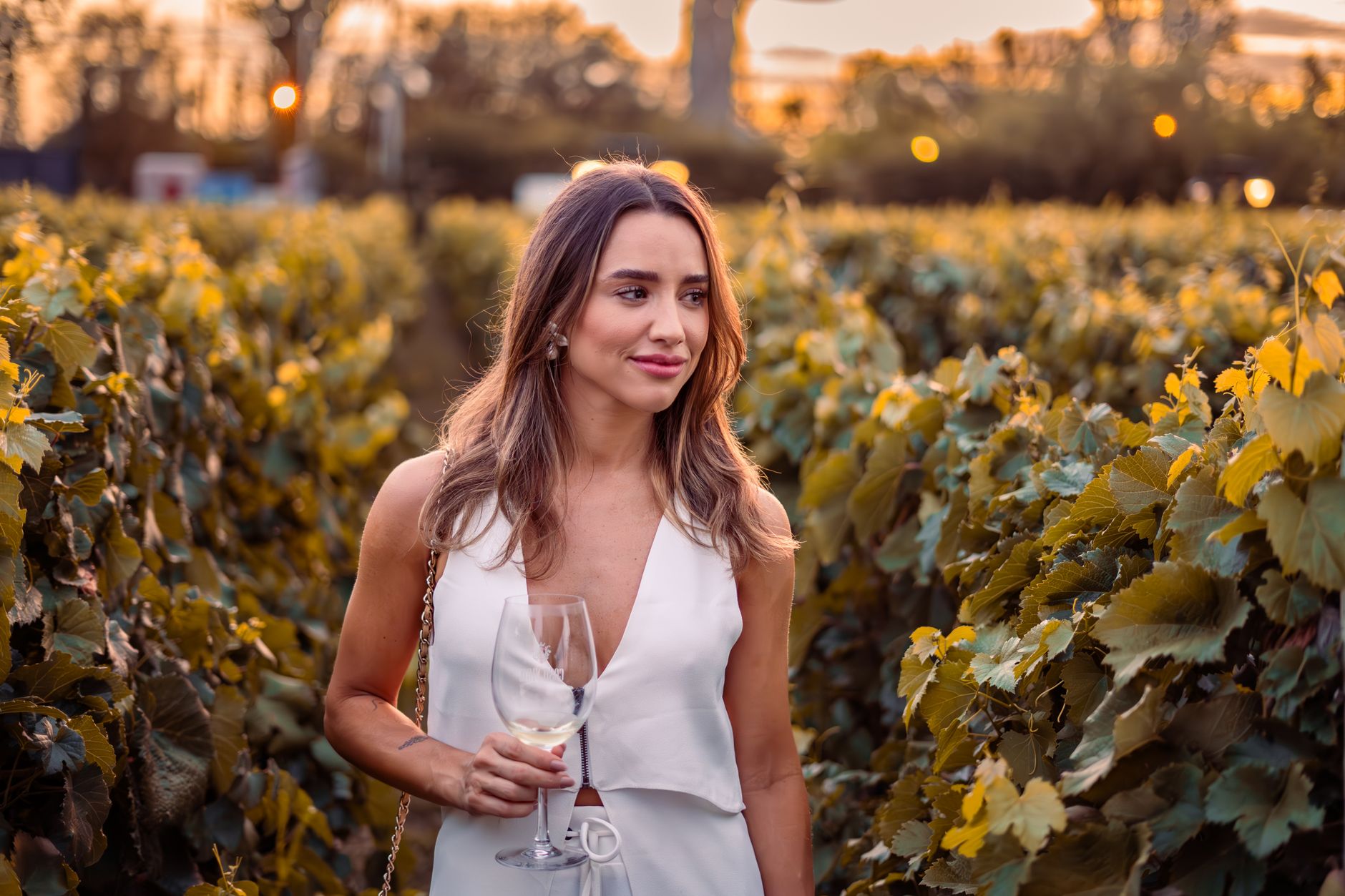
Spanish gastronomy is not a background detail. In La Rioja, the Ribera del Duero, Jerez or the wine villages of Castile, a day built around a bodega visit, a tasting with a producer and a long lunch is a full programme in itself. Game-producing regions tend to overlap with areas of strong culinary tradition: cured meats, aged cheeses, wild mushrooms in autumn, fresh river fish in the mountains. A companion who enjoys food and wine will find plenty of reasons to leave the lodge, and the lodge dinner itself is often a shared highlight of the day.
Walking, Riding and the Countryside
The same landscapes that make Spain's hunting exceptional are worth exploring in their own right. Dehesa woodland, high sierra trails, river valleys and semi-arid scrubland each have a different character on foot, on horseback or from a vehicle. Whether a companion prefers a guided walk, a jeep excursion or a morning ride through the estate, the countryside itself is the draw. What is available from a particular lodge is worth asking at the planning stage, since estates vary in what they offer outside the hunting programme.
Spas, Golf and Private Lodge Time
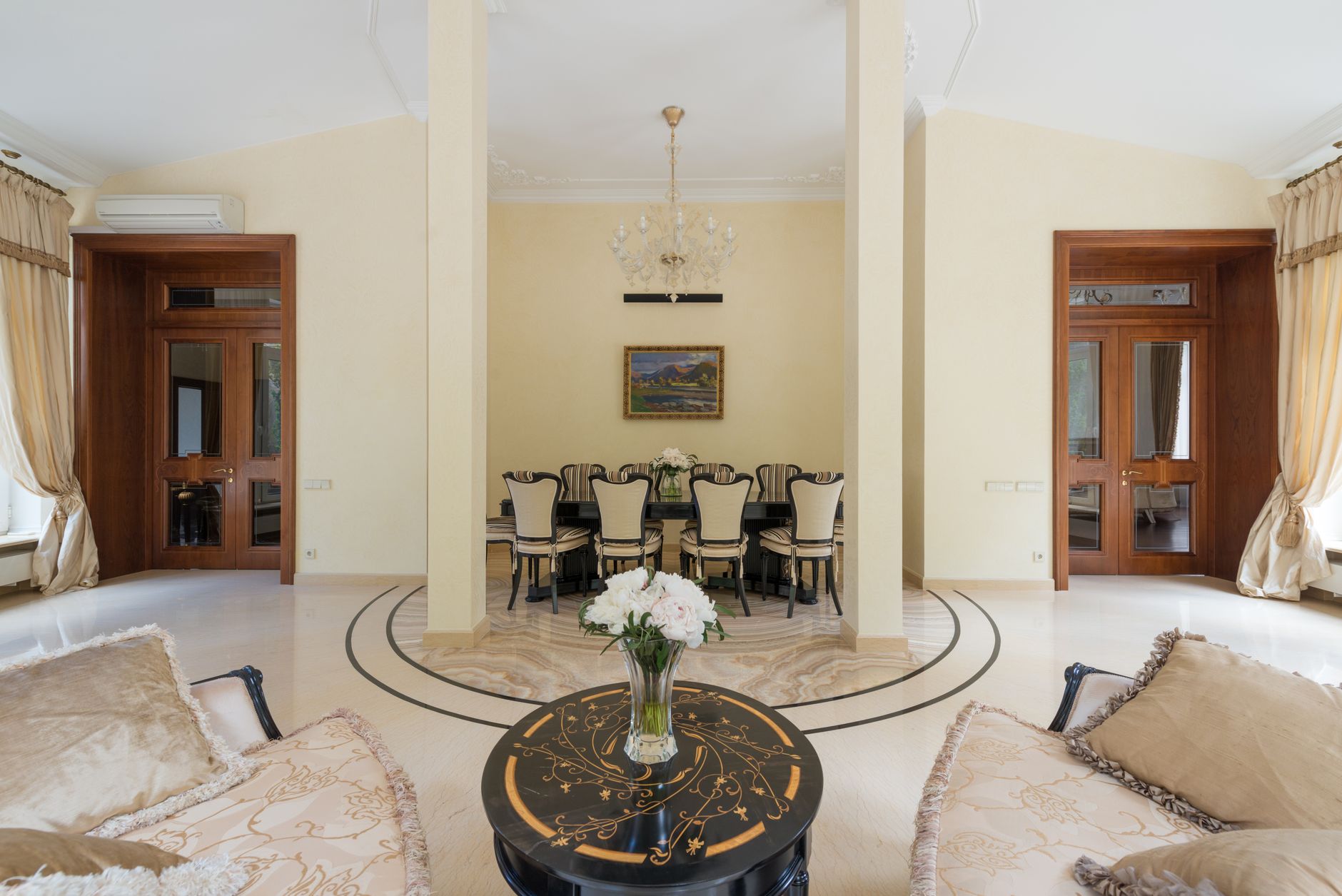
Some companions prefer a quieter pace. Many of the properties used for hunting stays in Spain combine working estates with well-appointed accommodation, and a day spent reading, walking the grounds, swimming or using a spa is entirely reasonable. If golf matters, flag it early: proximity to a course varies by lodge, and this is exactly the kind of preference that shapes which property is proposed.
How the Companion Programme Fits Around the Hunt
Mornings and Evenings Together
Hunting days in Spain are structured around dawn and, for certain species, the last hours of light. Much of the middle of the day is often shared. Lunch at the lodge or at a local restaurant becomes a natural meeting point, and evening meals, which in Spain tend to be late and unhurried, become the social centre of the day. The rhythm suits mixed-interest travel well.
Travel Days as Companion Days
A hunt for multiple species, or a trip built around a Grand Slam itinerary across different regions, involves travel between grounds. Those days are often the best opportunity for a companion to see a new city, stop somewhere they have chosen or simply take in a change of landscape. With good planning, the route between two hunting areas can pass through somewhere worth the detour.
Joining the Hunt as an Observer
A companion who is curious about the hunt itself is often welcome to observe, particularly on a red stag rut or a monteria, where the social and landscape dimension is as strong as the hunting. A driven hunt has a large cast of people and a territory that a companion can appreciate without taking part. Whether this is possible on any given day is a practical question for the outfitter, since it depends on the type of hunt, the estate rules and the local permit conditions.
Planning the Companion Programme: What to Think About in Advance
- Interests and pace: A companion who wants museums and restaurants needs a different plan from one who wants to ride or walk every morning. Being specific in the initial consultation helps shape both the lodge choice and the daily programme.
- Shared priorities: If certain experiences matter to both the hunter and companion, a particular restaurant, a specific city or a bodega visit, naming them early means they can be built in rather than squeezed around the hunt at the last moment.
- Physical comfort: Mountain lodges can be remote. If a companion is not comfortable with long drives on unpaved tracks, or prefers accommodation with particular amenities, this should come up before a property is proposed.
- Language: Spain is welcoming but not uniformly English-speaking outside the major cities. In rural hunting areas, a companion spending a day independently benefits from a few words of Spanish or a contact number for the local guide.
- The hunting season: The time of year shapes everything for the companion too. Autumn in Castile, spring in Andalusia and winter in the Pyrenees are very different travel experiences. The season calendar is the starting point for both programmes.
A Trip That Works for Everyone
The most successful hunting trips to Spain are the ones where the companion comes home genuinely glad they came, not because they tolerated the hunter's plans but because they had their own experience running alongside them. That does not happen by accident. It happens when both programmes are thought through from the start, with an outfitter who knows the grounds and the region around them equally well.
If you are planning a hunt and a companion is coming with you, tell us the dates, the target species and a little about what your companion enjoys most. We will put together a proposal that covers both.