
Rifle Rental in Spain: When It Makes More Sense Than Travelling Armed
Travelling with a rifle to Spain is legal but involves real logistics. For many hunters, renting a suitable rifle in Spain is simpler, faster and equally effective.
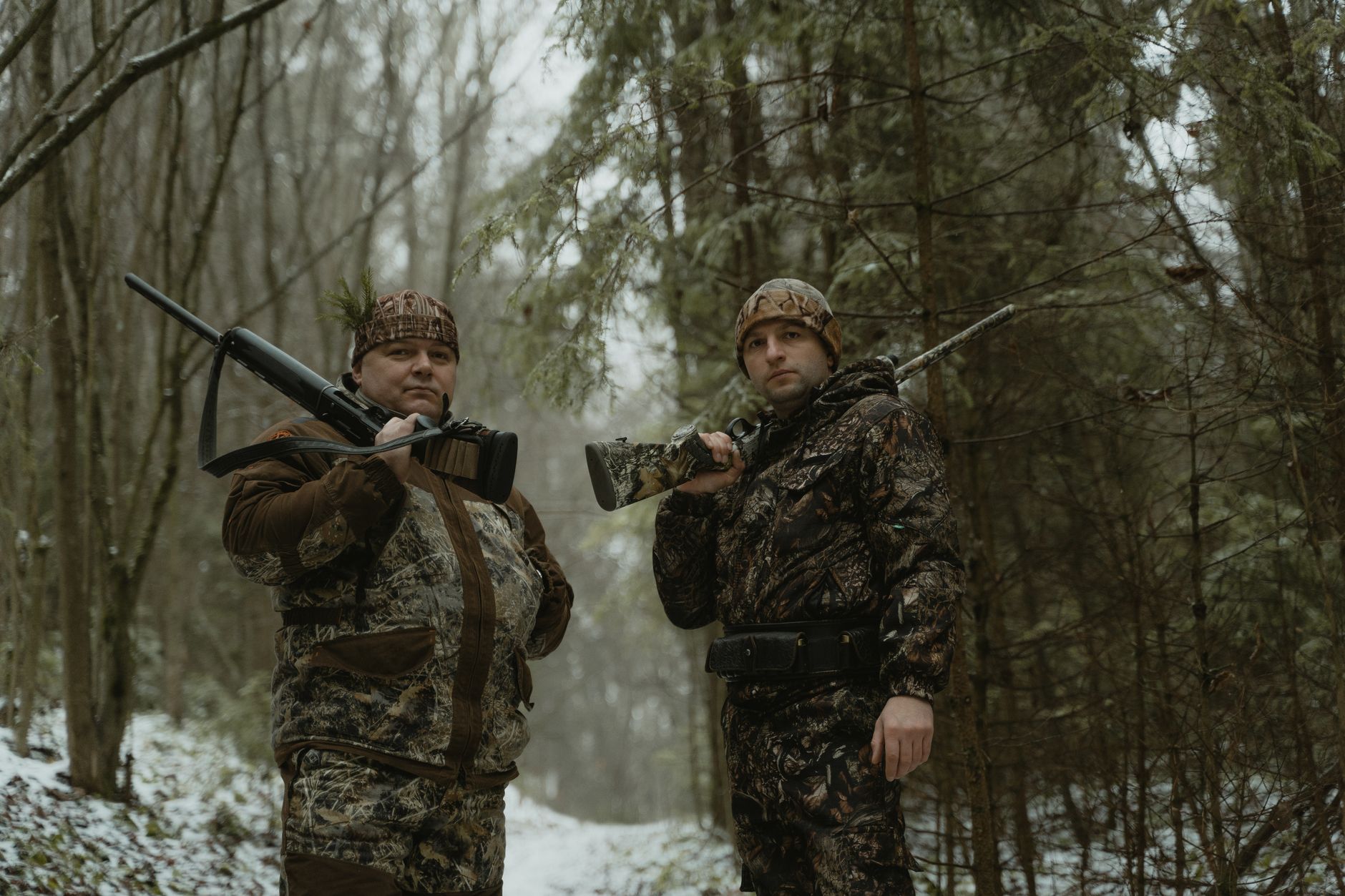
Rifle rental in Spain is a practical, well-established option for international hunters, and for certain trip profiles it is simply the more sensible choice. Whether the decision turns on airline policy, trip length, calibre suitability or the complexity of the temporary import process, the case for arriving without your own firearm deserves a clear look alongside the case for bringing one.
This guide does not argue that one approach is universally better. It maps the considerations so you can make the right call for your specific hunt, then discuss it directly with your outfitter before anything is booked.
What Rifle Rental in Spain Actually Involves
Renting a rifle for a hunt in Spain means using a firearm provided through licensed channels, matched to the quarry and terrain, and confirmed in advance with your outfitter. It is not a matter of picking something off a rack on the morning of the hunt. The right conversation happens during the planning stage, covering calibre, action type, optics and your familiarity with that particular setup.
Huntex arranges firearm rental as part of the bespoke proposal process. If you want to know what options are available for your target species and region, raise it in your first consultation, not as an afterthought.
The Temporary Import Route: What It Entails
Bringing your own rifle to Spain from the United States or Mexico is entirely legal, but it involves a defined administrative process. That process includes obtaining a European Firearms Pass or an equivalent temporary import authorisation, declaring the firearm at the point of entry into the Schengen Area, and ensuring the weapon is unloaded and correctly packed in checked baggage according to the carrier's rules.
The documents required, the authority that issues them, the processing lead time and any fees all depend on your country of departure, your airline, the port of entry and that season's regulations. None of those details should be treated as fixed without confirmation. The guide on flying to Spain with your rifle covers the procedural shape in more detail, and the article on licences, rifles and trophy shipping complements it. What matters here is that the process has real lead time and real moving parts.
When Renting Makes More Sense
Short trips with a single species target
If you are travelling for three or four days to pursue one Beceite ibex or a Pyrenean chamois, the administrative overhead of a temporary import can outweigh the comfort of your own rifle. A well-fitted rental, confirmed in advance, removes an entire layer of pre-trip logistics.
Combining the hunt with wider travel
Many hunters visiting Spain attach leisure days in Madrid, Seville or along the coast. Moving through multiple hotels, airports or train stations with a locked rifle case introduces complications that simply do not exist when you hunt and then travel freely. If your itinerary includes non-hunting legs, it is worth asking your outfitter whether a rental simplifies the overall trip.
Airline restrictions and connection routing
Not every routing from North America to Spain is straightforward for a declared firearm. Connections through certain hubs, tight layovers or carriers with restrictive baggage policies for firearms can turn a manageable process into a stressful one. If your preferred flights involve any of those factors, the rental option deserves serious consideration.
Calibre mismatch for the terrain
The guide on best rifle calibres for Spanish mountain game covers this in depth, but the short version is that ibex and chamois hunting in steep terrain often rewards a lighter, faster cartridge than the elk or moose rounds many North American hunters own. If your go-to rifle is chambered for something legal but not ideal for the shots on offer, a purpose-matched rental may actually serve the hunt better.

When Bringing Your Own Rifle Makes More Sense
There are equally good reasons to travel with your own firearm, and they should be weighed honestly.
- Familiarity under pressure. A mountain stalk may offer one shot at distance after a long approach. Knowing exactly how your trigger breaks and where your reticle sits at the moment of truth has real value.
- Extended multi-species itineraries. If you are pursuing the Spanish Ibex Grand Slam across multiple regions and several weeks, the administrative effort of a single temporary import is spread across far more hunting days, making it proportionally lighter.
- Personal preference and confidence. Some hunters simply shoot better with a rifle they have zeroed themselves and carried for years. That is a legitimate reason, not a sentimental one.
Zeroing: The Question That Always Comes Up
Whether you bring your own rifle or use a rental, confirming zero before the first hunting morning matters. How and where that happens depends on the specific grounds and the outfitter's arrangements. Raise it explicitly during the planning conversation rather than assuming it is handled.
Licences and Insurance Still Apply
Renting a rifle does not remove the other legal requirements of hunting in Spain. A hunting licence valid for the relevant autonomous community, the appropriate liability insurance and any species-specific permits remain necessary regardless of who owns the firearm. Huntex arranges these as part of standard preparation for every hunt, but the specifics vary by region and by the hunter's nationality, so they need to be confirmed for the current season.
What to Discuss With Your Outfitter Before Deciding
Rather than arriving at a decision in the abstract, the following questions will give you what you need:
- What calibres and actions are available as rentals for my target species and terrain?
- Will I have time to confirm zero before the hunt begins?
- Given my routing and travel dates, what does the temporary import process look like for my specific situation this season?
- If I am combining the hunt with leisure travel, are there logistical reasons to favour one option over the other?
These are exactly the kinds of specifics a private consultation with Huntex is designed to address. The outfitter knows the grounds, the typical shots on offer, the current administrative landscape and the practical realities of your arrival airport. No article can replace that conversation.
If you have dates in mind and a species on your list, send them through and let us put together a confirmed proposal, including a clear recommendation on the firearm question for your particular hunt.