
Roe Deer Hunting in Spain: Season, Terrain and Expectations
Roe deer hunting in Spain is a focused, technical pursuit across wooded valleys and forest margins. This guide covers when to go, where the deer are, and how the hunt unfolds.
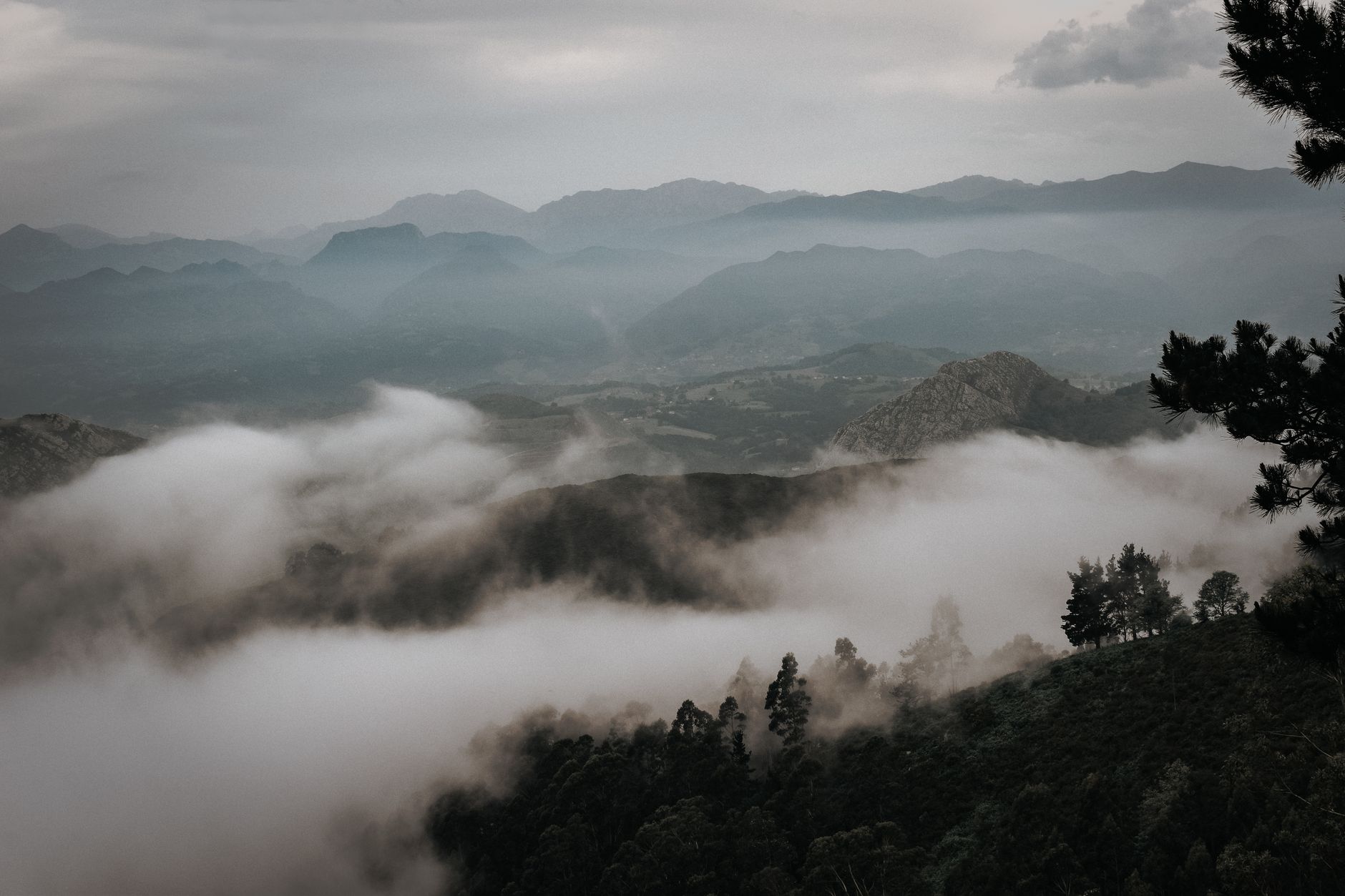
Roe deer hunting in Spain offers a markedly different experience from the country's more celebrated mountain pursuits. The quarry is smaller, the method quieter, and success depends far more on patience and field craft than on physical endurance. For hunters who appreciate a deliberate stalk through mixed woodland, a roe buck in velvet or hard antler is one of Europe's most rewarding woodland trophies.
Spain holds a healthy and geographically widespread roe deer population, though the species is distributed unevenly. The strongest concentrations sit across the northern half of the country, particularly the Cantabrian range, the Pyrenean foothills, the interior of Galicia and Navarre, and parts of Castile and Aragon where forest and open pasture meet along natural edges. Southern populations exist but are thinner, and hunting pressure, habitat type and local management vary considerably between autonomous communities.
When Is Roe Deer Season in Spain?
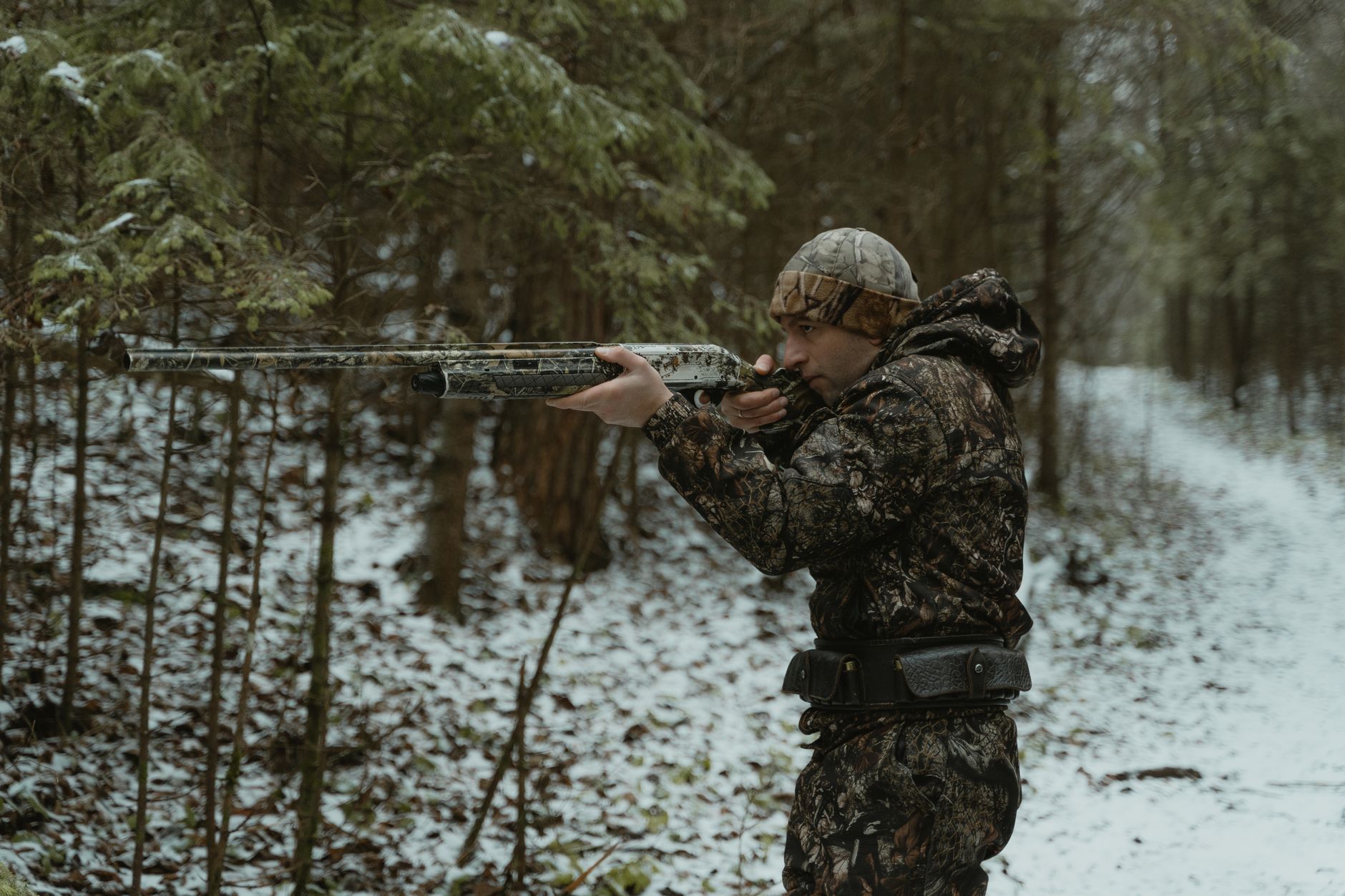
The roe deer season typically opens in spring, often April or May depending on the region, and runs into the summer months. Precise dates are set by each autonomous community and can shift from one year to the next, so they must be confirmed for the specific province where the hunt will take place. A date that applies in Cantabria may differ from one in Aragon or Navarre.
The most productive window for trophy quality is generally when bucks are in hard antler and at their most territorial, which tends to fall in late spring into early summer. The rut, a brief and intense period usually in July, can produce active and visible bucks, but it demands flexibility in timing since it does not follow a fixed calendar date.
Why the Season Timing Matters for Trophy Quality
Roe deer antlers are assessed by CIC criteria covering main beam length, spread, weight, pearling, colour and the presence of coronets. Bucks taken early in the season may still carry some velvet; those taken later in summer will be fully clean. The right window for your target region is worth raising early in the planning conversation.
Terrain and Habitat: Where Roe Deer Live in Spain
Roe deer favour a mosaic of cover and open ground. They thrive where oak woodland, beech forest or pine plantations border farmland, river valleys or scrub, giving them both shelter and feeding edges. The Cantabrian coast, with its green valleys and broken topography, is particularly productive. The Pyrenean foothills of Navarre and Aragon offer classic European roe deer habitat at moderate altitude. Parts of Old Castile, where cereal fields give way to river-lined woodland, also hold good populations.
Unlike the open mountain terrain of ibex or chamois hunting, roe deer ground rewards slow, careful movement. Stalks are conducted on foot at dawn or in the evening, glassing woodland edges and natural clearings from a downwind position. High seats are used in some areas where visibility and wind management make them the more practical choice, and a well-managed beat will often use both across a multi-day hunt.
How Roe Deer Hunting in Spain Is Conducted
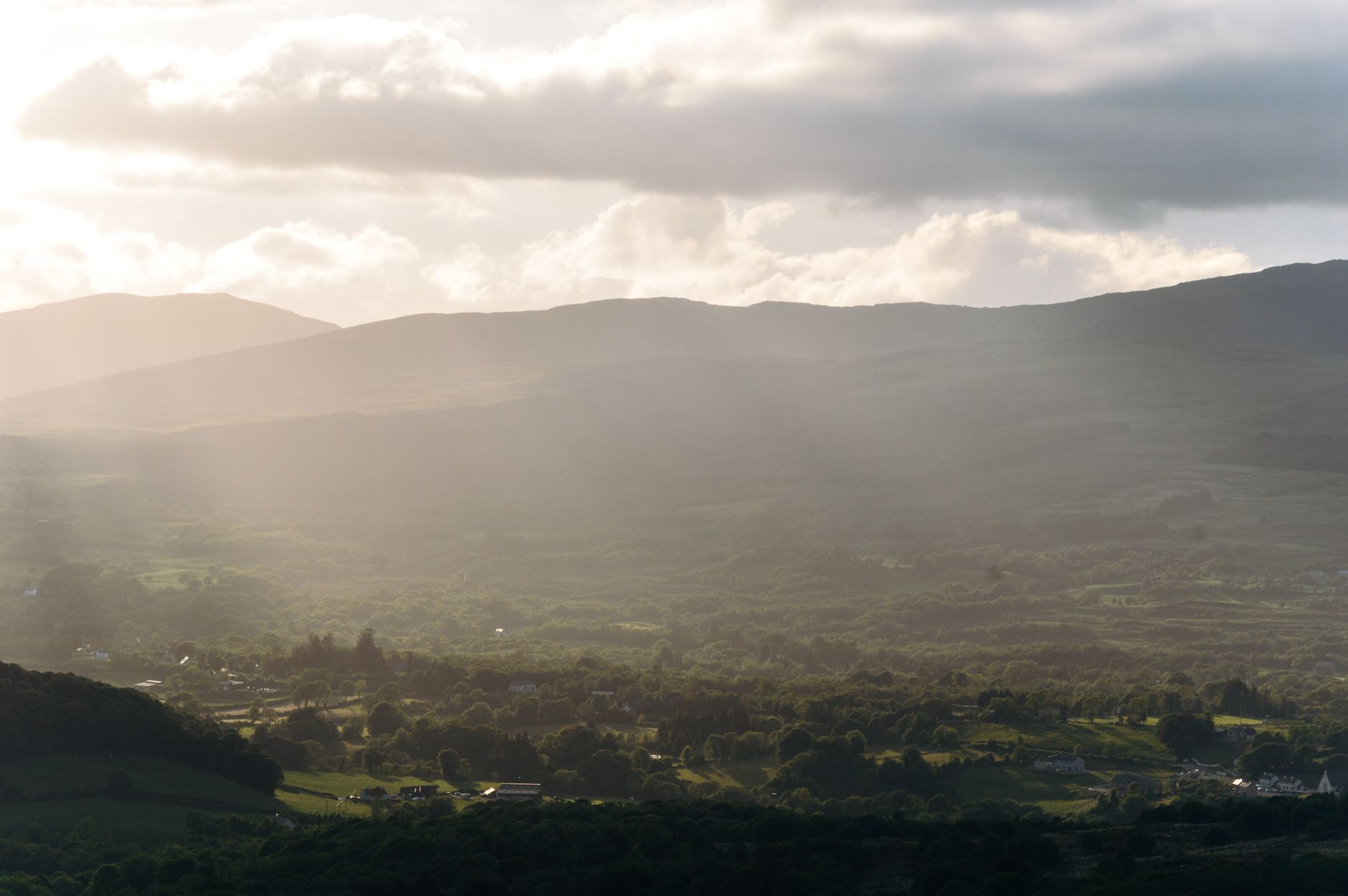
The standard method is the walked stalk with a local guide, moving quietly through or along the edge of cover in low light. The guide's knowledge of individual buck territories, feeding patterns and habitual crossing points is central to the experience. Roe deer are not large animals and their habitat can absorb them completely. Picking a mature buck from a younger one at distance, in poor morning light and through trees, is a skill that comes from many seasons on the same ground.
Shot distances are generally modest by mountain hunting standards, often well under a hundred metres, which places a premium on controlled breathing and a clean, ethical shot rather than long-range technique. Hunters should be comfortable shooting from sitting or kneeling positions using sticks or a natural rest, since a woodland stalk rarely ends with a convenient broadside opportunity in the open.
What Rifle and Calibre to Consider
For a relatively small deer in woodland, the choice tends toward a flat-shooting mid-bore calibre with a quality expanding bullet. The big game calibre considerations discussed elsewhere on this blog apply broadly, though roe deer do not call for the heavier end of the spectrum used for red stag. The specific calibre is worth discussing with the outfitter at the planning stage, particularly if you are considering firearm rental rather than temporary import of your own rifle.
Licences, Permits and Practical Logistics
Hunting roe deer in Spain as a foreign national requires a valid Spanish hunting licence, a permit tied to the specific ground, and a safe transport arrangement for any firearm. The seasons page gives an overview of the broader regulatory calendar, but roe deer licensing is managed at regional level and the current season's rules must be verified for the relevant autonomous community. Hunters arriving from the United States should be aware that CITES and US Fish and Wildlife import requirements for roe deer trophies are distinct from those for heavily regulated species, though documentation must still be in order. The USA hunting page covers the broader import framework.
Huntex arranges licences, permits, firearm rental or temporary import paperwork, and in-field trophy preparation as part of the bespoke proposal. Import documentation for the United States and Mexico is handled alongside the hunt, with guidance on taxidermy and shipping options available directly from the outfitter.
Realistic Expectations for a Roe Deer Hunt in Spain
Roe deer hunting in Spain is not a numbers game. A typical booking covers several mornings and evenings of stalking, and the number of opportunities will depend on the ground, the season and the conditions on the days themselves. Wind, rain and temperature all affect deer movement, and a mature buck can disappear from familiar ground without explanation. Hunters who bring curiosity and patience rather than a fixed expectation tend to find the most in it.
A companion programme works particularly well alongside a roe deer hunt. Because the productive hours are at dawn and dusk, the middle of the day is free, and the regions where roe deer are hunted, northern Spain especially, offer considerable cultural and gastronomic interest for a partner travelling with the hunter. It is worth raising when the proposal is being put together. See the about page for more on how the consultation works.
If you are considering a roe deer hunt in Spain, the most useful first step is to share your preferred dates, the region that interests you, and whether this will be a standalone trip or combined with another species. Confirmed availability and a tailored proposal can follow from there.