
Spanish Hunting Glossary for the International Hunter
From montería to rececho, Spanish hunting has its own precise language. This glossary explains the terms you will hear in the field, at the lodge and in the paperwork.
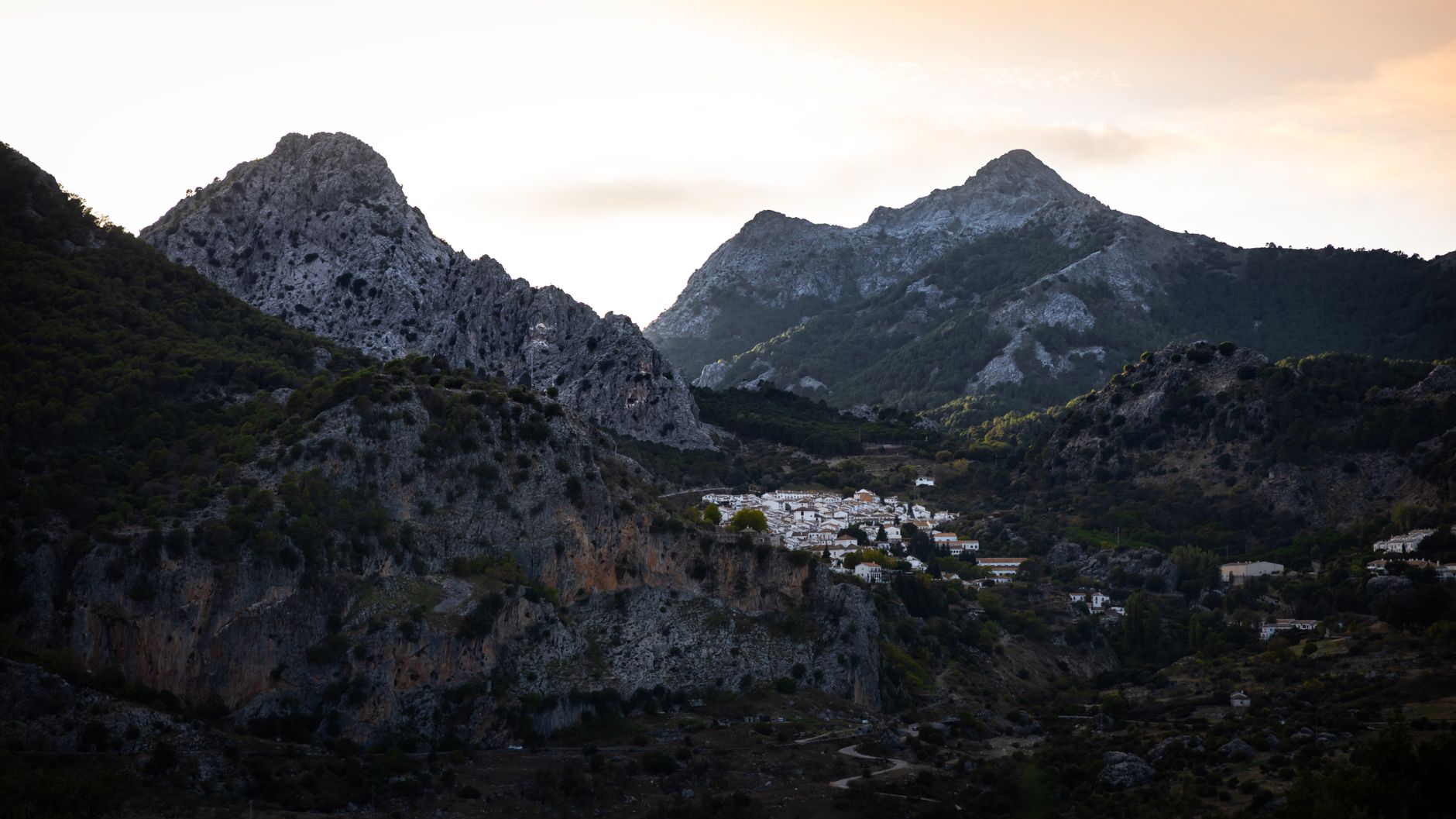
Spanish hunting has its own vocabulary, shaped by centuries of tradition, regional practice and formal wildlife management. Knowing the key terms before you arrive means you spend less time guessing and more time hunting. This glossary covers the words you will hear in the field, at the lodge table and in the documents your outfitter handles on your behalf.
The terms below are grouped by context rather than alphabetically, because that is how they come up in practice: hunt formats first, then roles, then terrain and species, then the administrative language.
Hunt Formats and Techniques
Rececho
The Spanish word for a spot-and-stalk hunt. It is the method used for Spanish ibex, Pyrenean chamois and roe deer: glass from a vantage point, identify an animal worth pursuing, then close the distance on foot over demanding ground. The word comes from the verb reacechar, to stalk again, and the repetition implied in the root is accurate. Patience is the method.
Montería
A driven big-game hunt, typically for red deer, fallow deer or wild boar, in which beaters and hounds push animals through enclosed terrain toward a line of waiting rifles. The montería is one of Spain's oldest and most socially structured hunting formats. Each hunter is assigned a numbered post, a puesto, before the drive begins. Our guide to wild boar driven hunts covers the format and its etiquette in more detail.
Ojeo
A driven walk-up, most commonly associated with red-legged partridge. Beaters advance toward the guns in a line, flushing birds that come low and fast over the shooters. The ojeo is one of the most demanding and traditional forms of driven partridge shooting in Spain, and it calls for a different technique from the high pheasant presentation familiar to British or American hunters.
Aguardo
An ambush hunt: hunting from a fixed position, often at dusk or dawn, over a natural passage or feeding area. Common for wild boar and sometimes for red deer outside the rut. The term describes the act of waiting as much as the hide itself.
Batida
A smaller or less formal driven hunt than a full montería, often involving fewer participants and a shorter day. The line between a batida and a montería is partly one of scale and partly one of regional custom. Local outfitters may use the terms differently depending on the autonomous community.
Roles in the Field
Guarda or Guardabosques
The gamekeeper responsible for a given estate or hunting ground. The guarda works the land throughout the year: monitoring wildlife, maintaining habitat, enforcing quota compliance and preparing the ground before a hunt. On any stalk, his local knowledge is usually the most valuable thing in the field.
Guía de Caza
The licensed hunting guide who accompanies the visiting hunter. In Spain, guiding a foreign hunter typically requires a formal qualification, and the guía de caza is legally responsible for ensuring the hunt complies with local regulations. Your outfitter arranges this.
Secretario de Montería
The hunt secretary, a role specific to the montería. The secretario coordinates the logistics of the drive: assigning puestos, briefing participants on the day's rules, recording what is taken and formally closing the hunt. Listen to this person before the drive begins.
Rehalero
The handler of the pack of hounds used in a montería. The rehalero manages the dogs throughout the drive and is responsible for their welfare and control. In the traditional montería, his role carries as much weight as that of any gun.

Terrain, Regions and Species Names
Coto de Caza
A registered hunting ground. Every legal hunt in Spain takes place within a coto, a delimited area operating under a formal hunting plan approved by the relevant autonomous community. The coto is the basic legal unit of Spanish hunting management, and access to one is what a booking with a licensed outfitter actually secures.
Finca
A private rural estate. Many Spanish hunts take place on large privately owned fincas, particularly in Castile, Extremadura and Andalusia. A finca is not automatically a coto: the estate must hold the appropriate hunting concession. In conversation the word is used loosely to mean any rural property.
Sierra
A mountain range. Spain's hunting terrain is largely defined by its sierras: the Sierra Nevada, the Sierra de Gredos, the Sierra de Cazorla, among others. When a guide or gamekeeper refers to a specific sierra, he is describing both the geography and, implicitly, the species and techniques that apply there. The individual guides under mountain game explain how the terrain shapes each hunt.
Cabra Montés
The Spanish ibex, literally the mountain goat. The four recognised subspecies, Beceite, Gredos, Southeastern and Ronda, each inhabit distinct ranges and are assessed separately under CIC trophy measurement. Hunting all four is the basis of the Spanish Ibex Grand Slam.
Rebeco
The Pyrenean chamois (Rupicapra pyrenaica), found at high altitude in the Pyrenees and the Cantabrian mountains. The rebeco is a distinct species from the Alpine chamois and is assessed on its own terms by CIC. The Pyrenean chamois hunt is among the most physically demanding Spain offers.
Venado
Red deer, the principal big-game species of the Iberian Peninsula. The Spanish red deer (Cervus elaphus hispanicus) is a recognised subspecies, typically smaller and darker than its Central European counterpart, with a distinctive call during the rut known as the berrea. That rut season is the most sought-after window for a red stag hunt in Spain.
Berrea
The roaring rut of the red deer, one of the most distinctive sounds in Spanish hunting. It typically runs through September and into early October, varying by altitude and region. Stalking a stag to his own voice during the berrea is the classic Iberian mountain hunt.
Administrative and Trophy Language
Licencia de Caza
The hunting licence, issued by the autonomous community where the hunt takes place. Spain has seventeen autonomous communities, each with its own wildlife legislation, and a licence valid in one may not cover another. Your outfitter arranges the appropriate licence for the region and season as part of the booking process.
Permiso
A permit authorising the harvest of a specific animal, or a specific number of animals, within a coto. Permisos are issued against the annual quota set by regional wildlife authorities. Whether a permiso exists for a given species and date determines whether a hunt can proceed, and confirming this is a core part of any reputable outfitter's preparation.
Medalla CIC
The CIC medal awarded to a trophy after formal measurement against CIC formulae. Trophies scoring above threshold values receive a bronze, silver or gold medal, each recognised internationally. CIC scoring uses different criteria from SCI or Boone and Crockett, which is why the same trophy may carry different rankings under each system. A fuller explanation is on our glossary page.
Guía de Circulación
The transport document that must accompany a trophy or game animal when it is moved from the hunting ground. Issued by the relevant authority or the coto administrator, it is a prerequisite for the export and import paperwork that applies when trophies travel to the United States or Mexico. The process is described in more detail under hunting in Spain from the USA.
A Note on Regional Variation
Spain's decentralised structure means that hunting law, terminology and season dates can vary meaningfully from one autonomous community to another. A term your guide uses in Castile may carry a slightly different administrative meaning in Aragon or Andalusia. When a specific document, quota figure or procedural step matters to your planning, ask your outfitter to confirm the current rules for the region and season you intend to hunt. These details change and must be verified each year.
If you are planning a first trip to Spain and want to know which species and regions suit your dates, share your preferred window and target animals with us and we will put together a confirmed availability proposal.