
Which Spanish Hunts Need No CITES Permit
Several of Spain's most sought-after hunts produce trophies that require no CITES permit at all. Knowing which species are exempt saves time and simplifies your import paperwork.
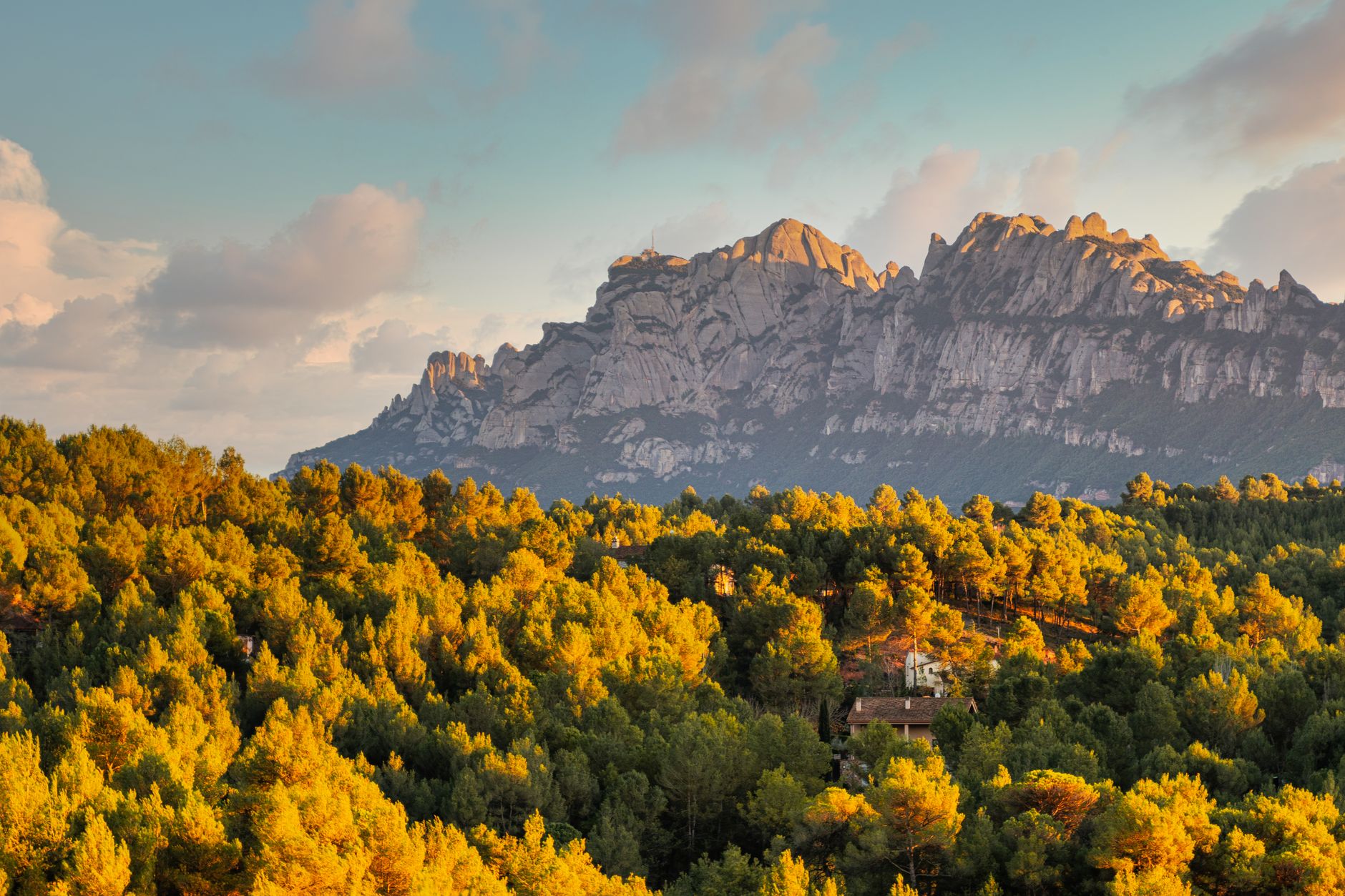
Several of Spain's most sought-after hunts produce trophies that require no CITES permit at all. The four subspecies of Spanish ibex, red stag, roe deer, fallow deer, wild boar and red-legged partridge are not listed on any CITES appendix, which means their trophies travel on standard export documentation rather than on a CITES certificate. Knowing this before you book shapes the timeline, the paperwork and, in some cases, the overall cost of bringing a trophy home.
This guide is written for hunters travelling from the United States and Mexico, and for the booking agents who plan these trips. It does not replace legal advice or current-season confirmation from your outfitter. Classifications and national implementation rules can change, so always verify the status of any species for the season in which you intend to hunt.
CITES in Plain Language: What the Appendices Actually Mean
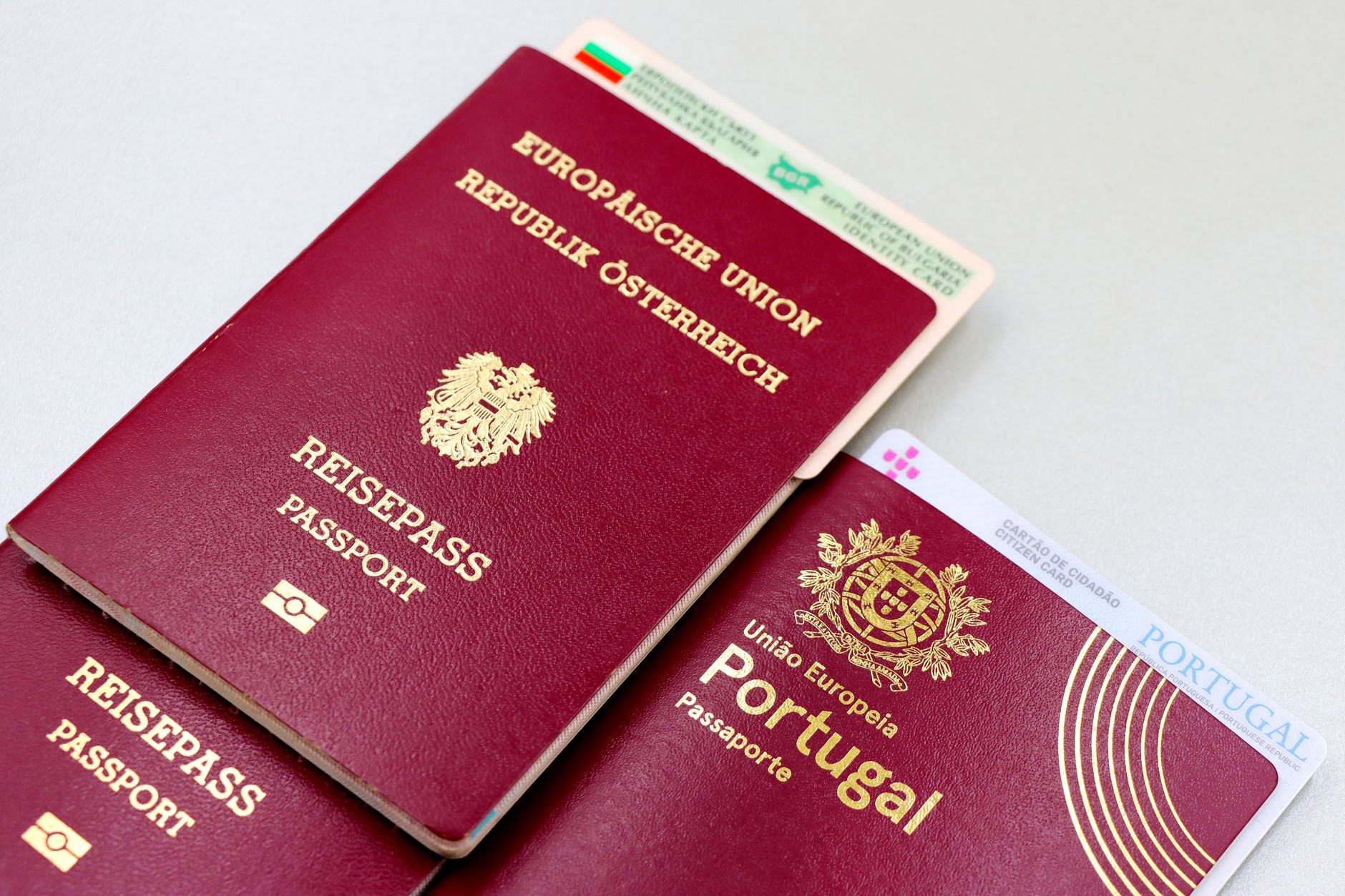
CITES, the Convention on International Trade in Endangered Species of Wild Fauna and Flora, groups species into three appendices according to the level of trade control they require. Appendix I species are the most restricted: commercial trade is effectively prohibited, and even non-commercial trophy movement requires permits from both the exporting and importing country. Appendix II species can be traded, but both sides of the transaction need official documentation. Appendix III covers species protected in at least one member country that has requested multilateral cooperation.
A species that appears on no appendix travels under ordinary customs rules. For hunting trophies, that typically means an export or health certificate from Spain and a standard import declaration at your home port, without the additional CITES permit layer. The paperwork is simpler, but it is never zero: customs requirements, health regulations and your own country's wildlife import rules still apply.
Species You Can Commonly Hunt in Spain Without a CITES Permit
Spanish Ibex
All four subspecies of Capra pyrenaica, the Beceite, Gredos, Ronda and Southeastern ibex, are not CITES-listed. This is part of what makes the Spanish Ibex Grand Slam so attractive to American and Mexican hunters: you can complete all four animals and ship the full set home without assembling a CITES file. Trophy preparation, export health documentation and import requirements at your destination still need to be handled correctly, but the CITES step does not enter the picture.
Red Stag
The Iberian red stag (Cervus elaphus hispanicus) is not on the CITES appendices. A stag taken during the rut in Extremadura, Castile or Andalusia travels home on standard documentation. The rut is a narrow seasonal window and planning timelines are often tight, so the absence of a CITES certificate requirement removes at least one variable from an already precise logistical picture.
Roe Deer and Fallow Deer
Both species sit outside the CITES appendices. Fallow deer, long naturalised across Spanish estates, and roe deer, a quieter quarry suited to early-morning woodland stalks, produce trophies that move through customs on the same simplified documentation as red stag and ibex.
Wild Boar
Wild boar carry no CITES listing anywhere. Whether taken in a driven monteria or on a more targeted evening stalk, a boar trophy, typically a skull and tusks, is among the most straightforward to export. Hunters often add a boar to a stag or ibex trip precisely because it introduces almost no additional administrative complexity.
Red-Legged Partridge
For driven partridge hunters, the CITES question rarely arises because most guests do not bring feathered trophies home in any formal sense. Where they do, the red-legged partridge (Alectoris rufa) is not on the appendices. The more relevant consideration for driven partridge is the phytosanitary and import health rules governing the movement of game birds and meat, which vary by destination country and should be confirmed before travel.

Species Hunted in Spain That Do Carry CITES Requirements
Some hunters combine species on a single trip, so it is worth naming the hunts in Spain where CITES documentation is part of the process.
Aoudad (Barbary Sheep)
The aoudad (Ammotragus lervia) is listed on CITES Appendix II. Free-ranging populations exist in parts of southeastern Spain and the species is genuinely huntable, but any trophy will require a CITES export permit from Spain and, for US hunters, a CITES import permit from the US Fish and Wildlife Service. That timeline belongs in the planning stage, not as an afterthought. Raise the question with your outfitter early: what is the current processing estimate for aoudad CITES documentation for a hunter from my country?
Mouflon
The status of mouflon under CITES and under national regulations depends on the population, the region and, in some contexts, whether the animals are considered free-ranging or enclosed. There is no single uniform answer. If mouflon is on your list, the permit question must go directly to the outfitter and be confirmed against the regulations current at the time of your hunt, including your import country's own requirements.
Pyrenean Chamois
The Pyrenean chamois (Rupicapra pyrenaica) does not appear on the global CITES appendices, but the subspecies structure and the EU's own wildlife trade regulations mean the documentation picture is worth confirming specifically, particularly for hunters importing into the United States. Absence from the main CITES appendices does not mean the process is entirely paperwork-free.
What Documentation a CITES-Free Trophy Still Needs
Removing the CITES layer does not remove all paperwork. A properly handled Spanish trophy, regardless of species, will typically be accompanied by documentation confirming the legal harvest, the species, the region and the hunter's identity. Spain, as an EU member, operates its own wildlife trade regulations that implement, and in some areas extend beyond, the basic CITES framework. Export health certificates, proof of legal hunt and correct in-field preparation are standard elements across the board.
On the receiving end, US hunters must comply with Fish and Wildlife Service declaration requirements even for non-CITES species and must enter through a designated port. Mexican hunters face their own framework at SEMARNAT and Aduana. Neither process is onerous for CITES-free species, but neither is invisible. The paperwork needs to be done correctly the first time.
Huntex handles in-field trophy preparation and the export side of the shipping process for both the United States and Mexico, and can advise on taxidermy and onward forwarding. If your situation involves a species or destination with specific requirements, that conversation is best had directly with the outfitter at the planning stage.
How to Use This Information When Planning a Trip
The practical value of knowing which hunts are CITES-free is that it lets you sequence a multi-species trip more efficiently. A hunter combining ibex with red stag and wild boar is working entirely outside the CITES framework. A hunter adding aoudad to that list introduces a permit process with its own timeline. Building the itinerary around that reality, rather than discovering it after booking, is what separates a well-planned expedition from a frustrating one.
Booking agents arranging trips for US or Mexican clients will find that species selection is one of the first questions worth settling, precisely because it determines how much lead time is realistically needed. The seasons calendar sets the biological window; the permit calendar sets the administrative one. Both need to work together from the outset.
If you have dates in mind and a target species list, share them with us and we will come back with confirmed availability and a clear picture of what documentation your specific hunt will involve.