
Sustainability and Quota Management in Spanish Hunting
Spanish hunting operates within a regional quota system designed to keep wild populations stable across decades. Understanding it helps hunters and agents plan with confidence.
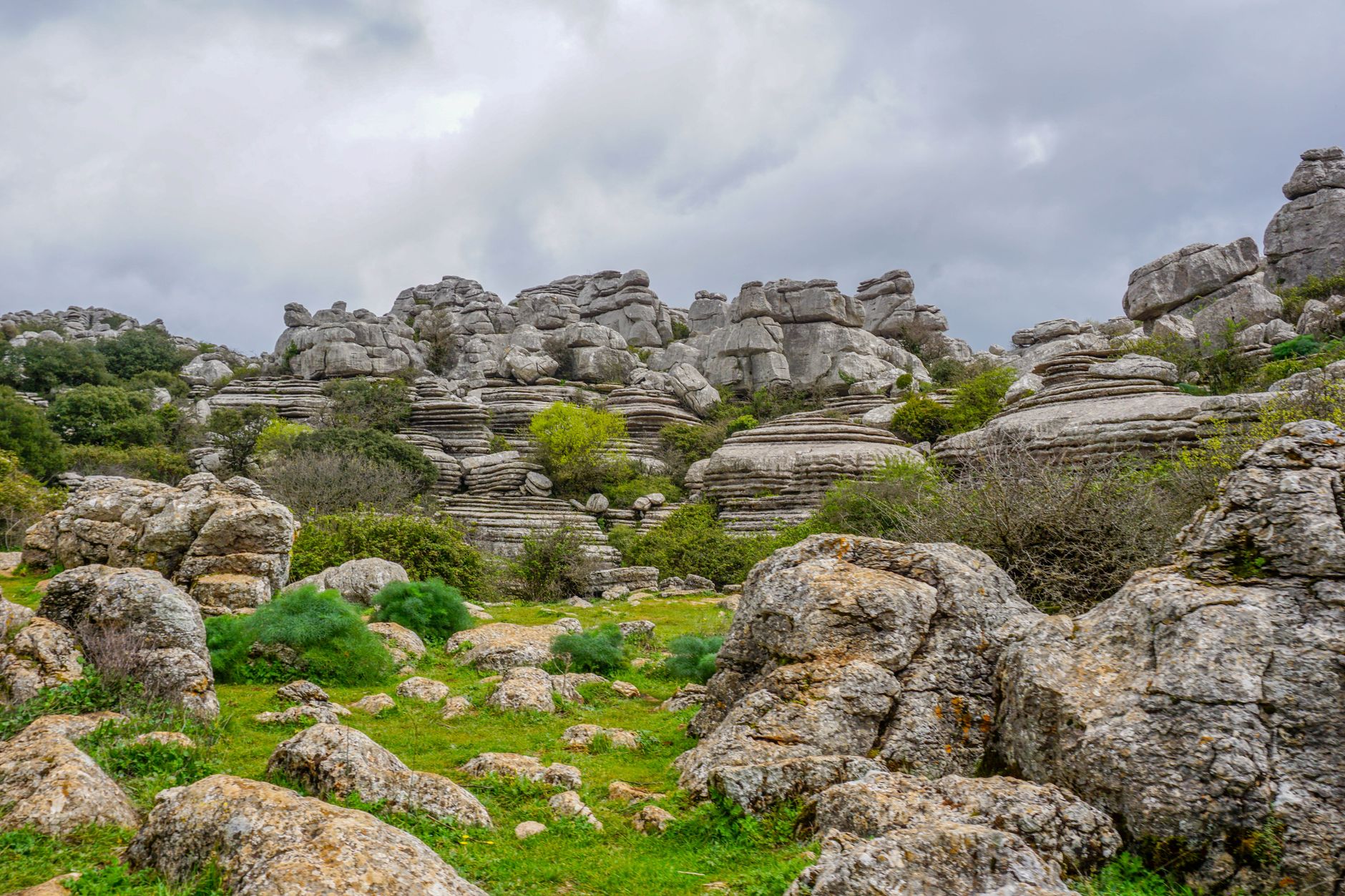
Spanish hunting runs on a layered system of population monitoring, annual quota-setting and habitat management that determines how many animals of each species and sex may be taken from each hunting ground each season. That framework, not luck, is why wild populations of species such as the Spanish ibex, red stag and red-legged partridge have remained huntable across generations. For the international hunter or the US agent building a Spanish programme, understanding how the system works is both practically useful and genuinely reassuring.
The short answer is this: each autonomous community holds legal authority over wildlife on its territory, sets annual harvest limits from census data, and issues those limits as binding quotas attached to individual hunting estates or public hunting zones. No estate, however private, may take animals outside its assigned quota. The outfitter books within what is allocated. The hunter shoots within what is booked.
Who Sets the Quotas and How
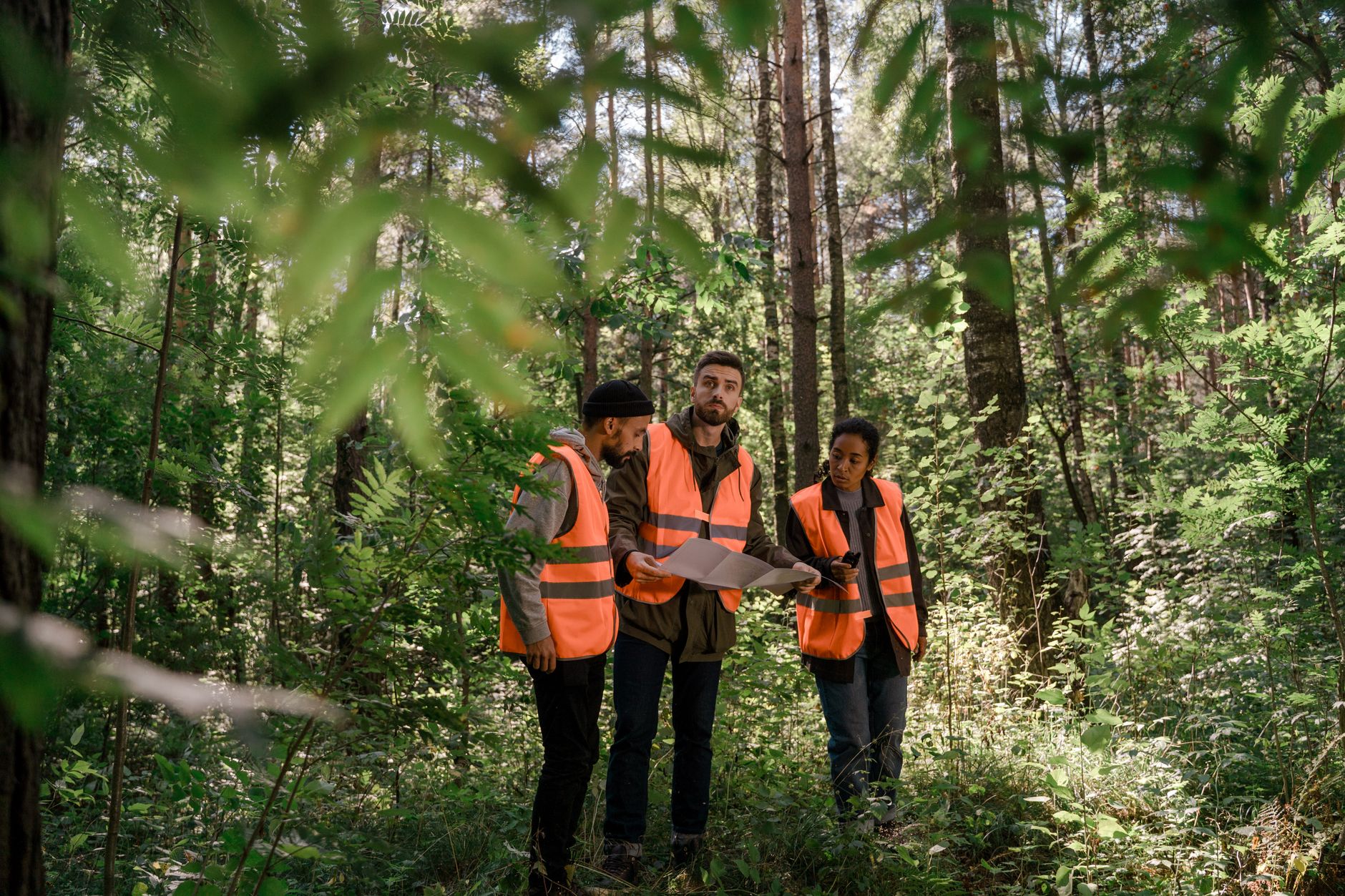
Spain has seventeen autonomous communities, each governing hunting through its own regional authority, typically an agency responsible for environment, nature or rural affairs. The process follows a recognisable pattern across regions, even where specific legislation and administrative forms differ.
- Census and monitoring. Regional wildlife services, often working alongside estate managers and in some areas with university research teams, carry out population counts. For mountain species such as the Beceite ibex or the Pyrenean chamois, this typically involves transect surveys, camera trapping and direct observation during key periods of the year.
- Quota calculation. From census data, authorities estimate a sustainable yield: the number of animals that can be removed without pushing the breeding population below a viable threshold. The calculation accounts for sex ratio, age structure and habitat carrying capacity. Trophy-quality males, which tend to be post-prime or at peak trophy age, are generally prioritised in the allocation because taking them carries the least demographic impact on the herd.
- Allocation to estates. Quotas are assigned to registered hunting estates, known as cotos. The coto holder, whether a private landowner, a hunting society or a public body, cannot exceed the allocated number per species. Permits are issued for specific animals, not open-ended authorisations to hunt a category.
- Reporting and enforcement. After each harvest, the coto must report what was taken. Regional game wardens (agentes medioambientales, or equivalent titles depending on the community) carry out field checks. Violating quota conditions can result in permit suspension and significant fines.
What This Means for Trophy Quality
Quota management and trophy quality are directly connected. When harvest numbers are set conservatively and weighted toward mature males, younger animals are left to develop. It is why experienced hunters and agents tend to find that well-managed Spanish estates produce consistent trophy quality across many seasons rather than one strong year followed by a decline. The system is built with that continuity in mind.
It is also why booking well in advance matters. A reputable outfitter works within confirmed quota allocations, and once a slot is filled, it cannot be expanded. Availability is a real constraint, not a sales technique.
The Role of the Hunting Estate
Private hunting estates in Spain carry a substantial share of the practical conservation work. Estate managers maintain water points, monitor poaching, manage supplemental feeding during hard winters in some regions, and cooperate with regional authorities on census work. Income from regulated hunting, including from visiting international hunters, funds much of that management. In several documented cases where hunting has been removed from an area, habitat quality has deteriorated as the financial incentive to maintain it disappeared.
This is not a Spanish peculiarity. It reflects the same relationship between sustainable use and conservation that informs CIC policy internationally. The CIC trophy measurement system, widely used in Spain, rewards mature animals taken in fair chase on well-managed ground, which aligns naturally with what quota management produces.
CITES, Protected Status and Species You Can and Cannot Hunt
Not every species present in Spain is huntable, and among those that are, some carry CITES documentation requirements for export. The Spanish ibex (Capra pyrenaica) is not listed on CITES appendices, which simplifies trophy export considerably. Other species may require export permits and, depending on the hunter's country of origin, import permits as well. That process is covered in more detail in our guide to the Spanish Ibex Grand Slam and in the article on which Spanish hunts require no CITES permit.
For planning purposes, the CITES status of any target species must be confirmed for the current season, since listings are reviewed periodically by the Conference of the Parties. Your outfitter should be able to give you the current status and the documentation your taxidermist or shipper will need.
How Quota Management Shapes the Hunting Calendar
Season dates in Spain are set at regional level and reflect both biological timing and quota logic. The red stag rut falls in September and early October, and the season opens to coincide with that window partly because the stag is most visible and active, and partly because harvest at that stage causes the least disruption to the breeding cycle once the rut is functionally complete. For driven wild boar, the monteria season is structured around minimising pressure on sows with dependent young.
Understanding the biological reasoning behind season timing helps hunters choose the right window rather than simply the most convenient travel date. The full season calendar on this site gives an overview by species, but always confirm current dates with your outfitter, since regional authorities can and do adjust them between years.
Questions Worth Asking Your Outfitter
When evaluating a proposed hunt, the following questions reveal how seriously an operation takes its conservation obligations. A confident answer to each is a good sign; evasiveness about any of them is worth noting.
- What is the current quota for this species on this ground, and how many slots remain for the season?
- How is the population monitored, and who carries out the census?
- What is the minimum trophy standard for the animals available within quota this year?
- Has this estate operated consistently within its quota, and what does the reporting process look like?
- For export: what documentation will be prepared for US customs and, where applicable, for a taxidermist's import permit?
At Huntex, the initial consultation covers grounds, quota status and the right window for your target species. If you have specific questions about a species or region not addressed here, those are exactly the conversations worth having before any proposal is put together.
Tell us your preferred dates, the species on your list and whether you are planning a single-species trip or combining several, and we will come back to you with confirmed availability and a proposal built around your programme.