
Wild Boar Hunting in Spain Beyond the Monteria
Spain offers wild boar hunting well beyond the classic monteria drive. Stalking, high-seat ambush and night approaches each suit different hunters, seasons and landscapes.
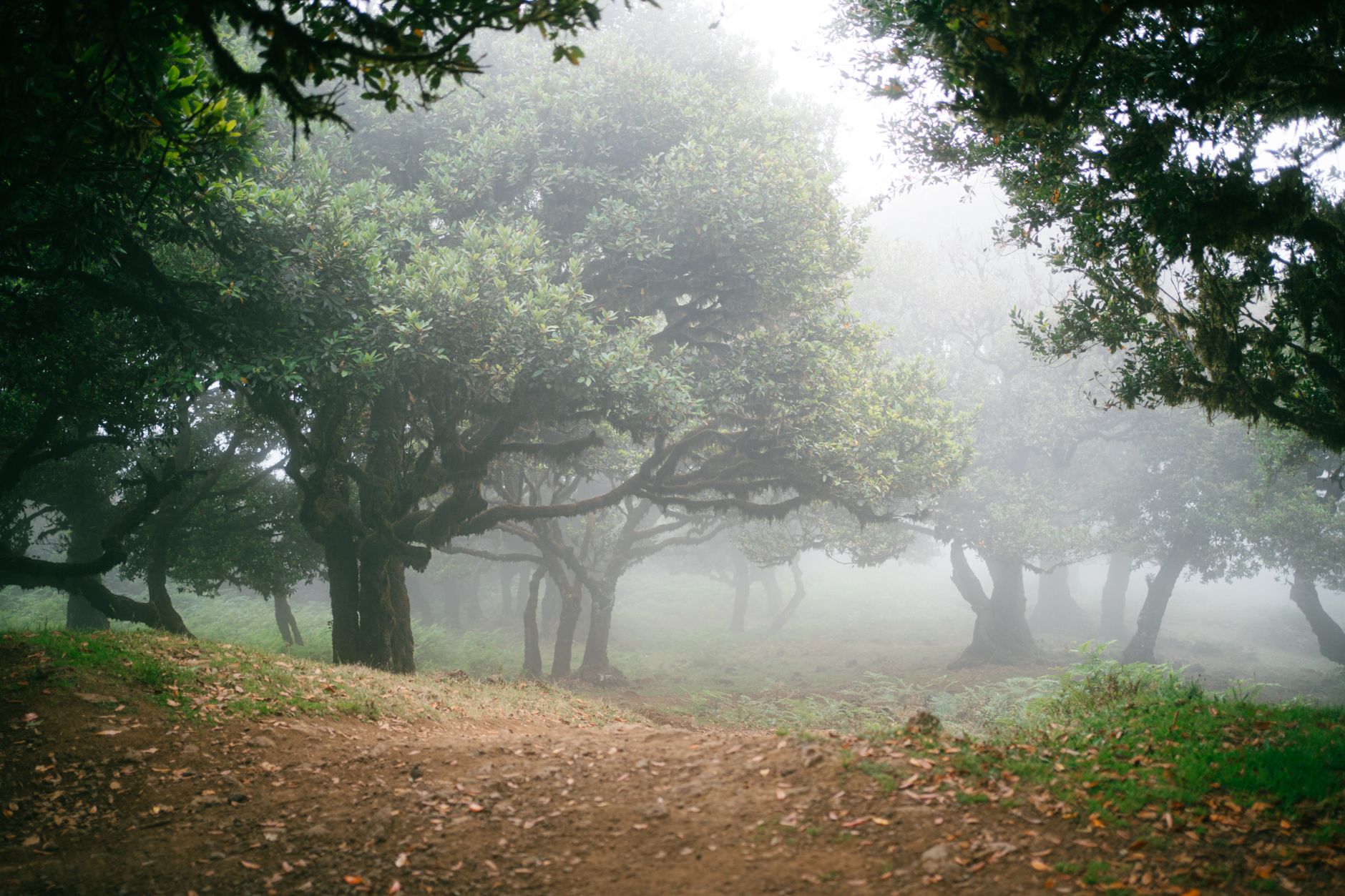
Wild boar hunting in Spain does not begin and end with the monteria. That famous driven format is one method among several, and for many international hunters the quieter, more solitary alternatives are equally rewarding and, in some cases, the better fit for their travel window or preferred style. Stalking on foot, waiting over a high seat at first light, the traditional evening ambush known as the espera: each places the hunter in a different relationship with the same animal and the same Spanish countryside.
This guide focuses on those complementary methods. How they work, when they are available, what terrain and preparation they involve, and how they sit within Spain's regulatory framework for wild boar. If you already know the monteria from our earlier piece, treat this as the chapter that follows it.
Wild Boar in Spain: A Species Worth Understanding
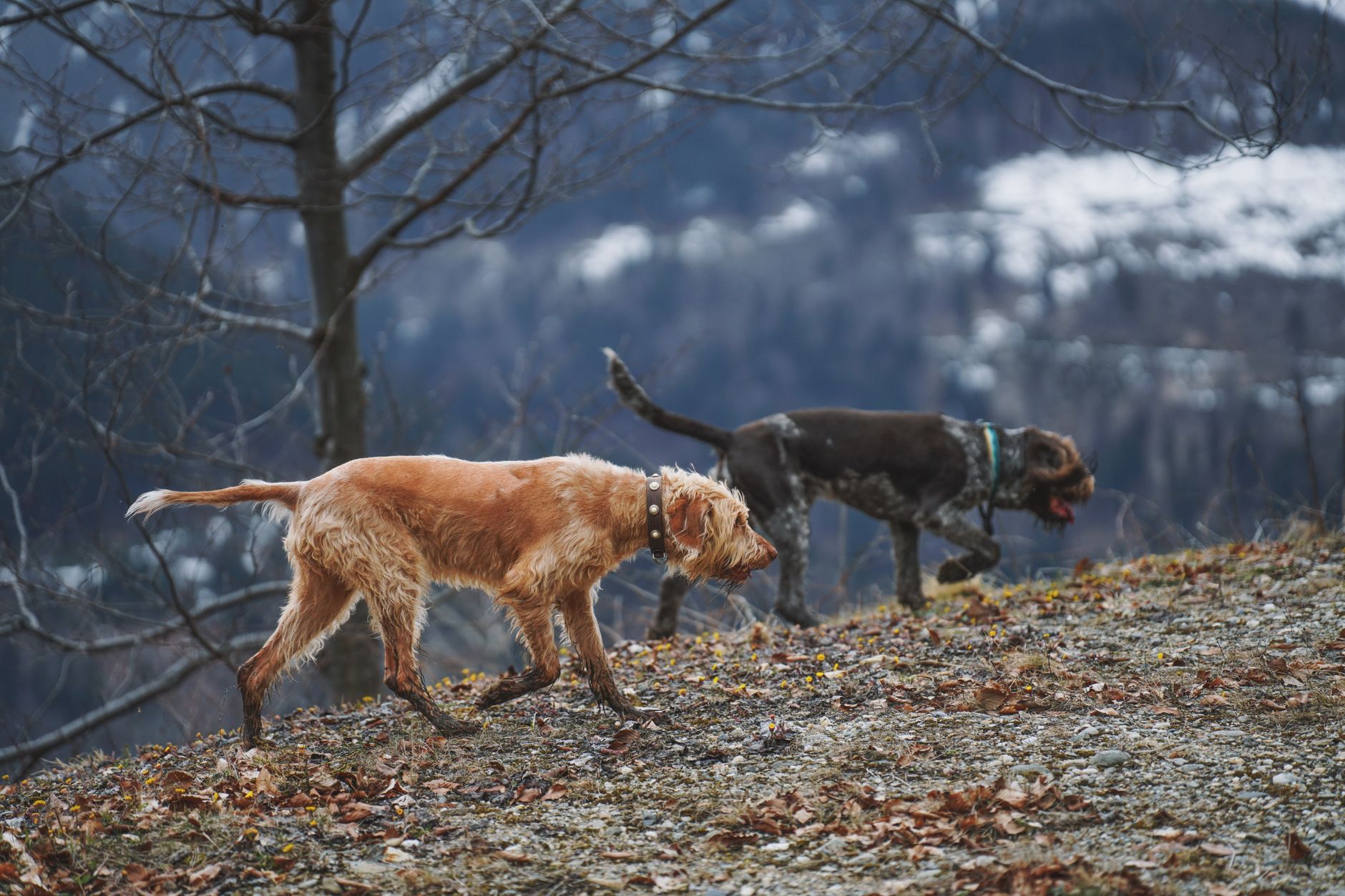
The Iberian wild boar (Sus scrofa) is found across nearly every Spanish region, from the granite highlands of Extremadura and Castile to the cork-oak dehesas of Andalusia, the wetland edges of Valencia and the dense Atlantic forests of Cantabria and Galicia. Population density, body size and coat colour vary considerably by region and altitude. Animals from the cooler, wetter north tend to carry heavier frames; those from the drier southern plateaux are often leaner but no less wary.
Because the species reproduces quickly and occupies a broad ecological range, regional governments manage it under annual quotas tied to local population assessments. For the hunter, the practical consequence is that season dates, permitted methods and daily bag limits differ from one autonomous community to another and must be confirmed for the current season and the hunter's country of origin before any booking is finalised.
Rececho: Spot and Stalk for Wild Boar
The rececho is Spain's term for spot-and-stalk, most commonly associated with ibex and red stag but equally practised for wild boar in open or semi-open terrain. It suits hunters who want to cover ground, read sign and make a stalking approach rather than wait for an animal to come to them.
Productive terrain for a boar rececho includes dehesa woodland, where animals feed on acorns and roots beneath widely spaced holm oaks, and the scrub-covered hillsides of the central sierras, where boar move along established trails between bedding cover and feeding areas. Early morning and the last hour of afternoon light are the most reliable windows. A guide who knows the ground is not a luxury here; it is what separates a productive stalk from a long walk.
A boar rececho is physically less demanding than a mountain ibex hunt but does require patience, the ability to move quietly and confidence in a shot-placement decision made at variable distances. Calibre selection matters, and your outfitter can advise on what suits the terrain and expected ranges once the specific grounds are confirmed. The big game section covers rifle choices for Spanish hunting in more detail.
Aguardo and Espera: Ambush Hunting at Its Most Traditional
The aguardo (high seat or blind, typically used at dawn) and the espera (an evening wait at a waterhole, wallow or feeding site) are the two principal ambush methods for wild boar in Spain. Both are deeply embedded in Spanish hunting culture, particularly in Andalusia, Extremadura and the Levante.
The espera has an almost ritual quality. The hunter is placed well before dusk, the guide withdraws, and what follows is a test of stillness and observation as the landscape shifts from afternoon heat to cooler evening. Boar are predominantly crepuscular and nocturnal, and the last thirty minutes of legal shooting light can be the most eventful. Where regional regulations permit night shooting with appropriate equipment, that possibility is worth raising during the initial consultation, since rules on lighting, thermal optics and permitted hours vary by region and season.
For non-hunting companions travelling alongside a hunter, these quiet, landscape-focused days work well within the companion programmes that a bespoke proposal can incorporate. The wild boar driven hunts page covers the monteria in full for those who want to compare both approaches directly.
Season Windows and Regional Variation
Wild boar can be hunted across a longer collective season than most other Spanish species, though open dates for each method differ by autonomous community. As a general orientation, driven hunts concentrate in autumn and winter, while rececho and aguardo permits often cover a broader window extending into late spring in some regions. The key variables are local population management goals, the method being used and whether the hunter holds the correct class of licence for that specific region.
Because these details change year to year, and because a hunter's country of origin affects which documents are required, the right approach is to confirm current-season rules for the intended grounds before travel. That confirmation is part of what the initial consultation is for. Spain's general hunting calendar is outlined in the seasons section if you want a working framework to start from.
Licences, Permits and Firearm Logistics
Wild boar hunts in most Spanish regions require a valid Spanish hunting licence, a regional permit specific to the hunt type and, where applicable, documentation tied to the private estate or managed ground. For international hunters, temporary firearm import or renting a suitable rifle in Spain are the two most common routes. Which applies, and what documents are needed at each stage, depends on the hunter's passport, the airline and the port of entry, so the specifics need to be worked through before travel rather than on arrival.
Arranging licences, permits, insurance and firearm logistics is part of the bespoke proposal that Huntex prepares once dates and target method are confirmed. Booking agents placing a client for this type of hunt will find the coordination process described on the information for US professionals page.
What Makes a Boar Hunt Worth the Journey
A driven monteria is a social event, an Iberian institution that places the hunter within a larger choreography of beaters, dogs and fellow guns. A rececho or espera is the opposite: just the hunter, a guide and an animal that has no reason to cooperate. Both have their place, and the hunters who find most satisfaction in Spain are often those who have tried both.
For the hunter who wants time in Spain outside the main October to January driven season, or who prefers a quieter, more self-directed day afield, the stalking and ambush methods open up parts of the calendar and parts of the landscape that the monteria does not reach. The dehesa at first light in March, or a Castilian hillside at dusk in November with the oaks still carrying their last acorns, are experiences that stand on their own.
If you are weighing options or planning a trip that combines wild boar with another species such as red stag or Beceite ibex, sharing your target dates and species list is the most direct way to receive a proposal built around what is actually available and in season for those grounds.
Tell us your preferred travel window and whether you are drawn to the stalk, the high seat or a combination of both, and we will come back with confirmed availability and a programme shaped around your hunt.