
Beceite or Gredos Ibex: Which to Hunt First
Two of Spain's four ibex subspecies, two very different mountains. This guide compares Beceite and Gredos so you can decide which hunt belongs first in your itinerary.
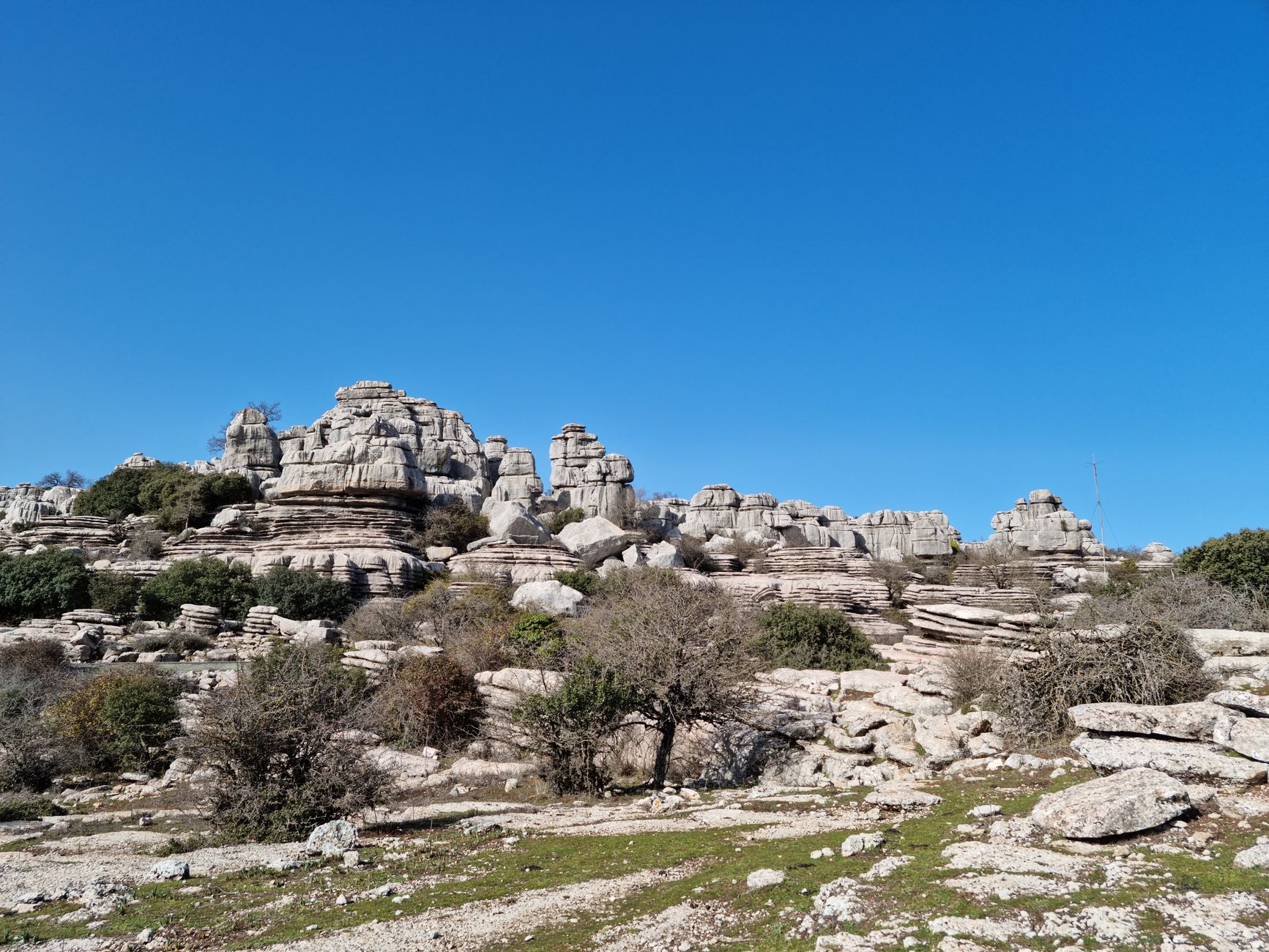
If you are planning a Spanish ibex hunt and have narrowed the first chapter to either Beceite or Gredos, the honest answer is that neither choice is wrong. These are two of Spain's four recognised ibex subspecies, each with its own range, its own season and its own character on the mountain. What differs is the kind of experience each one delivers, and understanding that difference is what allows you to sequence them well rather than simply pick one at random.
What Makes Beceite and Gredos Ibex Different Subspecies
Spain's four ibex subspecies are classified separately by the CIC and by Spanish wildlife authorities: Capra pyrenaica hispanica (Southeastern), Capra pyrenaica beceite (Beceite), Capra pyrenaica victoriae (Gredos) and Capra pyrenaica pyrenaica, the Pyrenean ibex, which is functionally extinct. For the purpose of the Spanish Ibex Grand Slam, Beceite and Gredos count as two of the three huntable subspecies alongside the Southeastern. They are not interchangeable, and a trophy from one does not substitute for the other in any scoring or slam record.
Beceite Ibex: Limestone Cliffs and Mediterranean Scrub
The Beceite ibex inhabits the Puertos de Beceite, a compact limestone massif straddling the border of Aragon, Catalonia and Valencia in northeastern Spain. The terrain is rugged in a specific way: short, sharp ridgelines, dense rosemary and kermes oak scrub, cliff faces dropping into river gorges. Elevations are moderate by Spanish mountain standards, rarely above 1,400 metres, but the broken ground makes distances deceptive and the stalking precise.
The season for medal-class males typically falls in late autumn and early winter, when coats are full and males are still moving after the rut. The area is relatively accessible from Barcelona or Valencia, which matters when pairing a hunt with a companion programme or a short city stay. Because the range is concentrated, days are well defined: a single massif, a known cast of animals and guides who have worked the same ground across many seasons.
In terms of physical demand, Beceite sits at a mid-level. The altitude is not punishing, but the terrain asks for sure footing on loose limestone and the ability to stay low in scrub. For a hunter new to the method, that is no bad thing. You learn how the stalk works, how Spanish guides read ground and how the pacing of the day unfolds, without the altitude stress that can complicate a first mountain morning.
Gredos Ibex: Granite, Altitude and Open Country
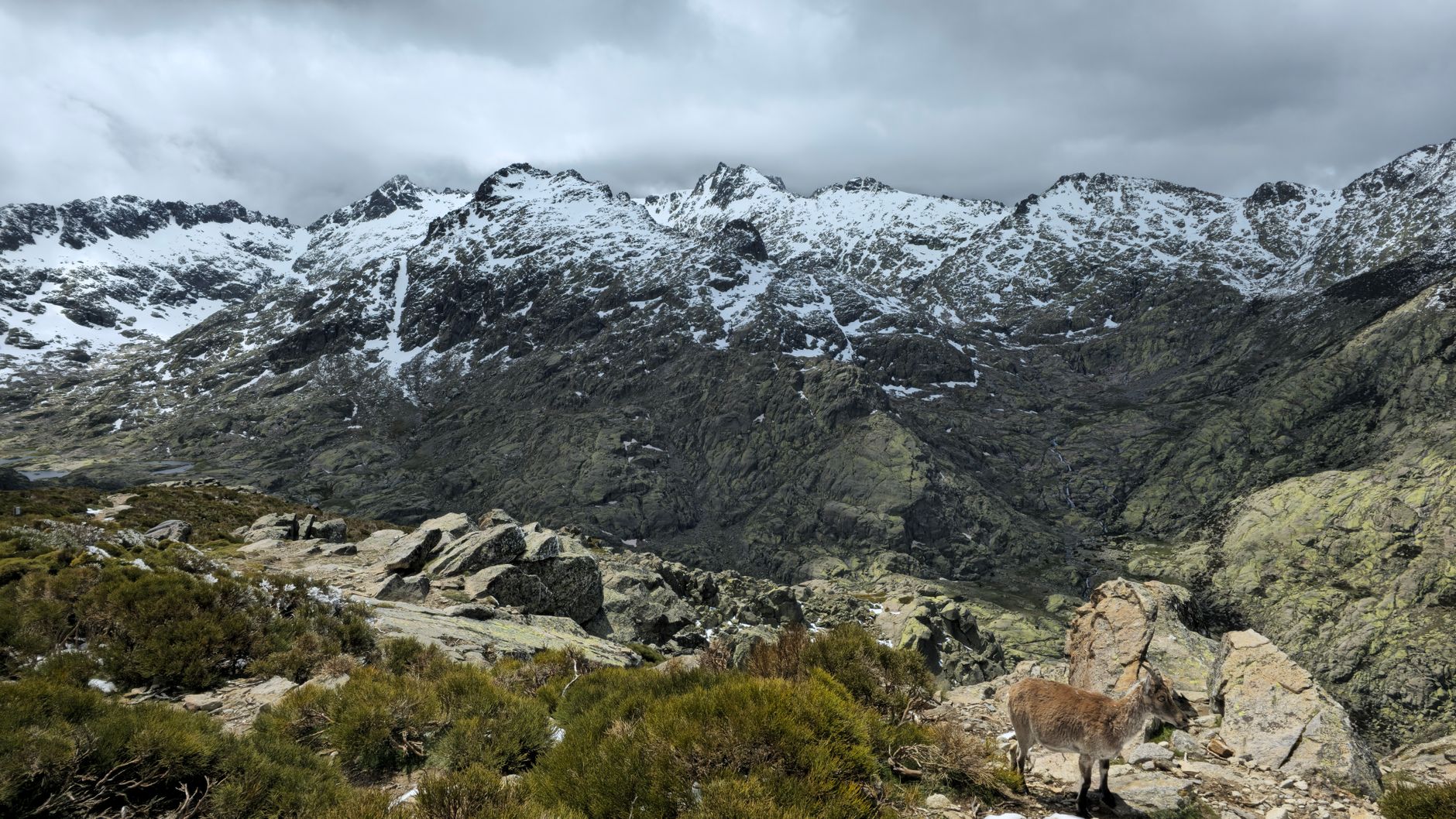
The Gredos ibex lives in the Sierra de Gredos west of Madrid, on granite peaks that exceed 2,500 metres. The landscape is fundamentally different: open, exposed, high and cold in the hunting window. There is less cover, longer sight lines and more raw altitude. Approaches often begin well below the animals and require sustained climbing before the stalk proper begins.
The season for mature males runs in autumn, with the best dates depending on conditions in a given year and on quota allocation. Because the terrain is open granite rather than scrub-covered limestone, the hunt has a more alpine character. Wind management, patience at distance and the ability to cover uneven ground at elevation all carry more weight here. On a clear day the high ridges give views across a large part of central Iberia, which is its own reward.
Physically, Gredos asks more. Not because individual climbs are necessarily longer in time, but because the altitude adds a margin of fatigue that hunters who train at sea level sometimes underestimate. Of the three huntable subspecies, this is the one that benefits most from deliberate cardiovascular conditioning before travel.
Logistics, Season Windows and Trip Pairing
Beceite sits closer to the Mediterranean coast and pairs naturally with a few days in Barcelona, the Costa Daurada or the lower Ebro valley. Gredos is a shorter transfer from Madrid, and it combines well with a red stag rut hunt or a driven partridge day in Castile if the calendar allows. Neither combination is automatic: availability, quota and season windows must all align, and those details are confirmed through a bespoke proposal rather than assumed.
Both hunts fit comfortably into three to four hunting days when weather cooperates. The Beceite area benefits from relatively stable autumn conditions, though the tramontana wind can close windows without warning. Gredos is exposed to rapid weather changes in late autumn and early winter, and a flexible itinerary is an asset rather than a luxury.
Which to Hunt First: A Practical Framework
There is no universal rule, but three questions tend to settle it for most hunters.
- Is this your first mountain hunt in Spain? Beceite's moderate altitude and contained terrain offer a cleaner introduction to the method without the altitude variable. You learn the stalk, the pacing and how Spanish guides read ground before adding elevation on a future trip.
- Are you pairing the ibex hunt with another species? The Gredos region offers more options for combining species in central Spain, particularly big game. If your itinerary already points to Castile or the Salamanca area, Gredos becomes the logical anchor.
- Are you building toward the full Grand Slam? Experienced hunters who have already hunted elsewhere in Europe sometimes prefer to begin with Gredos precisely because it is the most demanding of the three huntable subspecies. They want the hardest day while legs and lungs are fresh to the campaign.
What Both Hunts Share
Whichever you choose first, the structure of the experience is consistent. The hunt is built around the stalk, rooted in fair chase and in the natural behaviour of the animal rather than any artificial arrangement of the ground. Trophy evaluation follows CIC methodology, which rewards horn mass and length in combination rather than length alone. Quota management governs how many animals are available in a given area and season, with those numbers set by regional wildlife authorities, not by the outfitter.
Practical logistics, licences, the temporary import or rental of a firearm, trophy preparation and the paperwork for returning a cape and skull to the United States or Mexico, follow the same process regardless of which subspecies you pursue. The shape of that process is covered in our guides on mountain game and on managing licences and permits for Spain.
The Case for Hunting Both in One Trip
Beceite and Gredos are not close to each other, but they are not an impossible combination within a single extended trip. Hunters with ten to twelve days available sometimes plan both subspecies in sequence, with a travel day between regions and a rest day built in. Whether that works in a given season depends on quota availability in both areas, the calendar window and how the first hunt unfolds. It is worth raising when the initial proposal is being discussed, rather than assuming it is either straightforward or impossible.
If you have dates in mind and a target subspecies, or both, share them with us and we will put together confirmed availability and a proposal shaped around your itinerary.