
Best Month for Each of the Four Spanish Ibex Subspecies
Each Spanish ibex subspecies has its own peak window shaped by rut timing, altitude and regional quota calendars. Here is how the four seasons compare.
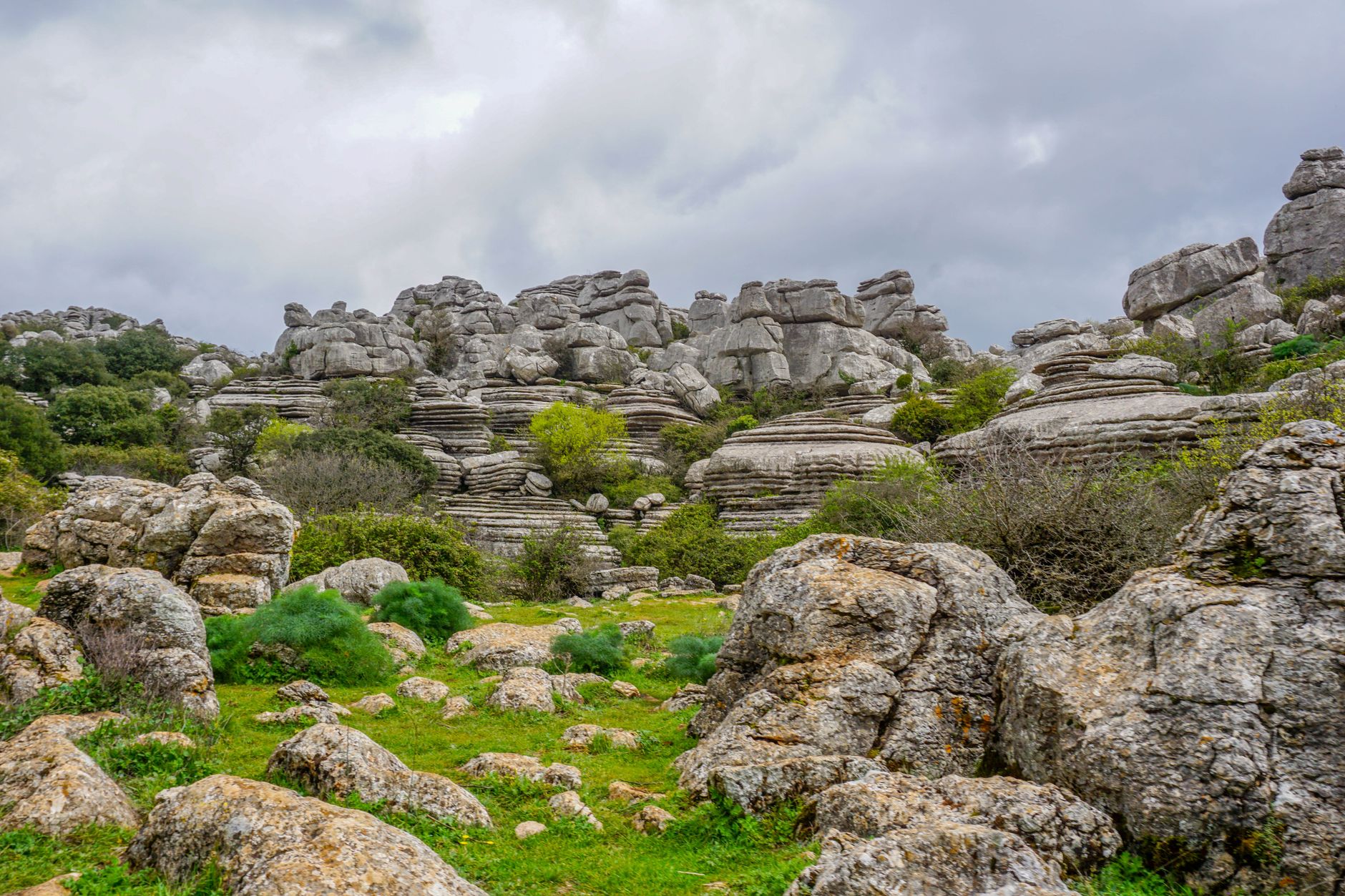
The best month for a Spanish ibex hunt depends entirely on the subspecies. Beceite and Southeastern ibex rut in autumn and winter, Gredos peaks in late autumn, and the Ronda ibex follows a slightly different calendar shaped by its Andalusian terrain. Getting the timing right matters more for ibex than for almost any other Spanish mountain species, because trophy quality, animal behaviour and hunt difficulty all shift with the season.
This guide sets the four subspecies side by side, explaining what drives each calendar and what a hunter actually experiences on the ground at different points of the year. For a broader view of combining all four into a single journey, see the Spanish Ibex Grand Slam guide.
Why Each Ibex Subspecies Has Its Own Best Window
Spain's four ibex subspecies, Beceite, Gredos, Ronda and Southeastern (Sureste), are geographically separated and managed under regional quota systems that vary by autonomous community. Each region sets its own open and closed dates, and those dates can shift from one season to the next. The windows described here reflect the general shape of the season rather than fixed open periods. Always confirm current quota calendars with your outfitter before planning travel.
Beyond regulation, three biological factors determine when a hunt is at its best: the rut, when mature males are most visible and least cautious; velvet shedding, after which horns are at full hardness and length; and weather, which affects both animal movement and the physical demands on the hunter.
Beceite Ibex: The Eastern Sierras in Late Autumn
The Beceite ibex inhabits the limestone ranges of the eastern interior, principally in Teruel, Tarragona and Castellon. The rut typically falls in late November and into December. During this period mature bucks move more openly, cover more ground, and are more likely to be found on exposed ridges and south-facing slopes in the morning hours.
The months leading into the peak also offer solid stalking conditions. The heat of late summer has passed, vegetation has thinned, and temperatures at mid-altitude are comfortable for multi-day mountain work. Snow at the higher elevations is possible from December onward and, while it makes for harder going, it concentrates animals on lower terrain and can make reading tracks and planning an approach considerably easier.
Late October to early December is the primary target window, with the first two weeks of November often cited by local guides as the sweet spot before the rut fully peaks and logistics become more demanding.
Gredos Ibex: November Is the Classic Choice
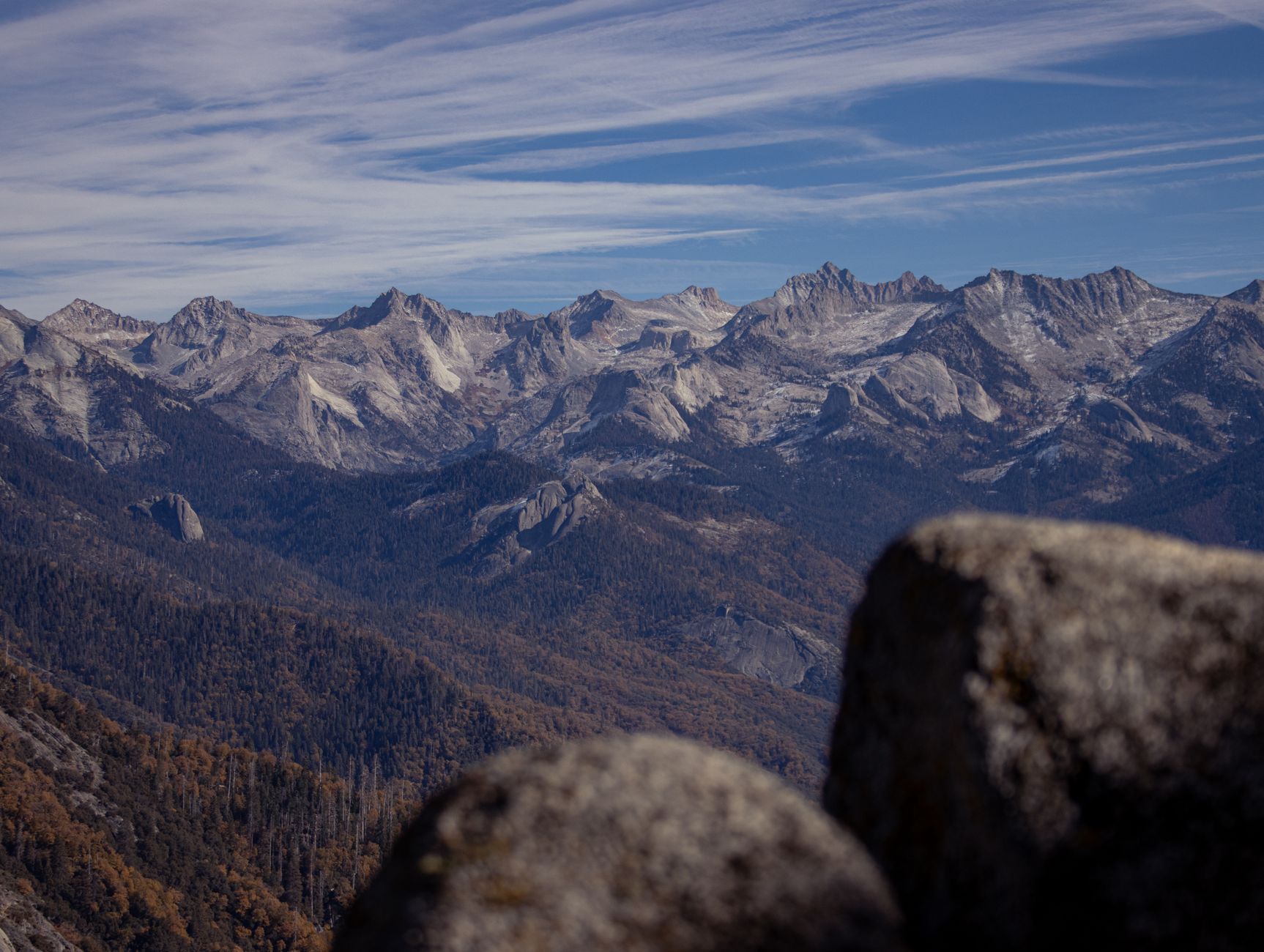
The Gredos ibex lives in the Sierra de Gredos, a granite massif in central Spain west of Madrid. The terrain is higher and more demanding than Beceite, and the rut arrives slightly later, generally building through November and deepening into early December.
What makes November particularly productive here is the convergence of conditions: mature males have shed velvet and their horns are at full development, the rut is beginning to build tension through the population, and the light is clear and long enough for effective glassing across the wide granite bowls the ibex favour. A stalker comfortable at altitude who plans for cold mornings and potentially icy rock will find November the most rewarding month in terms of animal activity.
From September onward the terrain is kinder in terms of temperature, though animals at this stage are less animated and harder to locate across the broad high plateaux. Later in December, snowfall can close access routes or complicate logistics depending on the year.
Ronda Ibex: Winter Hunting in Andalusia
The Ronda ibex occupies the ranges around the Sierra de las Nieves and the sierras above the Costa del Sol. Its season sits further into winter than the other subspecies, with the rut running broadly from late November through January.
The practical advantage here is climate. Andalusia's winters are milder than Gredos or Beceite at comparable altitudes, and the combination of mountain hunting with proximity to the coast makes the Ronda hunt attractive to hunters who want to bring a companion or extend the trip into a broader Andalusian itinerary. Hunters considering that angle may find the guide on mountain game in Spain a useful reference alongside the specific Ronda information.
December and January tend to offer the most settled conditions in this region. Animals are in peak condition, the rut concentrates older males in predictable areas, and the lower vegetation density of winter makes long-range glassing across the limestone scarps considerably more productive.
Southeastern Ibex: An Extended Season with Flexible Windows
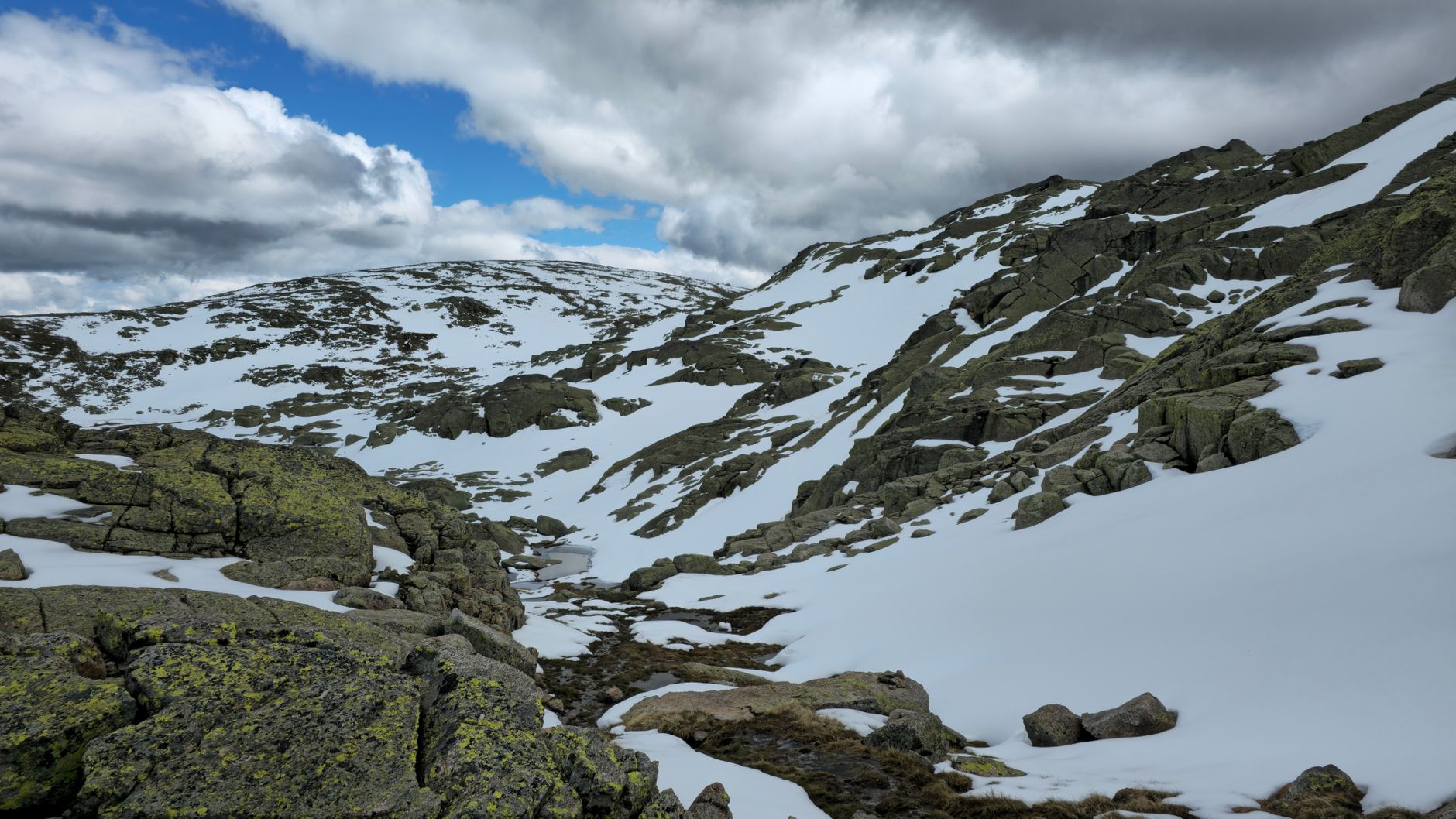
The Southeastern ibex (Sureste) ranges across Murcia, Almeria and parts of the southern Levante, in drier, lower-altitude terrain than the other three subspecies. Its season is typically the longest and most flexible of the four, often opening in early autumn and running well into winter depending on the specific concession and regional quota.
The rut generally runs from October through December, with some variation by location and elevation. Because the terrain is less alpine, hunting is physically more accessible and suits a wider range of hunters, including those for whom a Gredos-level mountain commitment is not practical. That accessibility also makes the Southeastern ibex a natural choice for a first ibex hunt or as a complement to a Grand Slam itinerary where variety of terrain is part of the appeal.
October and November represent a productive middle ground: the rut is building, temperatures are comfortable, and the stark semi-arid landscape provides long sight lines for both hunter and guide. Later winter months are viable but can be warmer and more variable at the lower elevations of this region.
Planning Around More Than One Subspecies
For hunters pursuing the Grand Slam, the calendars above suggest a natural sequence. A journey built around late October to January can, in principle, incorporate all four subspecies, moving from Southeastern in autumn through Beceite and Gredos in November and reaching Ronda in December or January. The practical challenge is not the biology but the logistics: quota availability, travel between regions and the number of hunting days each concession requires.
Combining subspecies in a single trip demands early planning, since quota allocations in the most productive concessions are confirmed well ahead of the season. A bespoke proposal from a Spanish outfitter with direct access to those grounds is the most reliable way to build a coherent itinerary, rather than assembling it from individual bookings.
Hunters wanting to understand the physical demands of moving between these regions in a short window may also find the guide on hunting seasons in Spain useful for cross-referencing dates with other species that might complement the trip.
What to Confirm Before You Book Any Ibex Hunt
- Current season dates: regional quotas are set annually and can shift. Confirm open dates for the specific autonomous community and concession.
- Altitude and fitness demands: each subspecies presents different physical requirements, and the right month also depends on the hunter's comfort in cold or icy conditions.
- Trophy classification: if CIC scoring is a priority, ask your outfitter which concessions are known for producing well-developed mature animals in the target month.
- Companion options: some regions, particularly Ronda and the southeast, lend themselves well to non-hunting companions given proximity to other destinations.
When you are ready to plan, share your preferred months, the subspecies you have in mind, and whether you are coming as a solo hunter or with a group. We will come back with confirmed availability and a proposal built around the right window for each animal on your list.