
Bringing a Spanish Trophy Home to the US: The Paperwork in Plain Terms
From the field to your wall in Texas or Montana: a plain-language guide to every document, permit and shipping step involved in bringing a Spanish hunting trophy home to the United States.
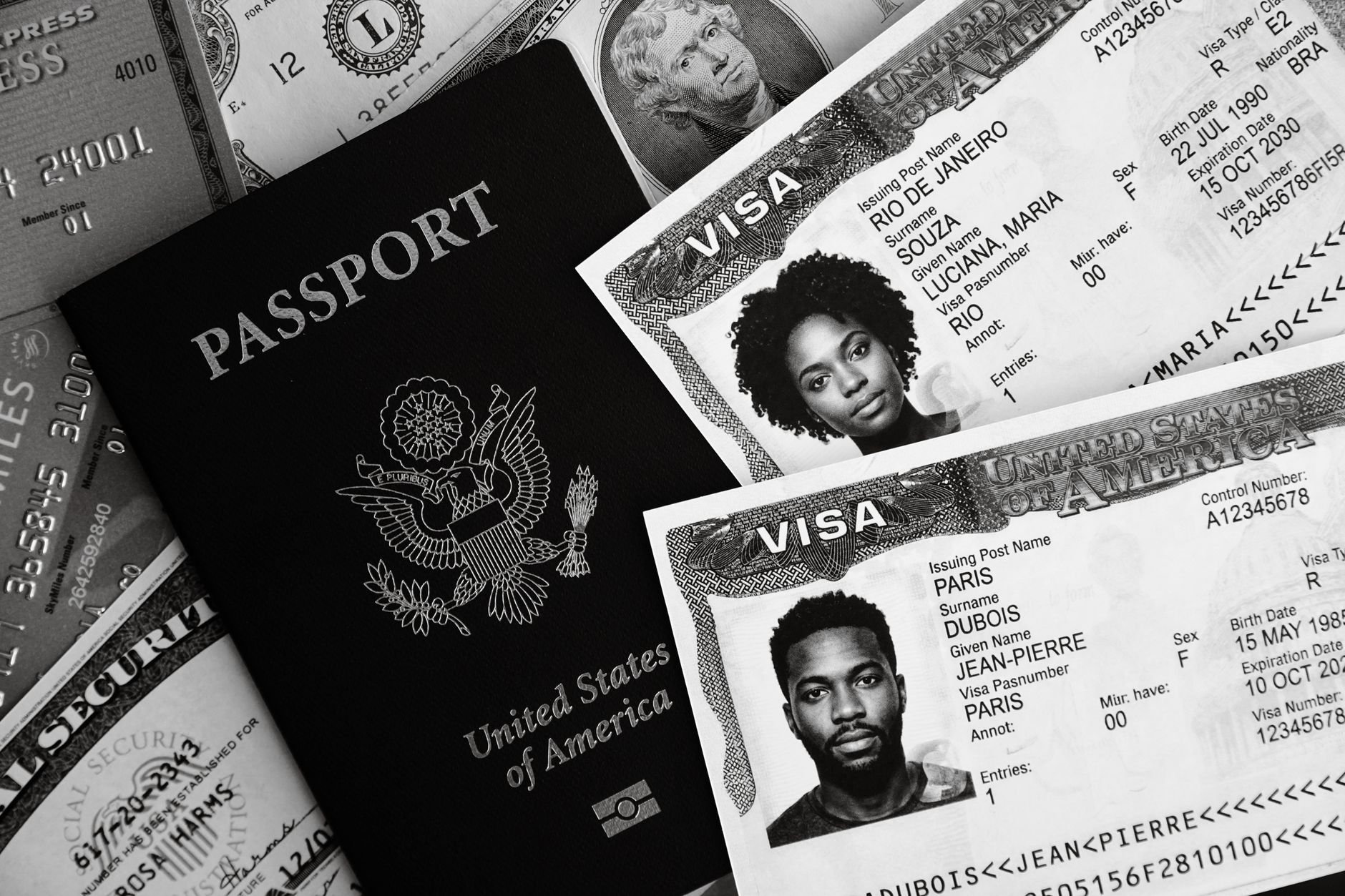
Bringing a hunting trophy from Spain to the United States is straightforward for most species and more involved for one. The short version: Spanish ibex, red deer, chamois, fallow deer, mouflon and wild boar are not CITES-listed and travel with a veterinary certificate and legal-origin paperwork. The aoudad (Barbary sheep, Ammotragus lervia) is listed on CITES Appendix II and needs a CITES export permit from Spain before it can be shipped. Knowing which category your trophy falls into before you hunt shapes the timeline and the paperwork your outfitter needs to set in motion.
The guides already published here cover caping, dipping and shipping from the Spanish side and which hunts need no CITES permit at all. This guide picks up where those leave off: the US entry side, the agencies involved, and how the document chain fits together from the moment a trophy is prepared in Spain to the moment it clears US customs.
The Two Document Chains: CITES and Non-CITES Species
Non-CITES trophies: Spanish ibex, red stag, chamois and the others
For the species that are not CITES-listed, the Spanish side produces a veterinary certificate and the legal-origin paperwork from the hunt. On the US side, the import is declared to the US Fish and Wildlife Service (USFWS) on Form 3-177 at a designated port, and USDA APHIS has sanitary rules that depend on whether the trophy arrives raw or finished. The specific forms and port-of-entry requirements should be confirmed with your shipping agent and with USFWS for the current season, since procedures are updated periodically and vary with how the trophy is processed, whether raw, dipped or fully tanned.
Aoudad: the CITES Appendix II process
Because the aoudad is listed on CITES Appendix II, Spain's CITES Management Authority must issue an export permit before the trophy is shipped. On the US side, the trophy is declared on Form 3-177 at a designated port; whether a separate import permit applies is something to confirm with your US broker before the hunt. Processing time for the Spanish permit varies with the authority's current workload and with whether all harvest documentation is complete when the application goes in. This is one reason an aoudad hunt needs to be planned with enough lead time: the permit cannot be rushed, and the trophy cannot legally leave Spain without it. Huntex arranges the Spanish side of this process as part of the hunt; confirming the current timeline with the outfitter before you book is well worth doing.
What Trophy Preparation Means for the Import
How a trophy is prepared in Spain directly affects what US agencies inspect and what documentation travels with the shipment. A skull cap cleaned to bare bone is treated differently from a raw cape. A fully tanned hide or a European mount that has been dipped and dried occupies yet another category under USDA APHIS biosecurity rules. The practical consequence is that the choice between a European mount, a full shoulder mount prepared in Spain, or shipping a raw cape to your taxidermist at home is not purely aesthetic: it changes the inspection requirements and can affect how long the shipment sits at the port of entry.
The guide on taxidermy preparation in Spain covers the Spanish side of this decision in detail. The key point here is that whatever form the trophy travels in, the accompanying documentation must match it exactly. A mismatch between the paperwork and the actual condition of the material is an avoidable cause of delay at US entry.
Ports of Entry and USFWS Declaration
Wildlife imports into the United States are declared to USFWS on Form 3-177 at a designated port. The list of designated ports and the current procedure are maintained by USFWS, so confirm them with your broker before the shipment is arranged. If you plan to fly home with a finished trophy in your baggage rather than ship it as freight, confirm that procedure with USFWS or your broker before you travel.
For hunters returning from Spain as passengers rather than shipping freight, the practical question is whether the trophy is in a condition that meets both airline and agricultural rules for hand carry or checked baggage. Raise that directly with the outfitter and your airline before departure.
Questions People Ask About Spanish Trophy Import
Do I need a CITES permit to bring a Spanish ibex into the United States?
No. Spanish ibex are not listed on CITES, so no CITES permit is required. The core requirements are the Spanish veterinary certificate and legal-origin paperwork, and the USFWS declaration (Form 3-177) at a designated US port. Confirm the current specifics with your outfitter before the season.
Is the aoudad from Spain CITES-listed?
Yes. The aoudad (Barbary sheep, arrui) is listed on CITES Appendix II. It needs a CITES export permit from Spain and is declared on Form 3-177 at a designated US port; confirm with your US broker whether an import permit applies. See key facts about hunting in Spain for which Spanish species are CITES-listed.
Who handles the Spanish export paperwork?
The outfitter coordinates the Spanish side: the legal-origin paperwork, the veterinary certificate and, where applicable, the CITES export permit. The hunter or their US-based shipping agent handles the import declaration and any USDA inspection requirements on arrival.
How long does it take for a Spanish trophy to arrive in the US?
Transit and clearance time depends on how the trophy is processed, which shipping route is used and whether CITES permits are involved. There is no figure that holds true across the board; ask the outfitter at the planning stage so you have a realistic picture before you book.
The Role of a US Broker
Many international hunters use a US broker or their taxidermist to handle the import side: USFWS Form 3-177, the USDA APHIS rules for raw or finished trophies and, for aoudad, the CITES paperwork. We prepare the Spanish documents and coordinate with whoever you choose. A broker reduces the risk of documentation errors and can anticipate inspection requirements that vary by trophy type. Asking the outfitter whether they work with a reputable agent, or can suggest one, is a sensible question at the proposal stage.
US hunters planning their first trip to Spain will find the broader logistics covered in the hunting in Spain from the USA section, and the full picture of what Huntex arranges from the Spanish side is outlined on the about page.
Planning the Paperwork into the Hunt, Not After It
Trouble at US entry usually comes from paperwork left until after the hunt, or from a species whose CITES status was never checked. The remedies after the fact are expensive and slow. The remedy before the fact is a single conversation with the outfitter at the planning stage: confirm the species, the trophy form, the shipping method and which documents will travel with the shipment.
If you are combining species on one trip, a Spanish Ibex Grand Slam alongside an aoudad for instance, the CITES and non-CITES paperwork runs in parallel and needs to be coordinated from the start rather than untangled at the end.
Tell us your target species and preferred travel window and we can send confirmed availability alongside a clear picture of what the document chain looks like for your specific hunt.