
Your First Hunt in Spain: A Practical Guide for American Hunters
Spain offers American hunters a range of species and hunting styles unlike anywhere else. Here is what the first-time visitor needs to understand before booking.
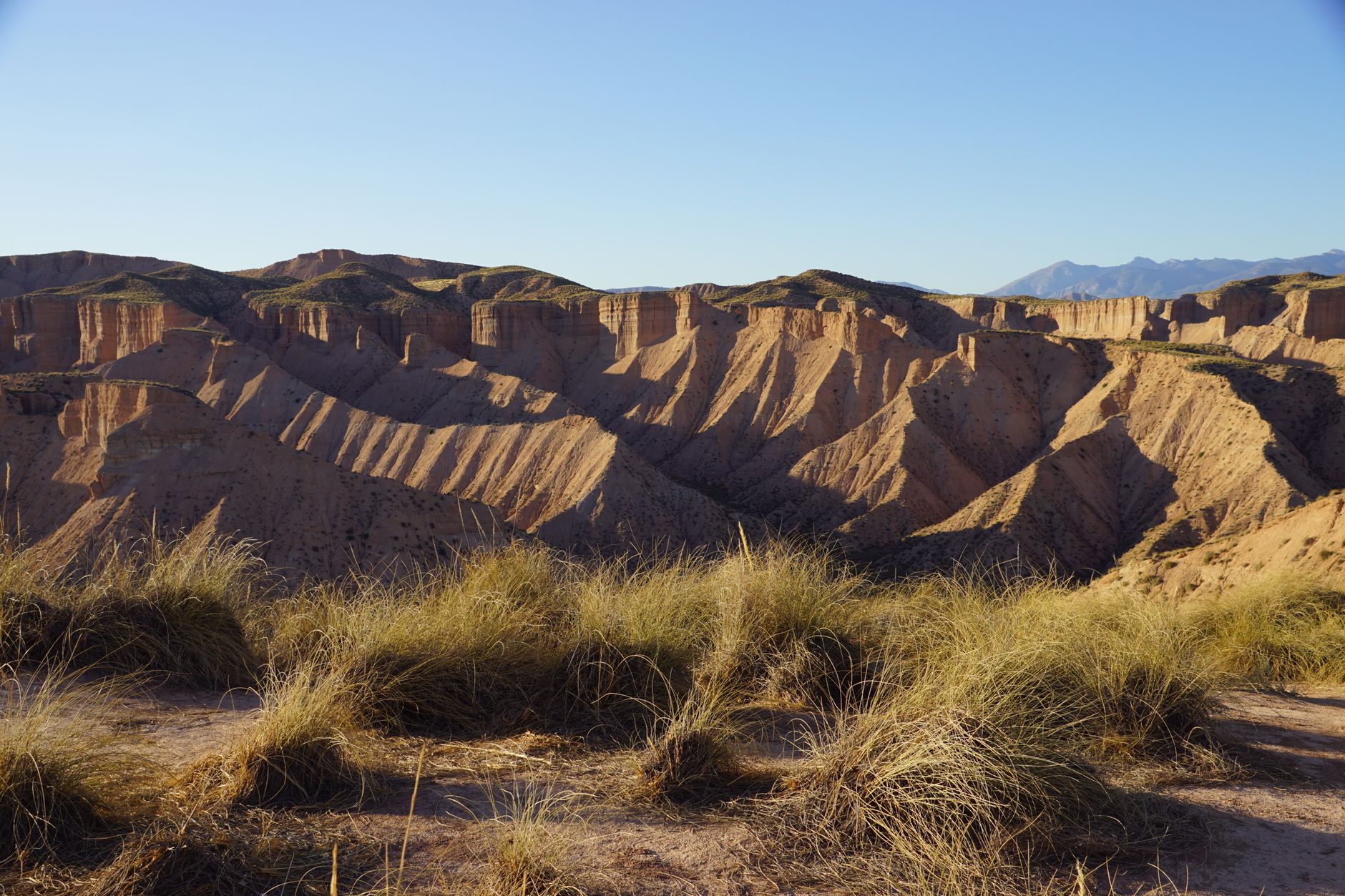
For an American hunter arriving in Spain for the first time, the experience is genuinely unlike anything in North America or Africa. The terrain is steep and varied, the legal framework is regional rather than federal, the hunting traditions carry centuries of weight, and the species, particularly the four subspecies of Spanish ibex, exist nowhere else on earth. Getting the most from a first trip means understanding the shape of the process well before you board a flight.
This guide covers what a first-time visitor from the United States needs to think through: species selection, timing, paperwork, what actually happens on the ground, and how the experience compares to what most American hunters are used to.
Choosing the Right Species for a First Hunt in Spain
The most honest advice for a first trip is to choose one species that genuinely excites you, then plan everything else around it. Spain offers far more than a single target, but trying to combine too many hunts in one visit tends to leave a hunter feeling rushed rather than satisfied.
Spanish Ibex
The Spanish ibex grand slam is the ambition that draws many American hunters to Spain in the first place. Four subspecies, four distinct mountain ranges, each with its own terrain and character. Most first-time visitors start with one subspecies to get a feel for the style of hunting before committing to a multi-region campaign. The Beceite ibex in the northeast and the Gredos ibex in central Spain are popular choices for a first stalk because the terrain, while demanding, is accessible to a hunter of reasonable fitness. Both involve glassing from elevation, picking out the right animal, and a careful approach on foot. Trophy quality is assessed under CIC criteria, which differ meaningfully from the SCI or Boone and Crockett systems most American hunters know.
Red Stag and Driven Hunts
If high-country stalking is not the priority, Spain offers strong alternatives. The red stag rut in autumn is one of Europe's great wildlife spectacles, and hunting it during the roar is an experience that stands entirely on its own. For hunters who want a social, high-volume shooting day, driven red-legged partridge or a driven wild boar monteria offers a completely different but equally traditional format. These are not solitary pursuits. They are organised around a cast of beaters, dogs and fellow guns, with deep roots in Spanish rural culture.
When to Come: Seasons and Windows
Spain's hunting calendar runs from late summer through early spring, but the right window depends entirely on the species and region. Ibex seasons vary by subspecies and autonomous community, stag rut hunting concentrates in September and October, partridge drives typically run from October through February, and the monteria for wild boar and mixed driven game follows its own regional calendar. All of these dates, and any quotas that apply, must be confirmed for the current season because they are set at the regional level and can change. A general overview of what opens when is available on the seasons page.
For a first visit, it is worth thinking about travel comfort alongside hunting dates. Spring ibex seasons in southern Spain can offer mild days and clear skies. Autumn stag hunting means early mornings and the unforgettable sound of a stag roaring across a valley. Neither is the wrong choice; they are simply different experiences.
Documents, Permits and Your Rifle: What the Process Looks Like
American hunters are sometimes surprised by how structured the administrative side of hunting in Spain is. There is no single national hunting licence; authorisation is granted at the regional level, and requirements vary between autonomous communities. In practice this means obtaining the appropriate regional licence, a liability insurance document, and where the species or region requires it, a specific permit or quota assignment. None of these details should be treated as fixed from one season to the next; what applies in Castilla y León may differ from what applies in Andalusia or Aragon, and your country of origin can affect the specifics as well.
Bringing your own rifle is straightforward in principle but requires planning. A temporary import permit must be arranged before departure, and the airline, port of entry and customs procedure each have their own requirements. If you would rather not travel with a firearm, rental can be arranged through the outfitter. Ammunition is a separate consideration, as certain types widely available in the US may be regulated or restricted in Spain. All of this is worth discussing directly with the outfitter during the planning stage, because the answers depend on your specific situation and the current rules.
More detail on the licence and permit framework is available in the guide to hunting in Spain from the USA.
What Actually Happens When You Arrive
Arrival is typically into Madrid, though hunts in southern Spain may route through Malaga or Seville. The transfer from the airport to the hunting zone can be anywhere from one hour to four or more depending on the region, and that first drive is often when the scale and variety of the Spanish landscape begins to register.
Lodging is selected to match both the hunting ground and the hunter's preferences. Spanish rural estates, called fincas, often have lodge accommodation attached; in other cases the base is a nearby hotel or parador. Meals are a serious part of the experience. Spanish hunting culture places genuine value on the table: local cured meats, regional wine and long dinners where the day is reviewed and the next one planned.
On a mountain stalk, days begin before light. A local guide who knows the ground and the animals on it leads the approach and the glass. Decisions about which animal to pursue are made carefully and without pressure. On a driven hunt the rhythm is different: guns are placed at their posts, beaters and dogs work through the cover, and the hunter's job is to identify legal game quickly and shoot safely within the rules of the ground.
Trophy preparation, export paperwork for the US market, and advice on shipping and taxidermy are all handled by Huntex, so those details do not fall to the hunter to sort out alone.
How a First Trip Differs from Hunting at Home
American hunters sometimes arrive expecting the pace and independence of Western public-land hunting. Spain works differently. Access to hunting ground is privately managed or controlled through concessions, guides are required in most regions, and the legal framework is closely observed. That structure is not a constraint; it is what keeps the resource sustainable and the experience consistent. The animals exist in the numbers they do because the system is managed that way.
Fair chase and tradition are taken seriously. The CIC framework, which governs trophy assessment across Europe, reflects a conservation ethic that most visiting hunters find compatible with their own values once they understand it. A brief overview of how CIC scoring works is available in the glossary.
Planning Your First Spanish Hunt
The most useful thing a first-time visitor can do, before any other step, is to have a direct conversation with the outfitter. Not a general enquiry form, but a real exchange about which species, which region, which window and what level of physical demand is realistic. That conversation shapes everything that follows, from the proposal to the logistics to the days on the ground.
If you have dates in mind and a species you want to pursue, send them through and we will put together confirmed availability and a proposal built around your specific trip.