
Glassing and Stalking a Spanish Ibex: How the Hunt Works
Spanish ibex hunting is built almost entirely on spotting and stalking in steep mountain terrain. Here is how a typical day in the field actually unfolds.
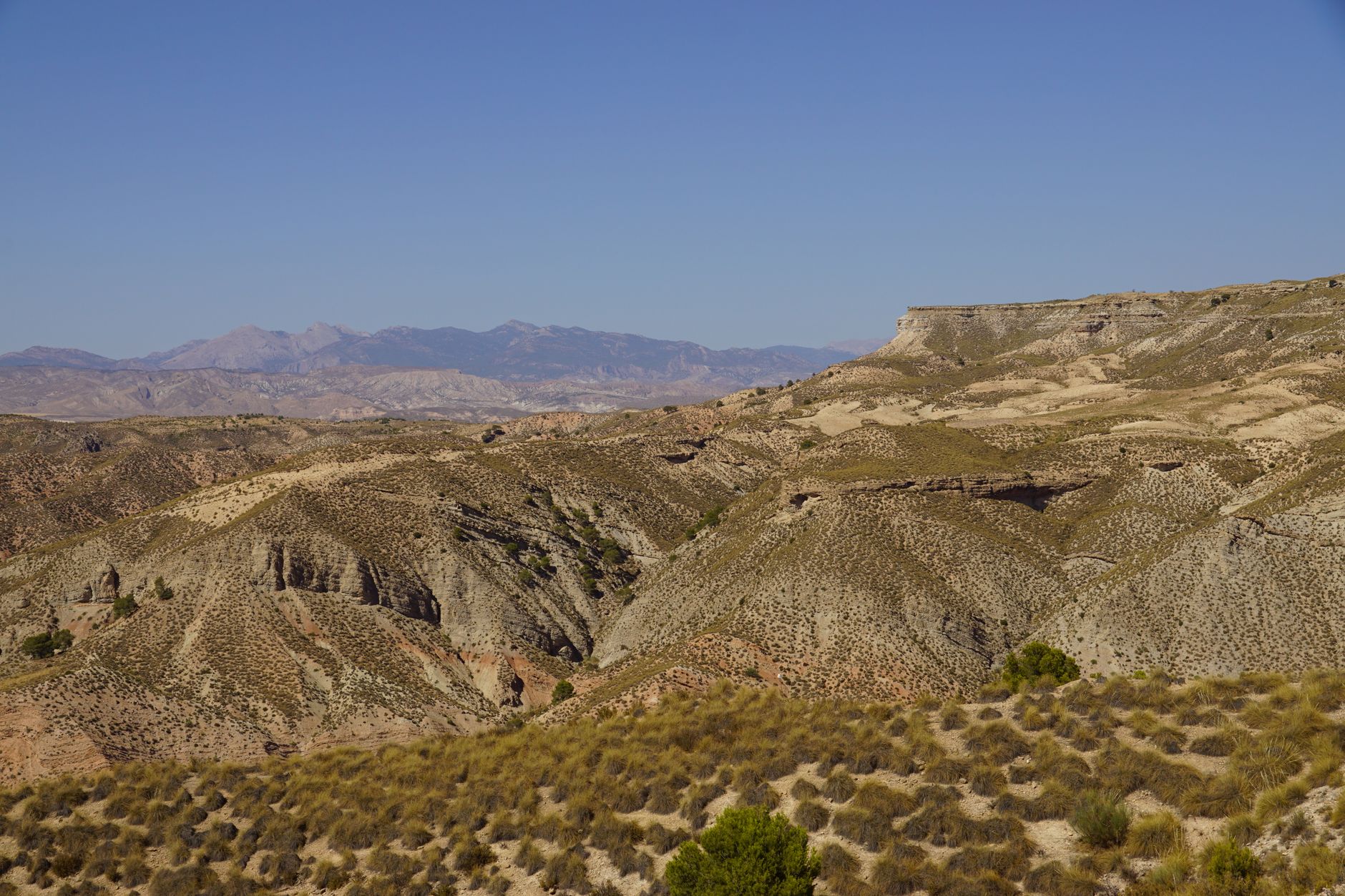
A Spanish ibex hunt is, at its core, a glassing and stalking hunt. The method is straightforward to describe and demanding to execute: find a mature animal from distance using optics, read the terrain, close the gap on foot without being detected, and take a single, considered shot. That sequence, repeated over several days of high-country walking, is what the hunt actually is. The lodging, the logistics, the tradition, all of it exists in support of those moments on the mountain.
Understanding the technique before you arrive makes a measurable difference to how you experience the hunt and how useful you are to your guide in the field.
Why Glassing Comes Before Everything Else
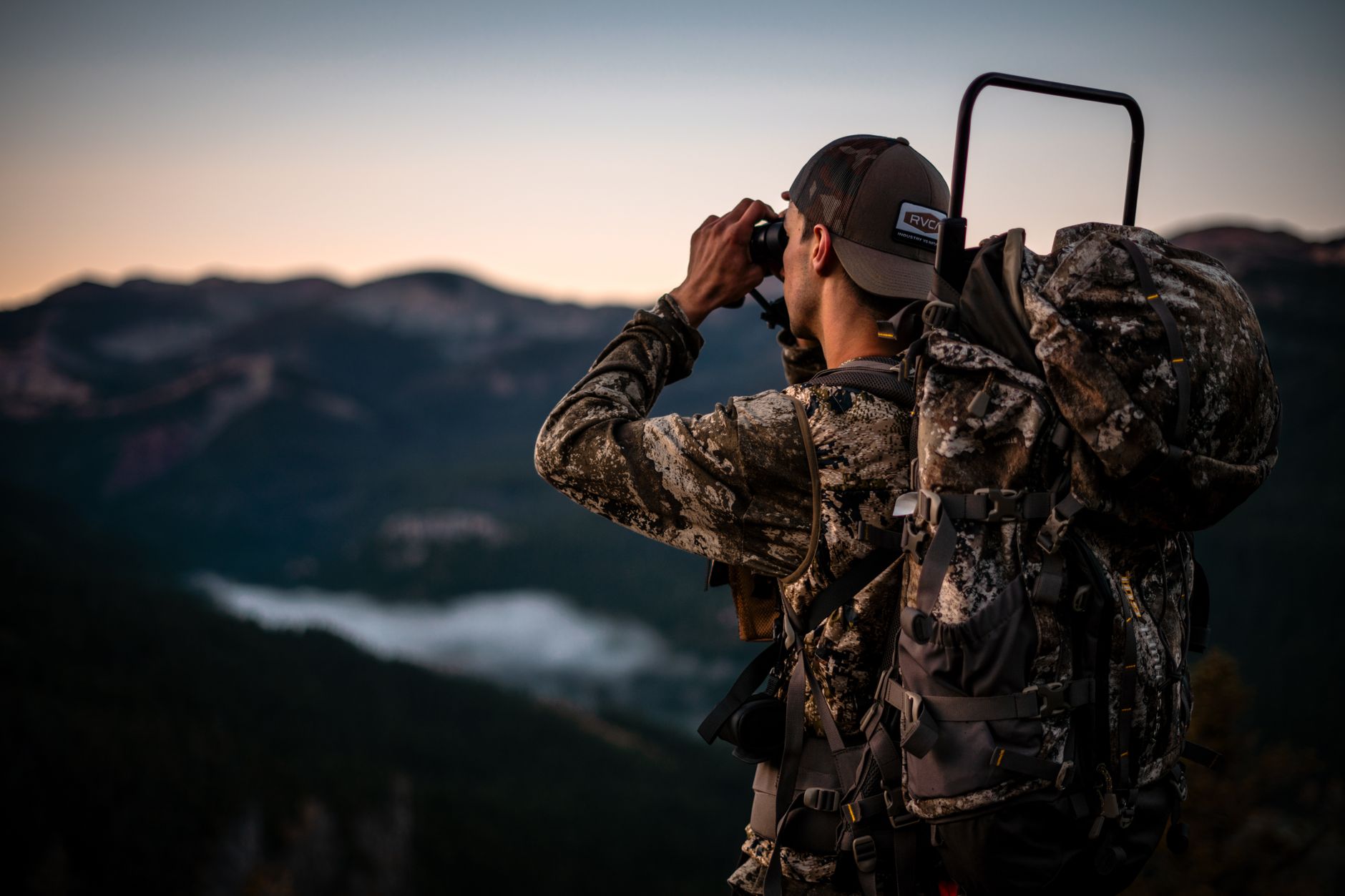
Spanish mountain terrain rewards patience with optics above all other skills. Ibex are not forest animals encountered at close range by chance. They live on exposed limestone ridges, in canyon systems and on broken rocky slopes where a hunter approaching without prior knowledge of the animal's position will almost certainly be seen, heard or smelled before any shot is possible.
The day typically begins well before first light. Guide and hunter move to an elevated vantage point, often one the guide has used for years and knows to offer both wide sight lines and a quiet approach. Once settled, the work is slow. A spotting scope goes up, binoculars sweep large areas of ground, and the guide applies years of knowledge about where ibex tend to rest and feed at different times of day and in different weather. Even so, finding the right animal can take most of a morning.
The four recognised subspecies each inhabit their own range and terrain. Beceite ibex live in the wooded limestone massifs of the Maestrazgo. Gredos ibex occupy granite highlands above the tree line in Castile. Southeastern ibex range across the coastal sierras of Murcia and Almeria. Ronda ibex are found in the karstic hills of western Andalusia. The glassing approach is consistent across all four, but the distances, the gradients and the wind behaviour vary significantly by region, and your guide will adjust the plan accordingly.
Reading Wind and Terrain on the Approach
Once a suitable animal is located, the stalk begins with a conversation. Guide and hunter study the ground between their position and the ibex, identifying the route that offers the best cover, the most favourable wind angle and a realistic shooting position at the end. On technically difficult ground this can take fifteen minutes, and the plan will be revised during the approach if conditions change.
Wind is the single most important variable. Ibex have an acute sense of smell that will end a stalk instantly if the hunter's scent reaches them. Spanish mountain terrain creates complex, shifting air currents, particularly in canyon systems where thermals rise and fall with the sun. Experienced local guides understand these patterns in specific locations and will hold a stalk, or abandon it and restart from a different angle, rather than push forward into a bad wind.
Cover on the approach varies by terrain. In the Gredos, granite boulders provide good concealment at close range. In the Beceite, scrub oak and rosemary offer broken lines of sight but noisy footing. In the southeastern ranges, the final approach often crosses open, pale ground where movement must be extremely slow. Your guide will set the pace and the posture. Following those cues precisely matters more than physical speed.
Shot Distances and Shooting Positions
Shooting distances on a Spanish ibex stalk vary considerably. Some stalks end at under a hundred metres in tight terrain. Others, on open high-country ground, conclude at two hundred metres or beyond. A hunter who has practised from field positions, kneeling, sitting with a pack rest, prone on uneven ground, will be better prepared than one whose range work has been entirely from a bench.
Shooting sticks are commonly used and the guide will carry or deploy them. The shot itself is typically taken on a natural pause in the animal's movement, when it is standing broadside or at a slight angle. The guide will confirm the animal is the agreed target and that conditions are right before any shot is fired. There is no pressure to rush. If the window closes, the stalk may be attempted again or the day continues with a fresh search.
For calibre guidance relevant to this kind of hunt, the article on rifle calibres for Spanish mountain game covers the practical options in detail.
How the Days Are Structured
A typical hunting day follows a rhythm that most experienced mountain hunters will recognise, though the specifics depend on the region, the season and the conditions that week.
- Pre-dawn departure: leaving the lodge while it is still dark to reach the glassing position at first light, when ibex are most actively moving.
- Morning glass: systematic observation from one or more vantage points, often lasting two to three hours.
- Midday rest: during summer and early autumn seasons, ibex bed down in shade during the middle of the day. This is the time to eat, rest and plan the afternoon.
- Afternoon movement: ibex become active again in the late afternoon, often moving to feed on south-facing slopes before dusk.
- Return to lodge: usually at or after dark, with field notes exchanged and the following day's plan discussed over dinner.
The number of days allocated to the hunt matters. A single day is a lottery. Three or four days in the same range, with a guide who knows the ground, gives the hunt the time it deserves. The article on how many days you actually need for a Spanish hunt addresses this directly.
Hunters considering more than one subspecies can find a broader overview in the guide to the Spanish ibex grand slam. The full range of mountain game in Spain is listed with season information and terrain notes.
What Your Guide Brings to the Field
The local guide's contribution goes well beyond navigation. Knowledge of individual animal home ranges, seasonal movement patterns, the microclimate behaviour of a specific canyon at a given time of year, and years of reading the ground at close quarters are things that no amount of general preparation can replicate. The relationship between hunter and guide on a stalk is genuinely collaborative: the guide reads the ground and the animal, the hunter executes the shot. Both need to be paying attention throughout.
If you have a window in mind and a target subspecies, share both with us and we will send you confirmed availability along with a proposal covering the most suitable grounds, the right time of season and a companion programme if you are travelling with a non-hunting guest.