
How Fit Do You Need to Be for a Spanish Ibex Hunt
A Spanish ibex hunt is a mountain stalk, not a walking safari. This guide explains the true physical demands by subspecies and how to prepare without overestimating or underestimating the challenge.
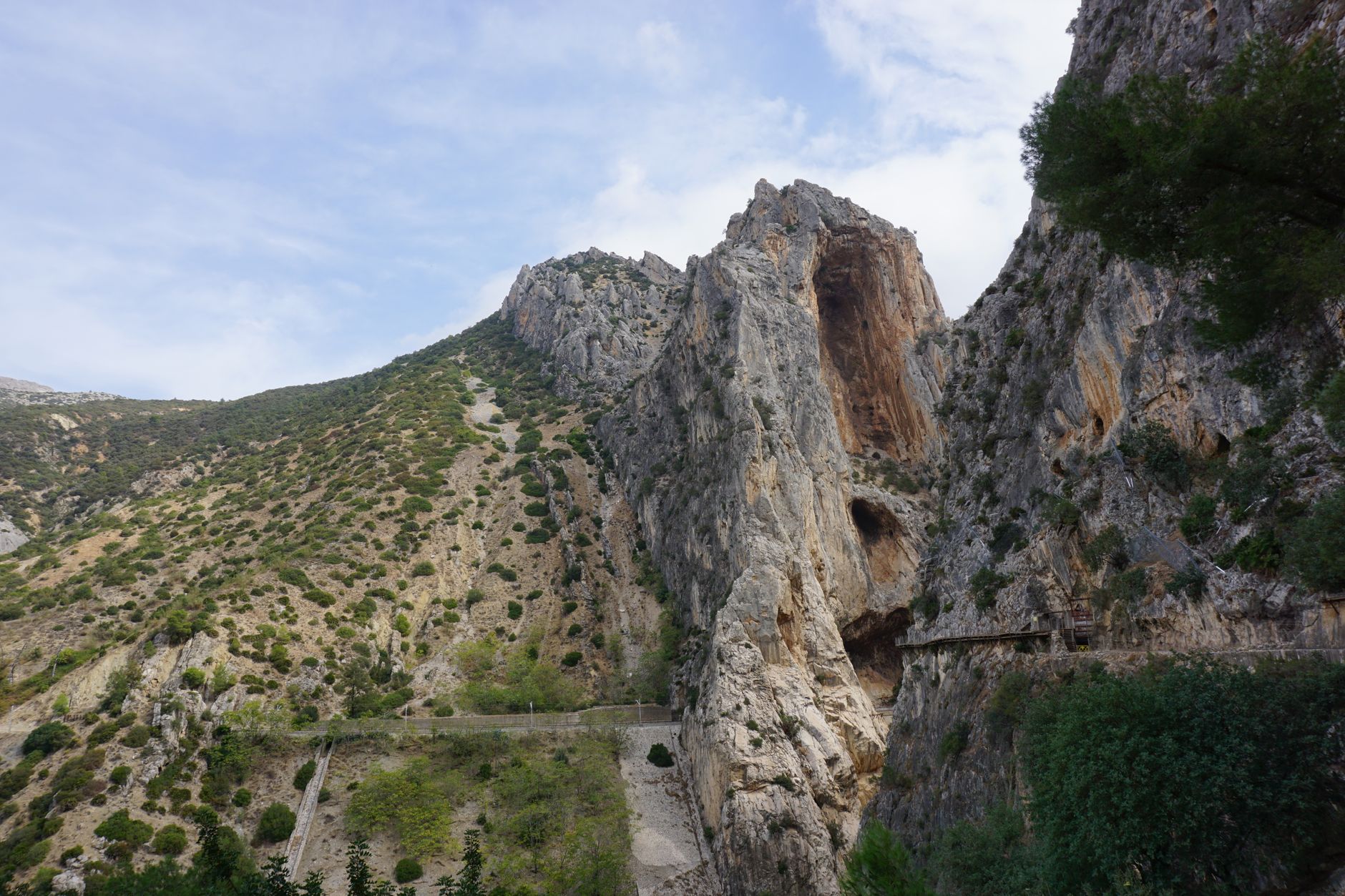
A Spanish ibex hunt is a genuine mountain stalk. Depending on which subspecies and which range you are hunting, you can expect steep ascents, loose rock, real altitude and long hours on your feet before a shot presents itself. The fitness required varies meaningfully between the four subspecies, but no ibex hunt is flat, and none rewards a hunter who has not prepared the legs and lungs before arriving.
This guide is not about discouraging anyone. Hunters of many ages and fitness levels take ibex in Spain every season. The aim is honest, practical calibration so that you arrive prepared, enjoy the days in the field and give yourself the best chance of a composed shot when the moment comes.
What the terrain actually demands
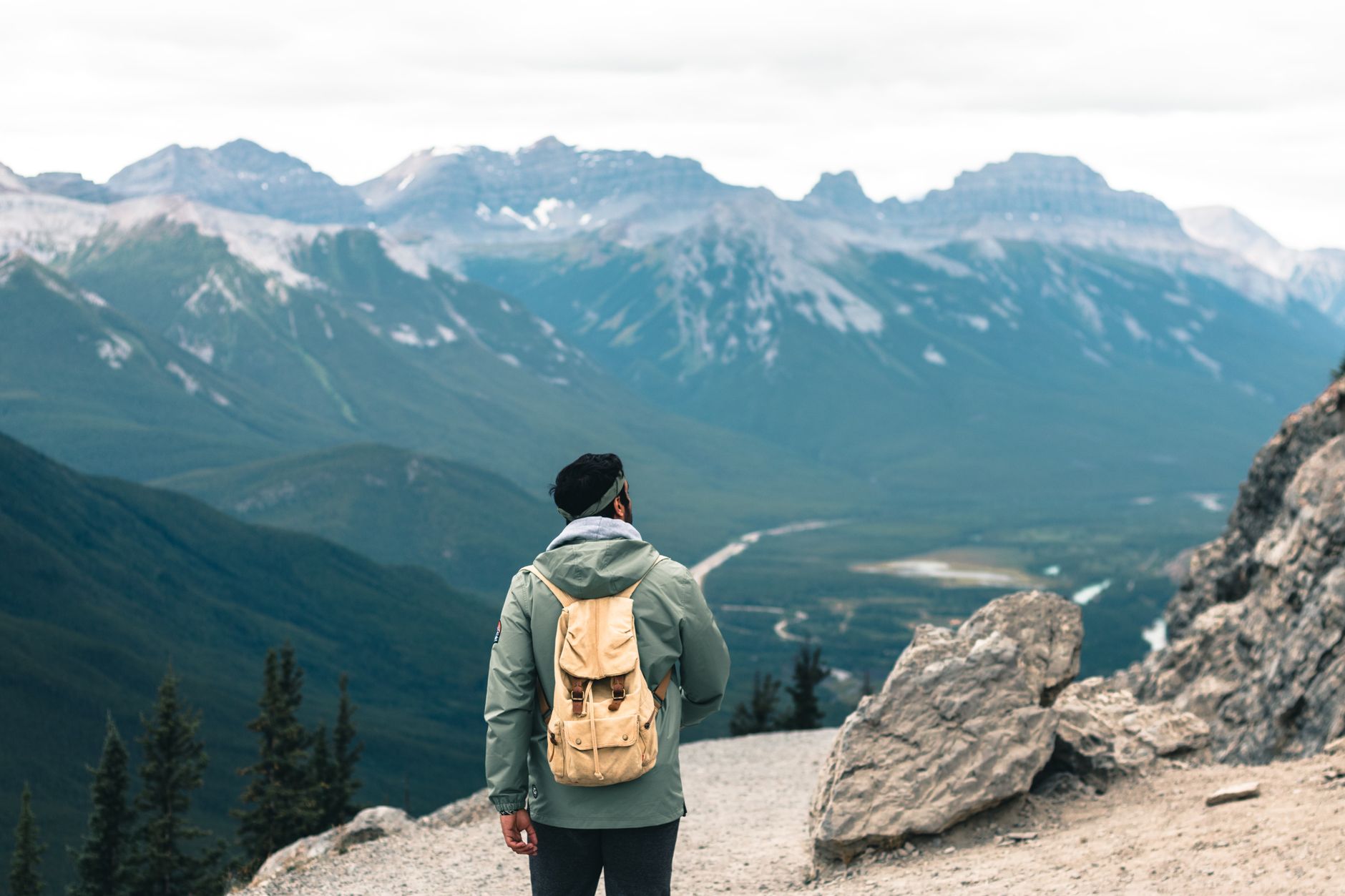
Ibex live where hunters without four legs find it hard to follow. That is the point. The animal chooses ground that offers visibility, escape routes and natural shelter, which means the hunter must move through the same landscape on foot, often before dawn and often where there is no path.
A typical day begins early and may involve two to four hours of approach, a period of glassing and waiting at altitude, then a stalk that can mean crawling, crouching and moving slowly across exposed rock. The return to the vehicle adds further time on the legs. Distances covered in a day are rarely extreme by trail standards, but the elevation change and the technical nature of the ground make the effort disproportionate to the kilometres.
Guides adapt their pace to the hunter, and no reputable outfitter pushes a dangerous rhythm. That said, if a guide has to slow the stalk to protect a hunter who is already spent, the ibex does not wait.
Physical demands by subspecies and range
Beceite ibex: Mediterranean limestone, moderate gradients
The Beceite ibex inhabits the limestone massifs of the eastern interior, terrain that is rocky and exposed but generally less extreme in elevation than the other ranges. Ascents are real and the footing uneven, but a hunter in reasonable walking shape who exercises regularly can manage a Beceite stalk without specialist mountain conditioning. It is still a mountain hunt, not a stroll, and it is generally considered the most accessible of the four in physical terms.
Gredos ibex: granite high country, longer approaches
The Gredos range sits at higher elevations and the terrain is more demanding. Granite boulders, longer approaches and thinner air make this a clear step up from Beceite. A hunter targeting Gredos should be comfortable walking uphill for two or three hours with a daypack. Cardiovascular fitness matters here as much as leg strength.
Ronda ibex: Andalusian sierra, variable and technical
The Ronda subspecies occupies the rugged sierras of southern Spain. Some areas offer shorter approaches, others require a serious commitment to elevation. Conditions can shift quickly, with heat early in the season and cold, wet rock later on. Ankle stability and confidence on loose ground are particularly relevant here.
Southeastern ibex: the most demanding stalks in Spain
The southeastern subspecies, also called Sureste or Murciano-Valenciana, occupies the most technical mountain terrain of the four. Approaches can be long, the rock is sharp and the elevation changes are significant. A hunter planning a Southeastern stalk needs genuine mountain fitness, including the ability to sustain effort at altitude over several hours and to move carefully on steep, exposed ground. This is the subspecies where physical preparation has the greatest influence on the outcome.
If your goal is the Grand Slam of all four subspecies, the order of hunts matters. Many hunters begin with the more accessible subspecies and progress toward the more demanding ones as their mountain legs develop across the trip or across seasons.
A practical preparation framework
No single formula applies to every hunter, but the following principles hold consistently across ibex hunts in Spain.
- Start with sustained uphill walking. Trail walking with a loaded daypack on hilly ground is the closest simulation available to most hunters who do not live near mountains. Three to four sessions per week in the months before the hunt builds the specific muscles and the cardiovascular base you will use in the field.
- Train on uneven ground, not treadmills alone. Ankle stability and balance on loose or irregular surfaces come from exposure to that kind of ground. If you can access rocky trails, use them regularly in the lead-up to the hunt.
- Do not neglect the descent. Coming downhill on steep rock is harder on the knees than going up. Eccentric leg strength, the ability to control the body on the way down, reduces both injury risk and fatigue significantly.
- Carry the weight you will carry in the field. Train with a pack that approximates what you will have on the mountain: optics, water, clothing layers, a light lunch. The weight changes the effort materially.
- Test your shooting from fatigue. The shot on a Spanish ibex often comes after physical effort, sometimes in cold wind, sometimes at an awkward angle. Shooting from exertion during your range sessions before the trip is preparation most hunters overlook.
Age, health and an honest conversation with your outfitter
Hunters in their sixties and seventies take Spanish ibex regularly, and age alone is not a disqualifier. What matters is functional fitness relative to the specific terrain and the time of year. A fit sixty-five-year-old will outperform an unprepared forty-year-old on the mountain.
If you have a cardiac condition, a recent joint procedure, respiratory considerations or anything else that affects sustained effort at altitude, the most useful step you can take is a direct conversation with your physician and an equally direct one with the outfitter before booking. A good outfitter will not oversell the ease of a hunt to close a sale. They will help select the right subspecies, the right time of year and the right approach style for your realistic capacity.
Some ranges offer shorter approach routes or vehicle access to higher ground than others. Whether that is available for a particular area and season is worth putting directly to the outfitter during your consultation.
What to discuss with Huntex before confirming your dates
When you contact us, an honest picture of your fitness level and any physical considerations is as useful as naming your target subspecies. It shapes which grounds we propose, which window in the season suits you best and how we brief your local guide on pace and approach. The aim is a hunt you finish proud of, not one you survive.
The mountain game section of the site covers all four subspecies and the seasons page shows the relevant windows by region.
If you have a target subspecies in mind, or a date range, send us those details and we will come back with a proposal built around what the terrain genuinely requires and what you are genuinely prepared for.