
How Many Days Do You Actually Need for a Spanish Hunt
The right number of days for a Spanish hunt depends on species, terrain and what else you want from the trip. This guide breaks it down honestly.
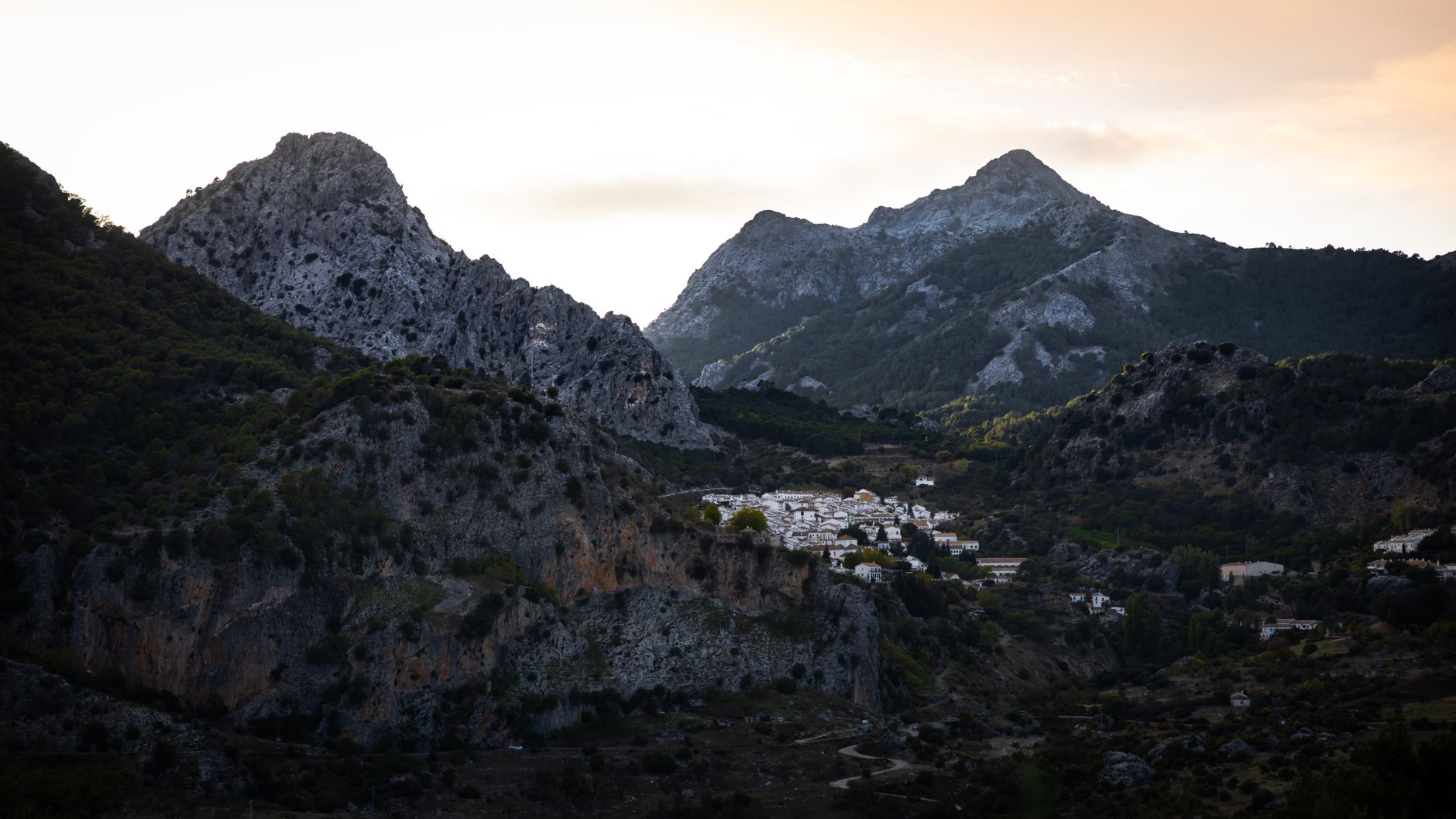
The honest answer is this: a focused stalk hunt in the mountains needs a minimum of four full hunting days on the ground, while a driven hunt or small-game day can stand alone as a single outing. Everything else, from red stag during the rut to a four-subspecies ibex grand slam, falls somewhere between those poles and depends on terrain, season, weather and how you want to spend the hours around the hunt itself.
What follows is a practical framework, not a booking formula. Use it to start the conversation with your outfitter, then let the specifics of your target species and preferred dates shape the final itinerary.
Travel Days Are Not Hunting Days
This distinction matters more in Spain than almost anywhere else. Madrid, Malaga and Barcelona are the main arrival points, and the hunting grounds can be several hours further by road. A hunter who lands on Monday morning is unlikely to be in the field before Tuesday, and a Friday departure often means leaving the lodge on Thursday evening. Build that buffer in from the start or you compress every hunting day that follows.
Jet lag is a real variable for hunters arriving from the US or Mexico. Most experienced travellers prefer to arrive a day earlier than strictly necessary, sleep properly and walk into the first morning with clear eyes. Whether that extra night justifies the additional cost is a personal calculation, but it is worth making deliberately rather than discovering the problem at first light on day one.
Minimum Days by Hunt Type
Mountain stalks: ibex and chamois
A single-subspecies ibex stalk, whether Beceite, Gredos, Southeastern or Ronda, is typically structured around three to four hunting days in the field. That window handles weather disruptions, which are common at altitude, and gives the guide room to be selective rather than reactive. Hunters who arrive planning to take the first animal they see on day one rarely have the experience they imagined.
The Pyrenean chamois adds elevation and, depending on the season, snow. The physical demands are higher and the logistics more involved, so a similar minimum applies.
If two subspecies are the goal, most itineraries need at least six to eight hunting days, often across two separate regions with travel between them. Back-to-back mountain stalks in different ranges are physically demanding and the itinerary should reflect that honestly.
Driven hunts: monteria and wild boar
A monteria or driven wild boar day is a single-day event by structure. The hunt runs from first light to early afternoon, and the post-drive lunch is as much a part of the experience as the shooting. A hunter can arrive the evening before, participate in a full drive the next morning and depart the day after. Three nights, one drive, and it is a perfectly complete trip.
That said, many hunters who try a monteria once find they want to see more than one estate, or pair it with an evening stalk. Two or three drives across different estates over a week produces a richer picture of the tradition.
Driven partridge
A driven red-legged partridge ojeo follows similar logic: the day is the event. Two or three consecutive shooting days on the same estate, or across neighbouring ones, is the classic format for international guns who have made the journey specifically for the birds. A single day is worthwhile; two or three reward the travel investment more fully.
Red stag during the rut
The red stag rut runs through September and into early October, and it is one of the most atmospheric hunts Spain offers. The roaring peak is a window of days, not weeks. Hunters who plan around it should build in enough margin that a weather disruption or a quiet spell in the deer's behaviour does not eliminate every opportunity. Four to five hunting days centred on the expected peak is a reasonable target.
The Grand Slam Question
The Spanish Ibex Grand Slam covers four subspecies across four distinct geographic regions. It is not a single trip. Most hunters complete it over two or three visits to Spain in different seasons, because the optimal window for each subspecies rarely lines up within a single calendar block. An outfitter who knows all four ranges can help sequence them logically, pairing subspecies with overlapping seasons or terrain that suits the same level of physical preparation.
Attempting all four in one extended trip is possible, and some hunters do it, but it requires careful planning around season dates, permit availability and recovery time between stalks. Ask what the current season calendar looks like before committing to a compressed timeline.
How Companion Programmes Affect the Length
A non-hunting partner changes the calculation in a welcome direction. When the hunter is in the field from dawn, a companion with a full programme of their own, whether that means a nearby city, the coast, a winery or simply the lodge itself, needs days too. A five-day hunting itinerary alongside a two-day extension to Seville or the Costa del Sol becomes a ten-day trip, and that shape often makes the overall investment feel more balanced for a travelling couple. The bespoke proposal Huntex prepares addresses the companion side alongside the hunting days, not as an afterthought.
What a Bespoke Proposal Actually Covers
When you contact Huntex, the first task is to understand your target species, your preferred travel window and any constraints on total days away. From there, the outfitter can map the hunting days required, identify the right grounds and season window, suggest the most logical arrival point and build a companion programme around the hunting schedule rather than beside it.
Questions worth bringing to that conversation: how many hunting days does this species realistically need at this time of year, what happens if weather costs a day in the mountains, and is there a logical second species that fits the same trip without overloading it?
If you have a target species in mind and a rough idea of when you can travel, share both with us and we will come back with confirmed availability and a proposed shape for the days. That is the right place to start.