
Combining an Ibex Hunt with the Costa del Sol
An ibex hunt in the mountains above Malaga and a few days on the Costa del Sol are closer together than most hunters realise, in distance and in calendar.
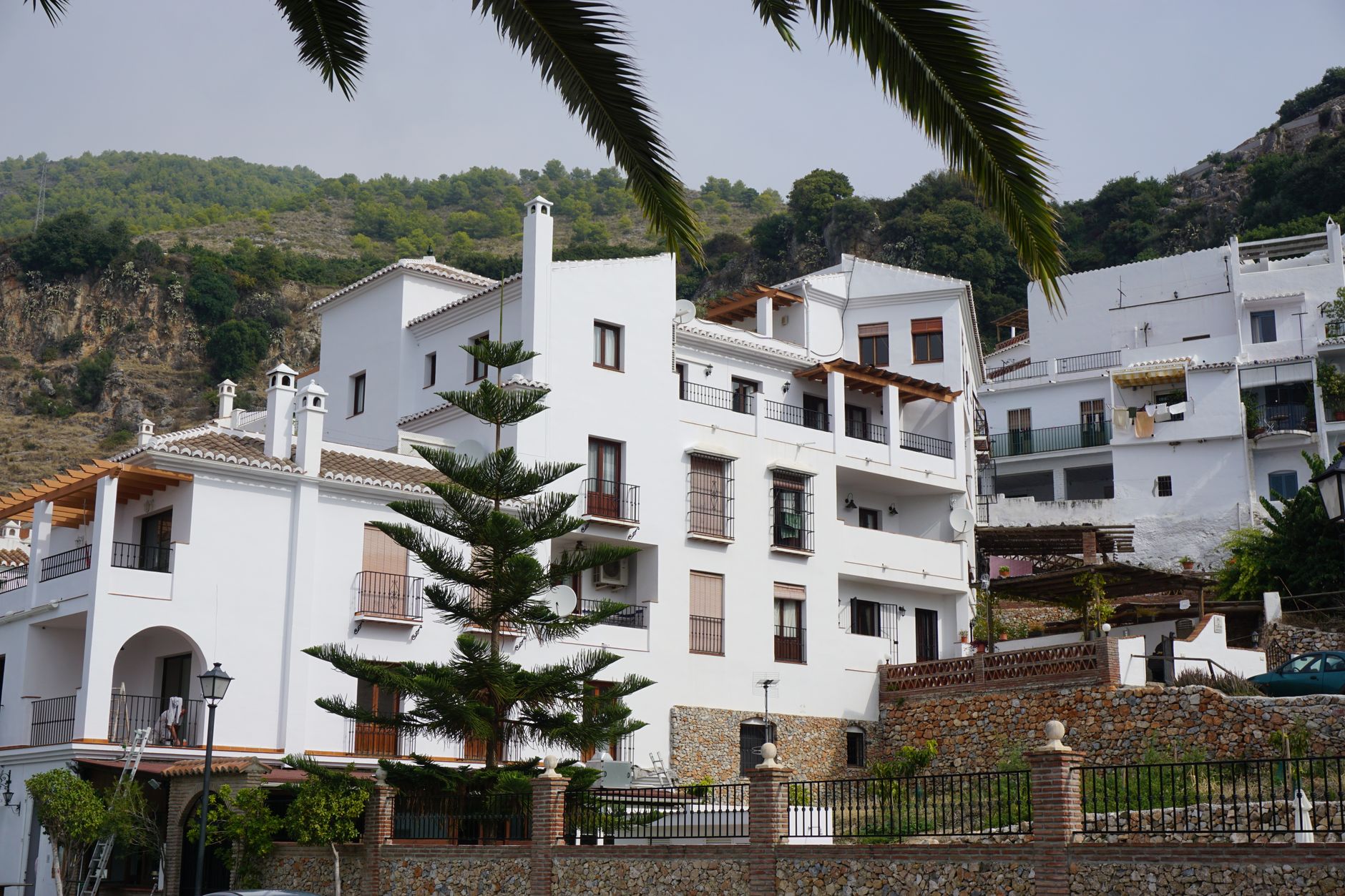
An ibex hunt in the Andalusian highlands and a stay on the Costa del Sol can sit inside the same week of travel. The ranges that hold Ronda ibex and southeastern ibex begin within an hour or two of Malaga airport, which also serves as the main gateway to Marbella, Estepona and the coast. For a hunter travelling with a companion who prefers the sea, or for anyone who wants to extend the trip beyond the field, the geography makes this combination genuinely practical rather than contrived.
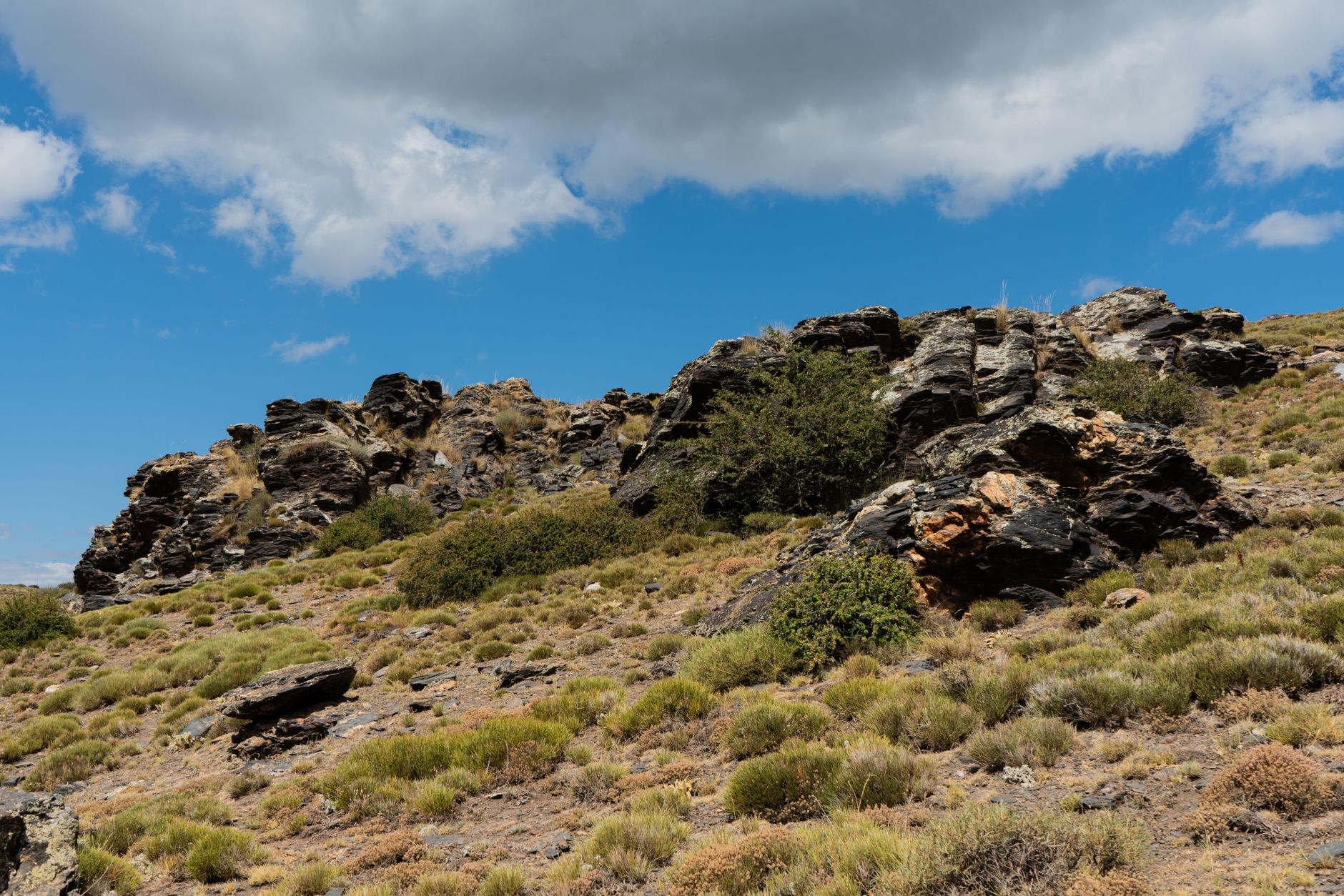
Why Andalusia Makes This Combination Work
Most Spanish ibex subspecies demand remote, high terrain, and reaching them often adds a full travel day in each direction. Andalusia is the exception. The Sierra de Ronda, the approaches from the Serrania de Cuenca and several private estates in the south place the hunting ground close enough to the coast that the drive between camp and the Mediterranean is measured in tens of minutes. That proximity removes one of the main objections a non-hunting companion might have, and it gives the hunter a natural way to decompress after the stalk without boarding a second flight.
The Relevant Season Window
The ibex season in Andalusia opens in autumn and runs through late winter, with exact dates set annually by the regional government and subject to confirmation each season. Those cooler months, roughly October through February, are also among the most agreeable times to be on the Costa del Sol. Daytime temperatures at sea level are mild, the resort towns are quieter than in summer, restaurant tables are easy to secure and the golf courses have room. A hunter whose preferred species window falls in that period finds the coastal extension almost cost-free in terms of comfort.
For hunters working toward the Spanish Ibex Grand Slam, the southeastern and Ronda subspecies are the two that lend themselves most naturally to a single Andalusian trip. Both can sometimes be arranged on consecutive days with the right outfitter, keeping the itinerary compact. Ask your outfitter whether estate availability and quota in a given season make a back-to-back arrangement realistic.
Building the Itinerary Around Both Pursuits
The shape of a combined trip typically runs like this: arrival into Malaga, one night near the coast or in Ronda, two to three hunting days in the mountains, then a transfer back to a coastal property for the final nights before departure. The reverse order works equally well. Some hunters prefer a day of rest at sea level before heading into demanding terrain; others prefer to earn the coastal relaxation.
Hunting Days in the Hills
An ibex stalk in Andalusia is physically demanding. The terrain is rocky limestone country, often steep, with elevation gain that varies by estate and time of year. A high-country stalk elsewhere might require more raw altitude, but Andalusian ground is not to be underestimated. Hunters should be comfortable walking several hours on uneven footing and climbing with a pack. The guide sets the pace, and the distance covered in a day shifts with conditions, season and the behaviour of the animals.
Accommodation during the hunt is arranged as part of the bespoke proposal. Options range from a working finca on the estate to a small hotel with character in a nearby town, depending on availability and what suits the party. It is worth specifying early whether the companion programme takes priority over proximity to the hunting ground, because the two sometimes point in different directions.
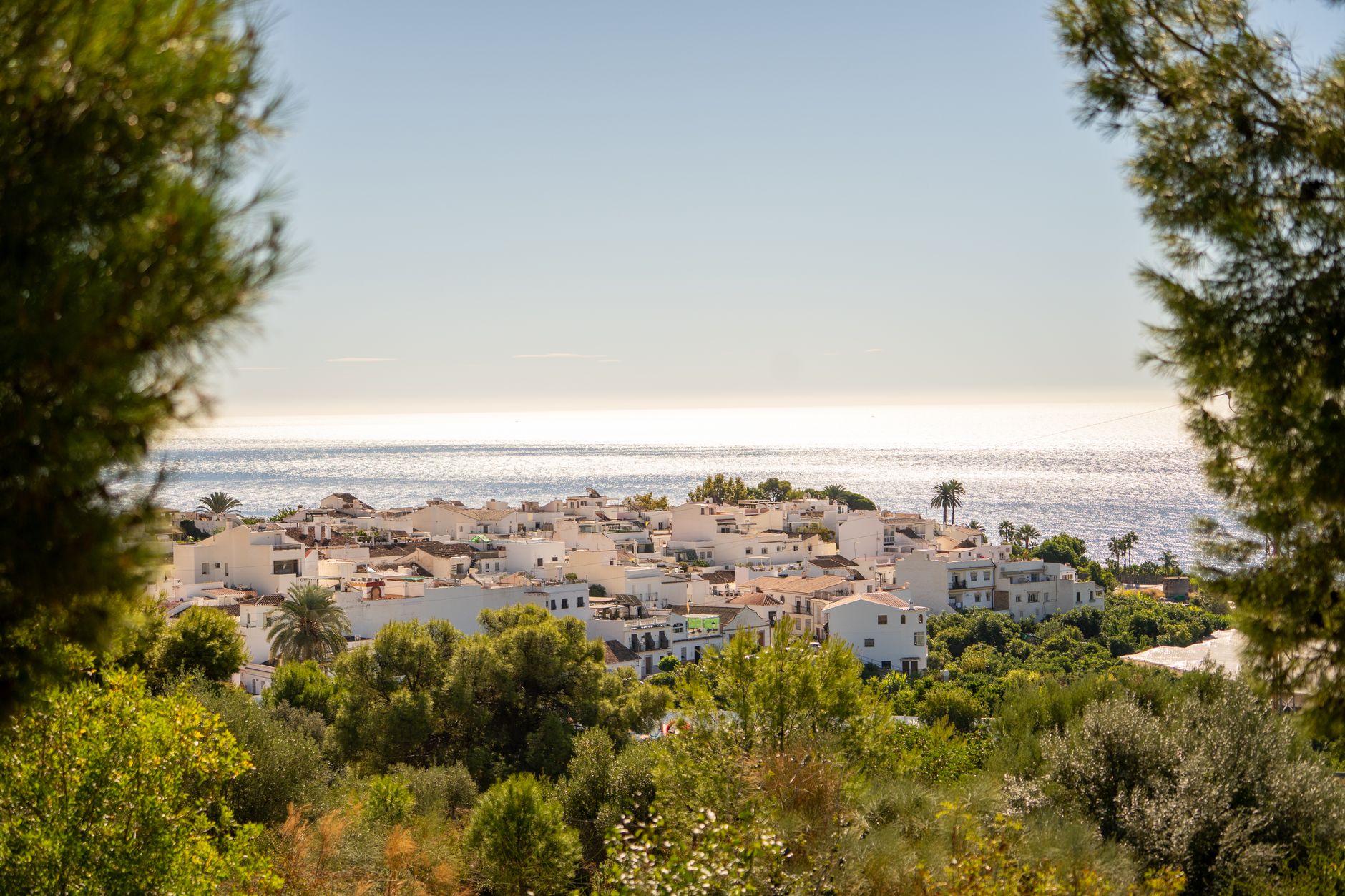
The Companion Programme in Andalusia
The Costa del Sol and its hinterland offer a companion more to do than almost any other hunting region in Spain. Marbella, Ronda, Seville and Granada are all within reach depending on the base chosen. Ronda itself, a town perched above its famous gorge, occupies a satisfying two or three hours of wandering and is one of the most visited inland towns in the country. Seville is a longer drive but manageable as a day trip from certain bases. The Alhambra in Granada requires booking well ahead and is worth the effort for anyone who has not seen it.
On the coast, the options are familiar: golf, sailing, spa, wine and some of the better seafood restaurants in southern Europe. The point is that a companion who is not hunting is not sacrificing their holiday. They are having a different, equally considered one alongside you.
Huntex builds a companion programme into the bespoke proposal for any trip where one is needed. If a companion has specific activities in mind, those preferences are worth raising at the consultation stage so that lodging and base location can be chosen accordingly.
Practical Logistics Worth Confirming Early
Malaga airport handles direct flights from several US and Mexican cities, sometimes with a single connection. Current routing is worth checking at the time of booking, since transatlantic connections to secondary Spanish airports shift seasonally. For hunters bringing their own firearm, the temporary import process runs through Spanish customs and the Guardia Civil. The documentation required depends on country of origin and current regulations and should be confirmed with your outfitter well ahead of travel. Huntex arranges the relevant permits and firearm paperwork as part of the standard preparation for every hunt.
Trophy handling for an Andalusian ibex follows the same path as any other Spanish mountain game: in-field preparation by the guide team, caping and initial treatment, then the import paperwork for the US or Mexico. Ibex does not require a CITES permit, which simplifies the shipping considerably compared with many African species. Your outfitter can confirm the current documentation requirements for your destination country.
Is One Week Enough?
In most cases, yes, if the hunting days go to plan. A realistic structure might be seven to nine nights: two travel days, two to three hunting days and two to three days on the coast, with a small buffer if the first morning does not produce a shot opportunity. For hunters pursuing two subspecies in the same visit, ten to twelve nights is more comfortable. The right answer depends on the target animal, the time of year and how much coastal time genuinely matters to the party.
If you have dates in mind and a target subspecies, share them with us and we will put together a confirmed availability proposal covering the hunting ground, lodging and companion programme.