
Lodging on a Spanish Hunt: From Cortijo to Boutique Hotel
Lodging on a Spanish hunt ranges from working cortijos in Andalusia to restored manor houses and boutique hotels near major airports. Here is what each type offers.
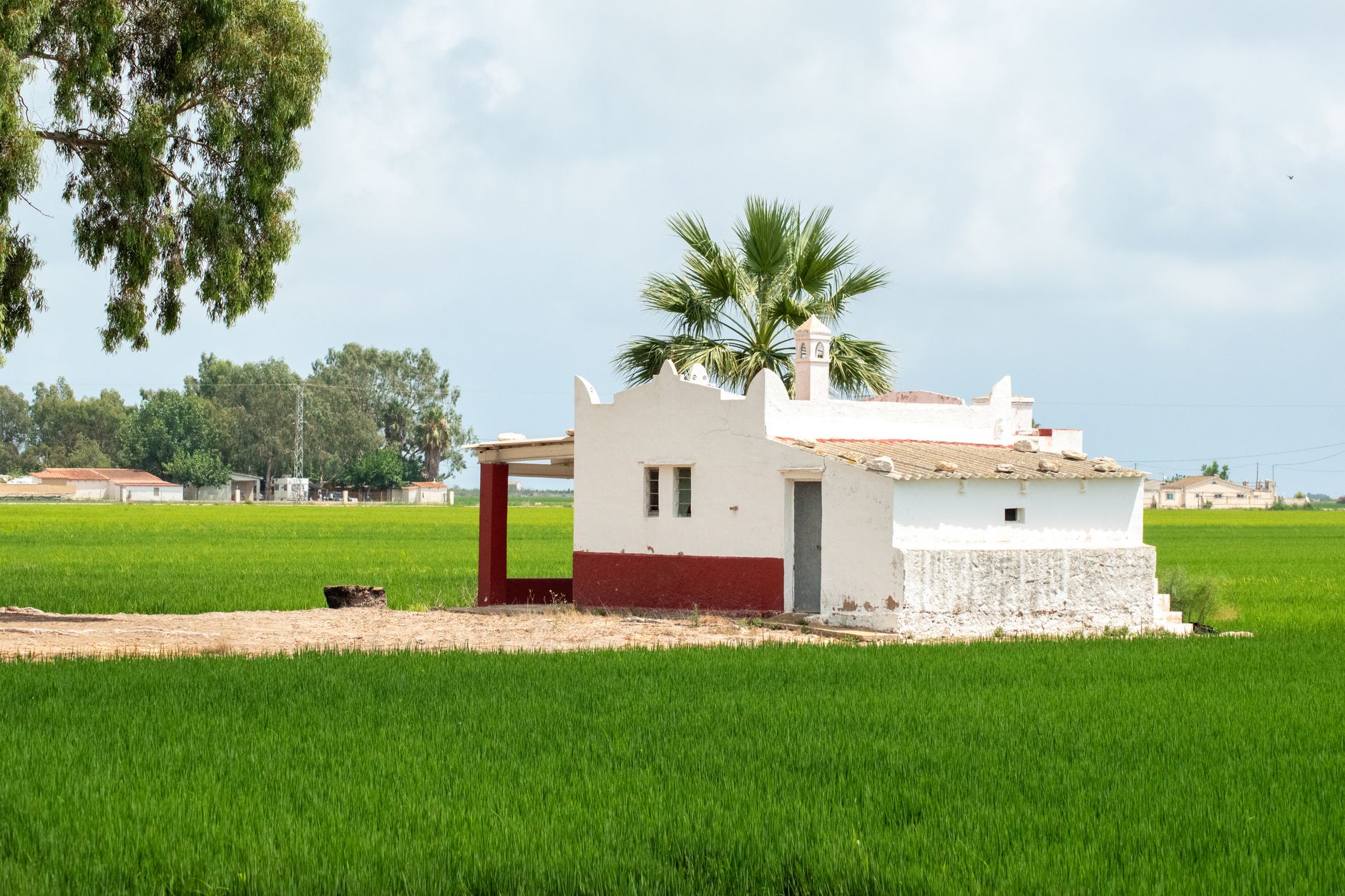
Where you sleep on a hunting trip in Spain is not a footnote. The country is large, its hunting grounds spread across landscapes that have little in common with one another, and the character of the place you return to each evening tends to colour the whole memory of the trip. Hunting lodging in Spain ranges from working cortijos embedded in private estates to restored Castilian manor houses, rural boutique hotels and, for hunts within reach of a city, urban hotels used as a practical base. Each type suits a different kind of hunt, a different party and a different idea of what comfort should feel like.
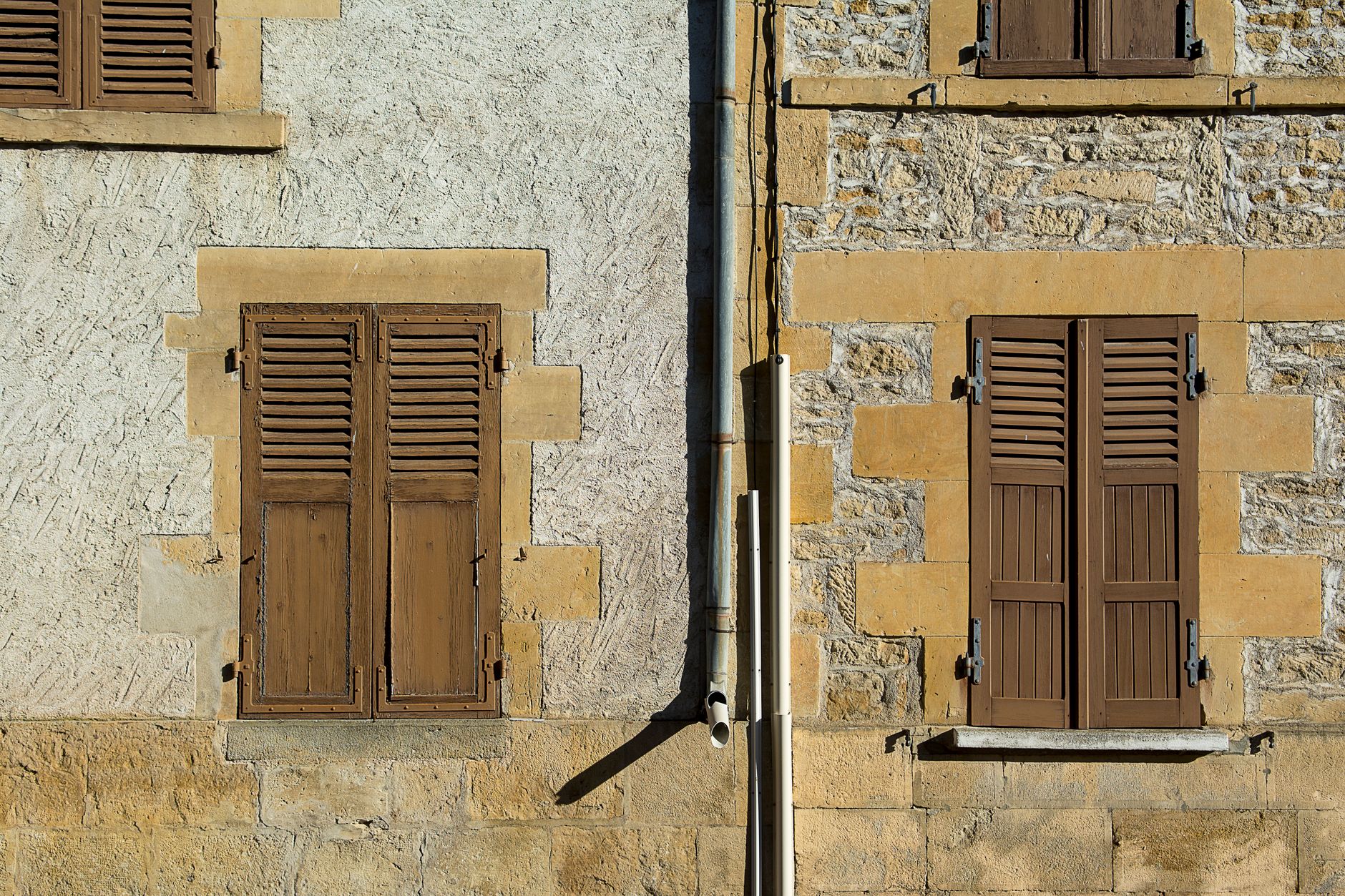
The Main Lodging Types on a Spanish Hunt
The differences are worth understanding before you arrive. Lodging is chosen as part of the overall proposal, not picked separately from a list.
Cortijo and Finca: the Estate Lodge
A cortijo is a traditional Andalusian farmstead, often the operational heart of a large private estate. When hunting takes place on that estate, staying within it is both practical and atmospheric: briefings happen around the same table where breakfast was served, the guide is a few steps away and the hunting day begins without a drive. Furnishings vary widely from property to property. Some have been modernised with real care; others keep the original stone floors, low ceilings and open fireplaces that have been there for generations. Expect honest, generous Andalusian cooking rather than elaborate restaurant menus, local wine and an early start that the whole house accommodates without fuss.
The same logic applies to the broader category of finca, which simply means a rural property. In Castilla, Extremadura or Aragón a finca lodge may read quite differently from an Andalusian cortijo in its architecture, but the relationship between hunter, host and terrain is much the same.
Pazo, Palacete and Restored Manor House
Across central and northern Spain there is a tradition of large stone country houses, some centuries old, that have been carefully restored and opened to small parties of guests. A Galician pazo or a Castilian palacete can offer genuine period rooms, formal dining and staffed service that sits comfortably alongside a demanding ibex or red stag programme. These properties suit parties who want the hunting to be excellent and the evenings to feel like an occasion. They also work well when a non-hunting companion is part of the trip, since the house itself, the gardens and the surrounding villages give a full day of interest. The article on bringing a companion to Spain covers this in more detail.
Rural Boutique Hotels
Spain has a substantial category of small, design-conscious rural hotels that belong to no chain. Many occupy converted mills, rectories or village houses in areas that happen to be excellent hunting country. They offer private rooms, restaurant service, reliable Wi-Fi and attentive but unobtrusive hospitality, which works well for a hunter who wants to separate the hunting day from a genuinely restful evening. These are often the right choice when a party is mixed in its interests, or when the terrain being hunted is spread across a wider radius rather than concentrated on a single estate.
Urban Hotels as a Practical Base
Certain hunts, particularly driven partridge in parts of La Mancha within reach of Madrid, or a chamois hunt approached via a town in the Pyrenees, can reasonably be based in a small market town or city hotel. The drive to the ground each morning is longer, but the tradeoff is easier access, more restaurant choice and, for some parties, a better fit with business travel schedules. This option is less common on mountain game programmes, where the ground itself is remote enough to make a closer lodge strongly preferable.
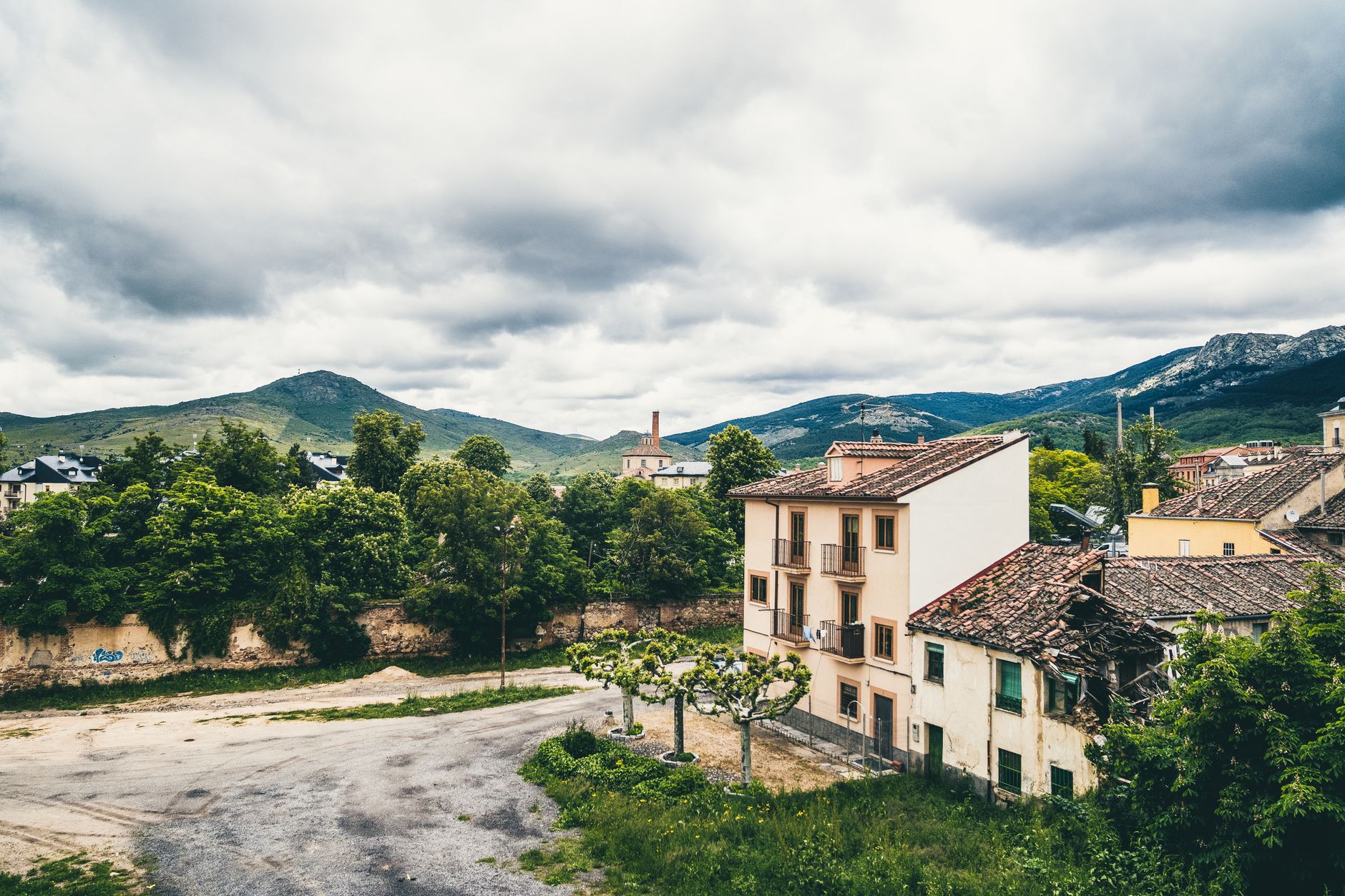
How Lodging Relates to the Hunt Itself
The match between lodging and species matters more than it might seem. A Gredos ibex stalk begins at altitude in cold morning air. A lodge that requires a long pre-dawn drive before reaching the trailhead adds fatigue to an already demanding physical day. The same principle applies on a driven wild boar programme, where moving guns to their positions across a large estate is simply easier when everyone is already on the property.
Driven partridge is the exception where town-based lodging can work, partly because the rhythm of an ojeo day is more structured and the drives to shooting positions are planned well in advance. The guide on driven partridge in Spain gives the full picture of how that day is organised and is worth reading before settling on a base.
What to Ask Before the Trip
Lodging is confirmed as part of the bespoke proposal, so the questions worth raising early are practical ones.
- Single or shared rooms: for a party of mixed acquaintance, private rooms matter. For a group of friends, a shared house atmosphere may be preferable. Worth stating clearly at the outset.
- Dietary needs: estate cooking in Spain is generous but not always varied. Any restriction should be communicated before the proposal is drawn up, not on arrival.
- Companion programme: if a partner or family member is joining without hunting, it is worth asking the outfitter directly whether the lodging is interesting enough to fill a non-hunting day on its own.
- Connectivity: remote estate lodges in mountain areas may have limited or no mobile signal. If that matters for business reasons, confirm it in advance. For some hunters, it is one of the genuine pleasures of the week.
- Arrival night: most hunting programmes begin on the morning after arrival. How that first night is handled, whether at the lodge itself or at an airport hotel, varies by property and flight schedule. The logistics guide on Madrid arrival and first night addresses this in detail.
Lodging and the Shape of the Overall Proposal
When Huntex prepares a proposal, lodging is one component of a coherent plan rather than a separate booking. The grounds, the season window, the companion programme and the accommodation are proposed together, because the right lodge for a solo hunter on a five-day Beceite ibex stalk is quite different from the right property for a group of eight on a three-day driven monteria in Extremadura. If you are planning a Grand Slam itinerary across multiple subspecies and regions, lodging will differ at each stop, and that variety is part of what makes the trip worth the journey.
There is no single best type of hunting lodge in Spain. There is the one that fits your species, your dates, your party and what you want the evenings to feel like. That conversation is exactly what a first consultation is for.
If you have a target species, a rough travel window and any preferences on the accommodation side, share them with us and we will put together a confirmed availability proposal covering grounds, timing and lodging together.