
Madrid Arrival Logistics: Airports, Drives and First Night
Getting to Spain is straightforward, but a few practical details make the difference between a smooth arrival and a lost morning. Here is what to know before you land.
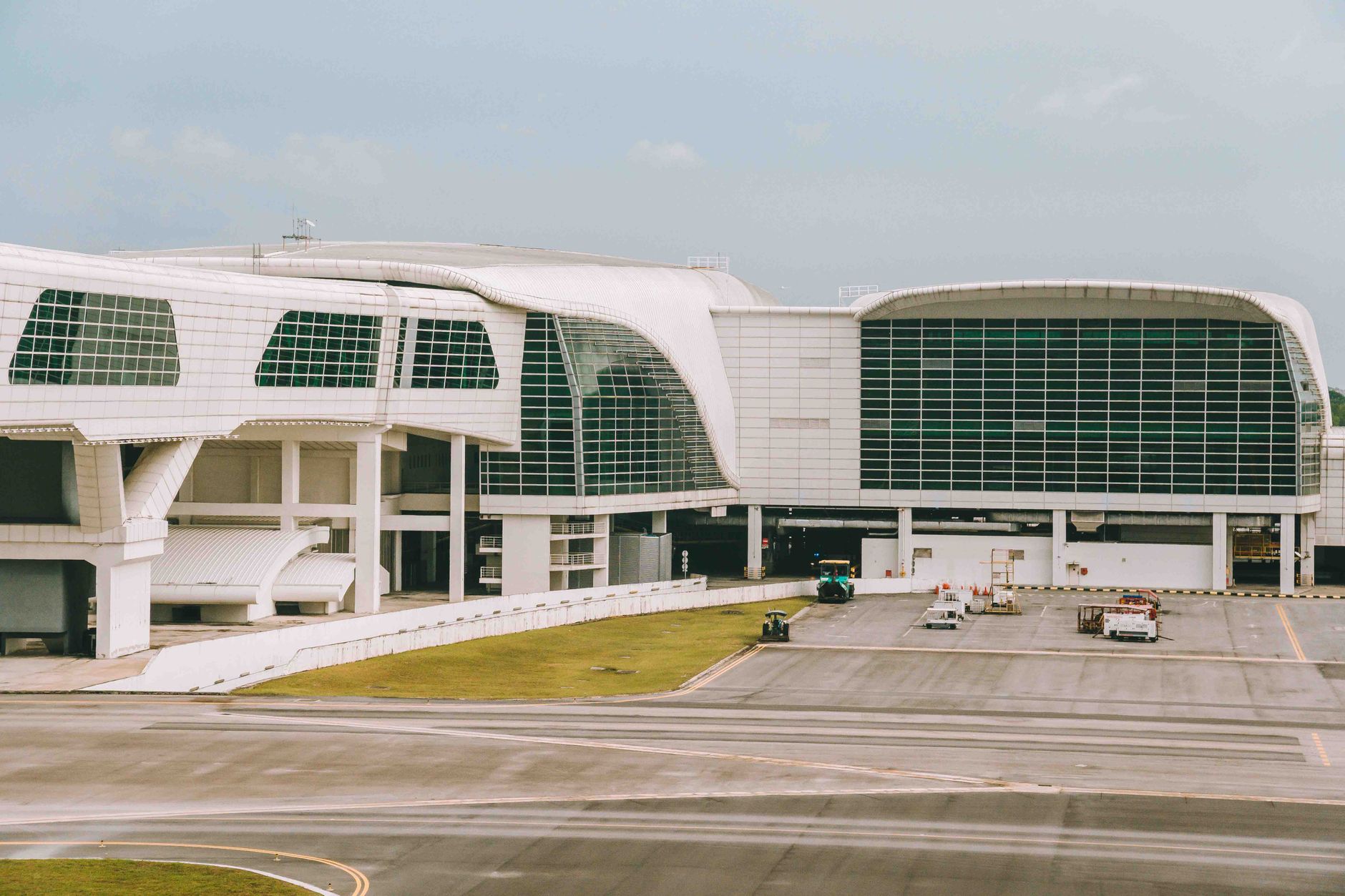
For most international hunters flying into Spain, Madrid is the entry point, and how you handle the first twelve hours sets the tone for everything that follows. Adolfo Suárez Madrid Barajas Airport (IATA: MAD) is the primary hub, served by direct transatlantic routes from the United States, Mexico and Canada as well as connections through the major European gateways. A clear picture of the airport layout, drive times to the main hunting regions and first-night lodging options means you arrive rested and ready rather than improvising on the road.
Madrid Barajas Airport: What Hunters Need to Know on Arrival
Barajas has four terminals. Most long-haul flights from North America arrive at Terminal 4 or its satellite, Terminal 4S, connected by an underground shuttle. Terminals 1, 2 and 3 handle the bulk of European connections. If you are transiting from another European city, confirm your arrival terminal in advance so your ground contact can position correctly.
Customs and baggage claim takes longer than most passengers expect, particularly when travelling with declared sporting firearms. Collecting a temporarily imported rifle follows a specific sequence, and the paperwork prepared before departure determines how smoothly it moves. If you are renting a rifle through your outfitter rather than importing your own, that step does not apply, but confirm the arrangement in writing before you fly. The guide Flying to Spain with Your Rifle covers the permit process in more detail.
Currency exchange desks and ATMs are available throughout the terminal. Many rural lodges and local guides work on a cash basis for incidentals, so arriving with a reasonable amount in euros avoids unnecessary stops on the drive out.
Drive Times from Madrid to the Main Hunting Regions
Spain is larger than many North American hunters anticipate, and the hunting grounds span very different landscapes. The figures below are honest estimates under normal road conditions and can lengthen considerably with traffic leaving the capital, particularly on Friday afternoons.
- Sistema Central (Gredos, Guadarrama): The ranges closest to Madrid sit roughly one and a half to two and a half hours west or northwest of the capital, depending on the specific ground. Gredos Ibex hunts based in Ávila province are among the most accessible from Barajas.
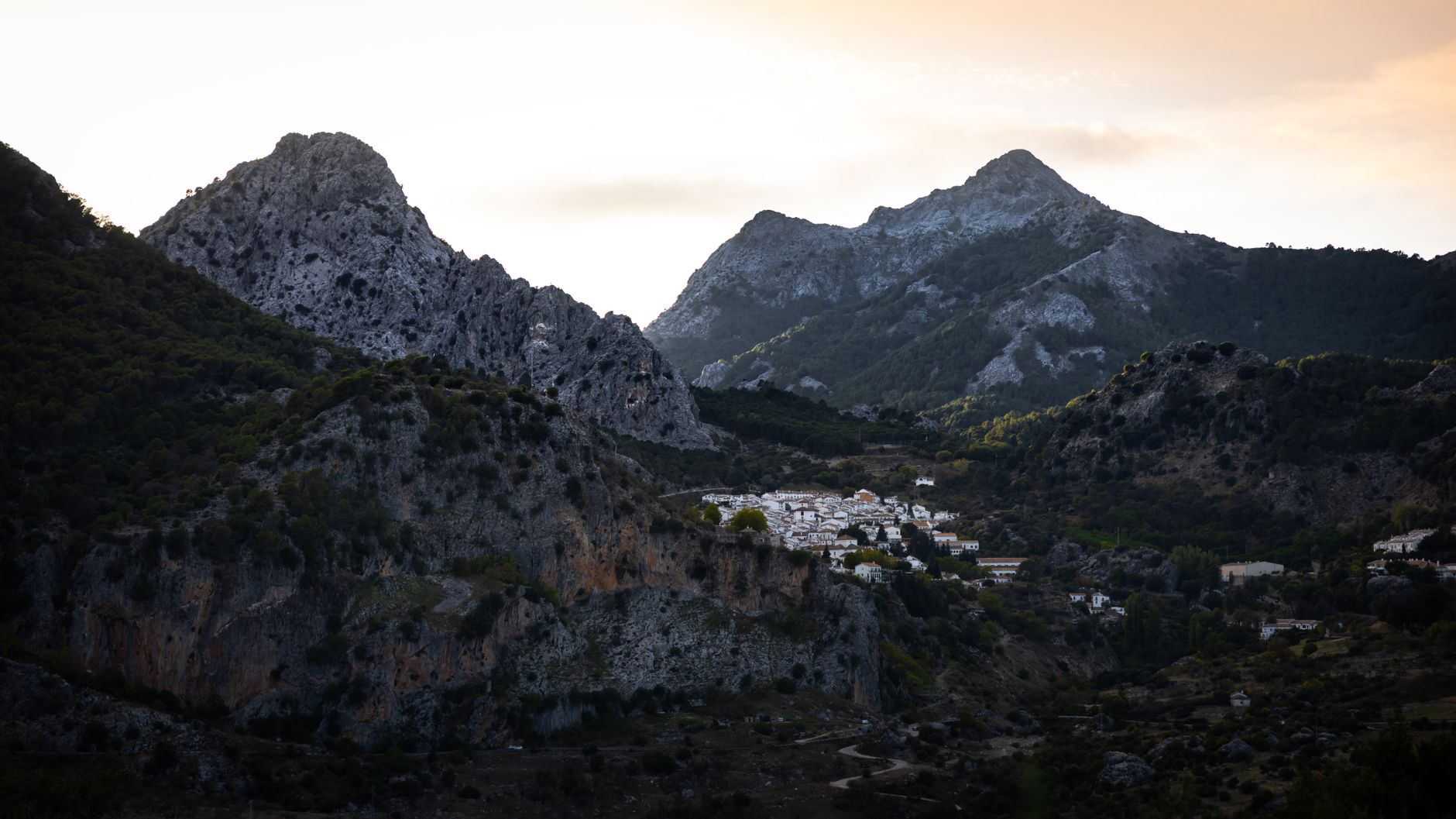
- Castellón and the Maestrazgo (Beceite): The limestone country of the eastern interior is three to four hours by road, heading northeast. Beceite Ibex hunts typically stage from small towns in Teruel or Castellón provinces.
- Southeastern ranges (Murcia, Almería): The arid sierras of the southeast are four to five hours by road, or reachable via a short domestic connection to Murcia or Almería followed by a much shorter transfer.
- Andalusia (Ronda, Cádiz): The southernmost ibex grounds and driven partridge estates sit five to six hours south of Madrid, or roughly an hour by domestic flight to Málaga or Jerez, with another hour or so by road.
- Pyrenees (Chamois): The high Pyrenean terrain for Rebeco hunting is four to five hours north by road, and also accessible via Barcelona (IATA: BCN), which some hunters use as an alternative entry point when the hunt is based in the eastern ranges.
- Montería estates (central plateau and Extremadura): Many of the large fenced estates used for driven wild boar and red stag lie two to three hours southwest of Madrid in Extremadura or the Toledo and Ciudad Real provinces, making them among the easiest post-arrival drives.
Should You Spend the First Night in Madrid or Travel Straight to the Ground?
For most transatlantic arrivals, a night in Madrid is the sensible call. A morning arrival from the US East Coast or Mexico City, after customs and baggage, leaves little daylight for a four-hour drive into the mountains, and fatigue on unfamiliar roads is a straightforward risk to avoid.
Hunters who land early and are heading to ground within two hours of the capital sometimes choose to travel directly, especially if the following morning is an early start in the field. It is worth raising with your outfitter during the planning stage, since guide positioning, lodge check-in times and ground logistics all feed into the decision.
Madrid First-Night Lodging: What to Consider
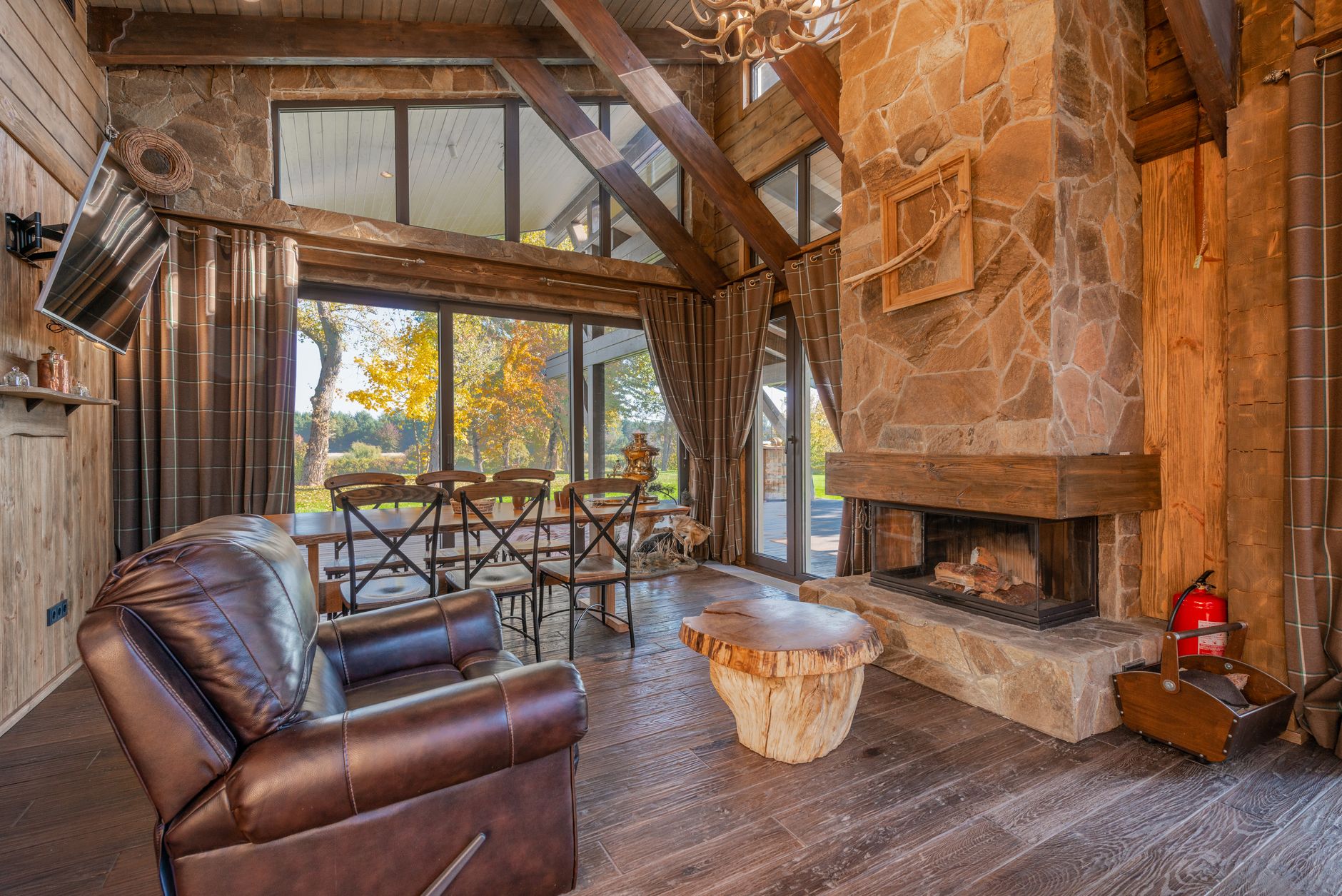
The capital offers a wide range of options, from small boutique hotels in the historic centre to larger international properties near the airport. For hunters with an early departure the next morning, a hotel along the Barajas corridor or the A-2 motorway axis saves time and simplifies loading vehicles. For those travelling with a non-hunting companion who wants an evening in the city, the Salamanca district or the streets around Retiro park put good restaurants and culture within easy reach. Madrid rewards a full day, and some hunters choose to build an extra night in at the end of the trip rather than the beginning. The guide Bringing a Non-Hunting Companion to Spain outlines what that kind of extension can look like.
Airport Collection and the Outfitter's Role in Ground Logistics
Huntex arranges airport collection as part of the hunt organisation, coordinating the transfer from Barajas to the lodge or first-night hotel so hunters are not navigating an unfamiliar city at the end of a long flight. Whether a guide travels with the vehicle or a dedicated transfer is arranged depends on the hunt itinerary and is confirmed during the planning conversation.
For hunters importing a firearm, it is worth discussing with the outfitter exactly where in the airport process the handoff happens. The sequence at the customs and police counters varies, and clear expectations avoid confusion on arrival. If you are renting a rifle through Huntex, that question does not arise, though it is still worth confirming how and where the rifle is collected before the first morning in the field.
Practical details, SIM cards, currency, tipping customs, speed limits on rural roads, are all worth covering during the pre-trip consultation. Small things, but the hunters who arrive best prepared are the ones who asked early.
If you have dates in mind and a target species, send them through and we will come back with confirmed availability, the right window for your hunt and a proposal that covers the logistics from arrival day onward.