
Shoulder Season Hunting in Spain: Quieter Dates, Same Quality
Outside the peak rut and monteria calendar, Spain offers serious hunting across several species with lighter pressure and more room to plan. Here is what the shoulder windows actually look like.
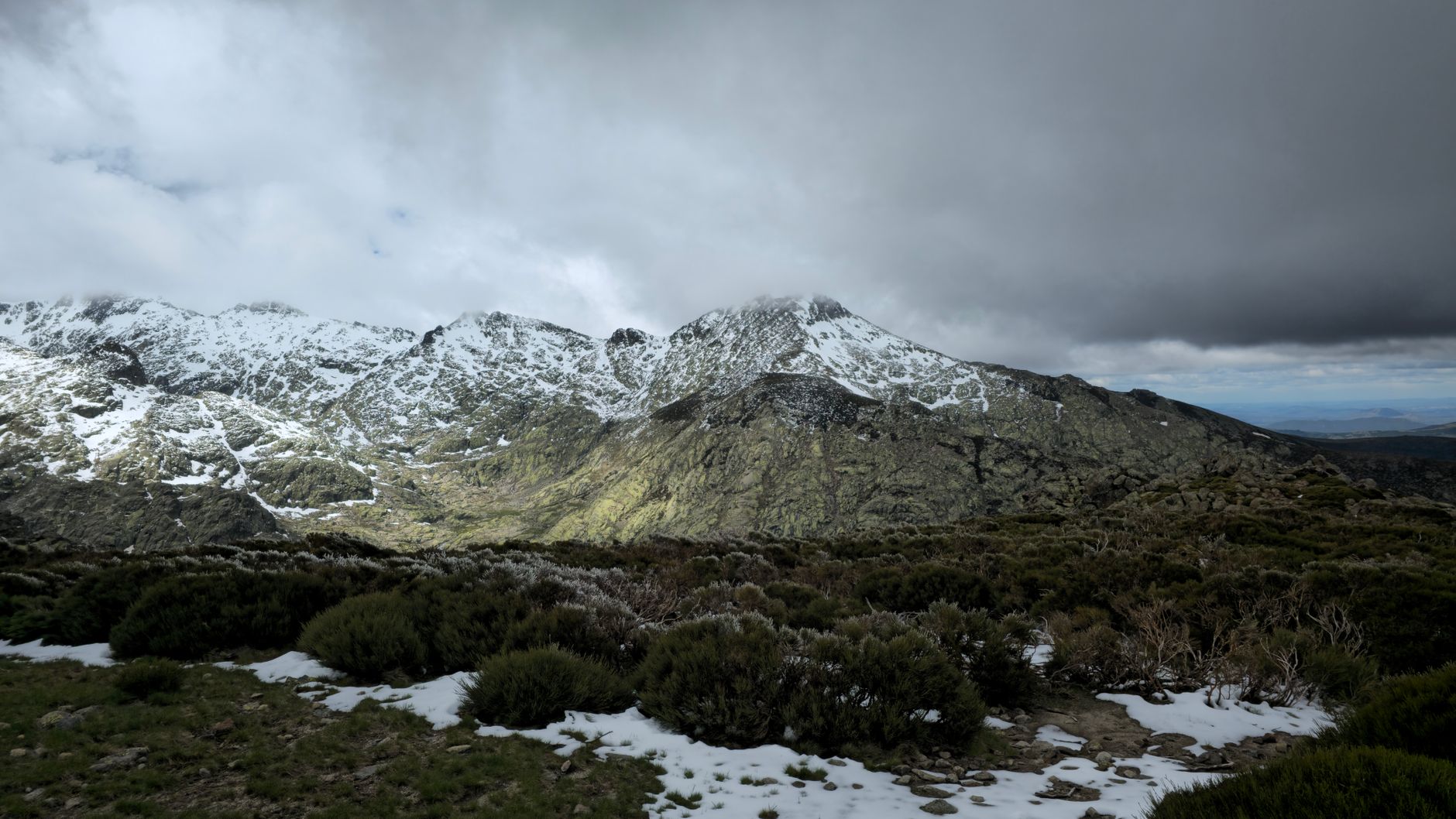
Shoulder season hunting in Spain covers the weeks that fall just outside the most heavily booked periods: broadly, late summer before the red stag rut builds, and the quieter stretch of late winter when ibex and chamois seasons are still open. During these windows, terrain access is generally easier to arrange, lodge calendars have room to breathe and the pace of a hunt can be shaped more deliberately around a particular hunter's preferences.
This guide is written for hunters who have already looked at the headline dates and are now asking a sharper question: what is actually available when the crowds are not there? It is also written for booking agents who need to present Spain as a year-round destination rather than a two-month sprint.
What Shoulder Season Means in the Spanish Hunting Calendar
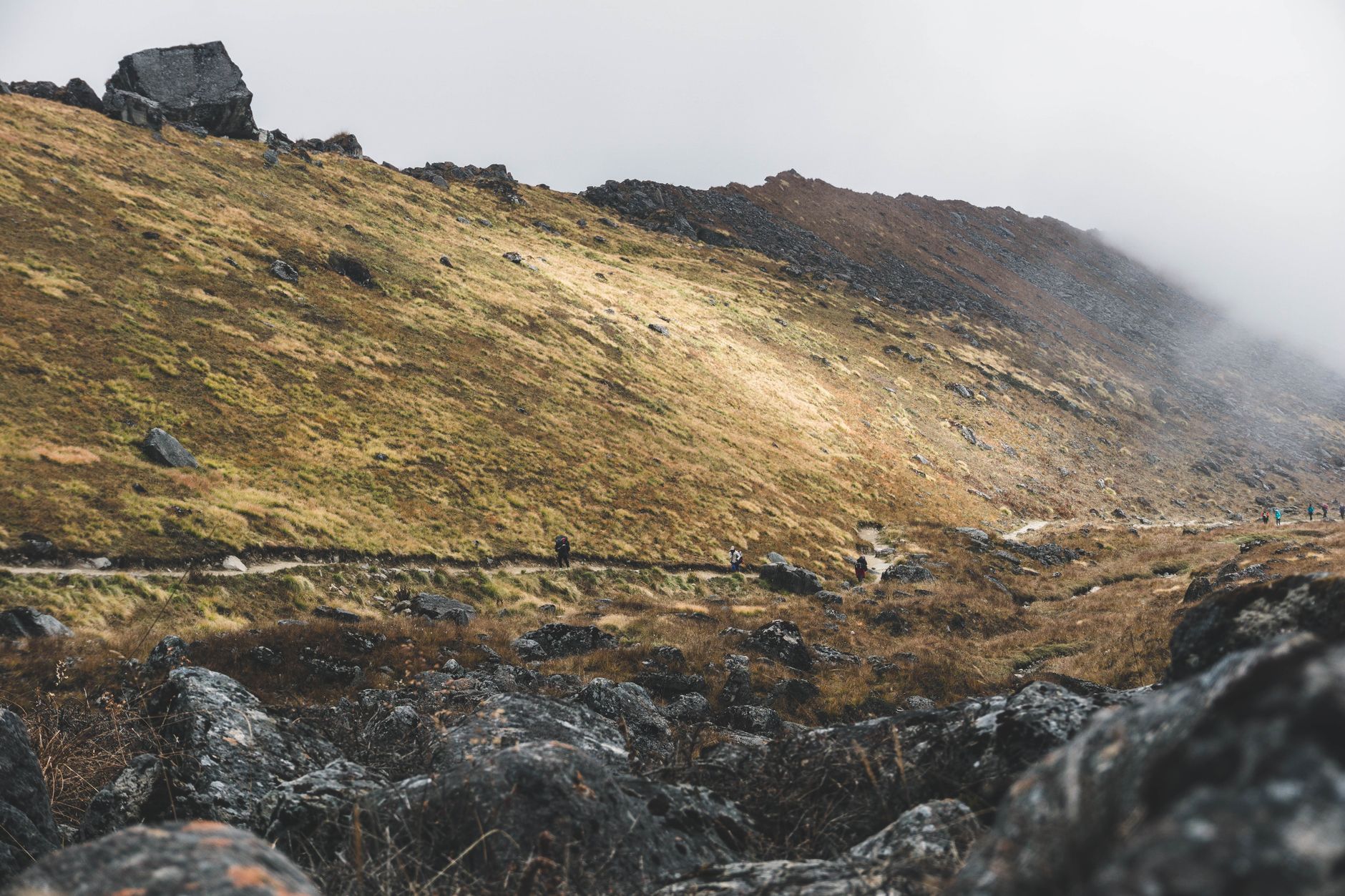
Spain's hunting calendar is regulated at the regional level, so precise opening and closing dates for any given species vary by autonomous community and can shift from one season to the next. That said, a recognisable pattern holds across most years.
Peak pressure falls in September and October for the red stag rut, and from November through January for driven hunts, monteria and driven partridge. Ibex seasons, depending on the subspecies and region, can run from late summer into spring, but the bulk of bookings cluster around the same autumn and winter core. The shoulder windows that remain genuinely productive but consistently quieter tend to be late August into early September, and February into March.
Late Summer: Before the Rut Reaches Full Voice
Late August and the first half of September represent the early shoulder for big game. The red stag rut in Spain typically intensifies from mid-September onward, but the weeks before it peaks are not empty. Stags are beginning to move, vocalisations are starting in some areas, and the worst of the summer heat has usually eased in the mountains. For hunters willing to work for their quarry rather than wait for peak rut theatre, this period offers a more demanding and arguably more satisfying stalk.
Some ibex seasons also open in this window, depending on region and subspecies. A hunter travelling in late August who combines an early ibex stalk with time along the coast or in a major city faces very little competition for guided days or lodge availability. For more on how ibex subspecies and seasons interlock, the Spanish Ibex Grand Slam guide covers the structure in detail.
Late Winter: After the Big Driven Season, Before the Close
February and March are perhaps the most underestimated months in the Spanish hunting calendar. The great driven hunts of December and January have wound down. Monteria pressure drops sharply. But mountain game seasons, including several ibex subspecies and Pyrenean chamois, often remain open into late winter, and conditions in the high country shift in ways that serious stalkers appreciate.
Snow is possible at altitude, which concentrates animals in predictable bands and makes reading country easier. The air is clear, the days are lengthening, and lodges that were full in October have open weeks. For hunters who find the social energy of peak season less appealing than a quiet camp with a small party and a focused itinerary, late winter delivers that in a way that summer and autumn simply cannot.
Which Species Are Realistically Available Outside Peak Season
Spanish Ibex
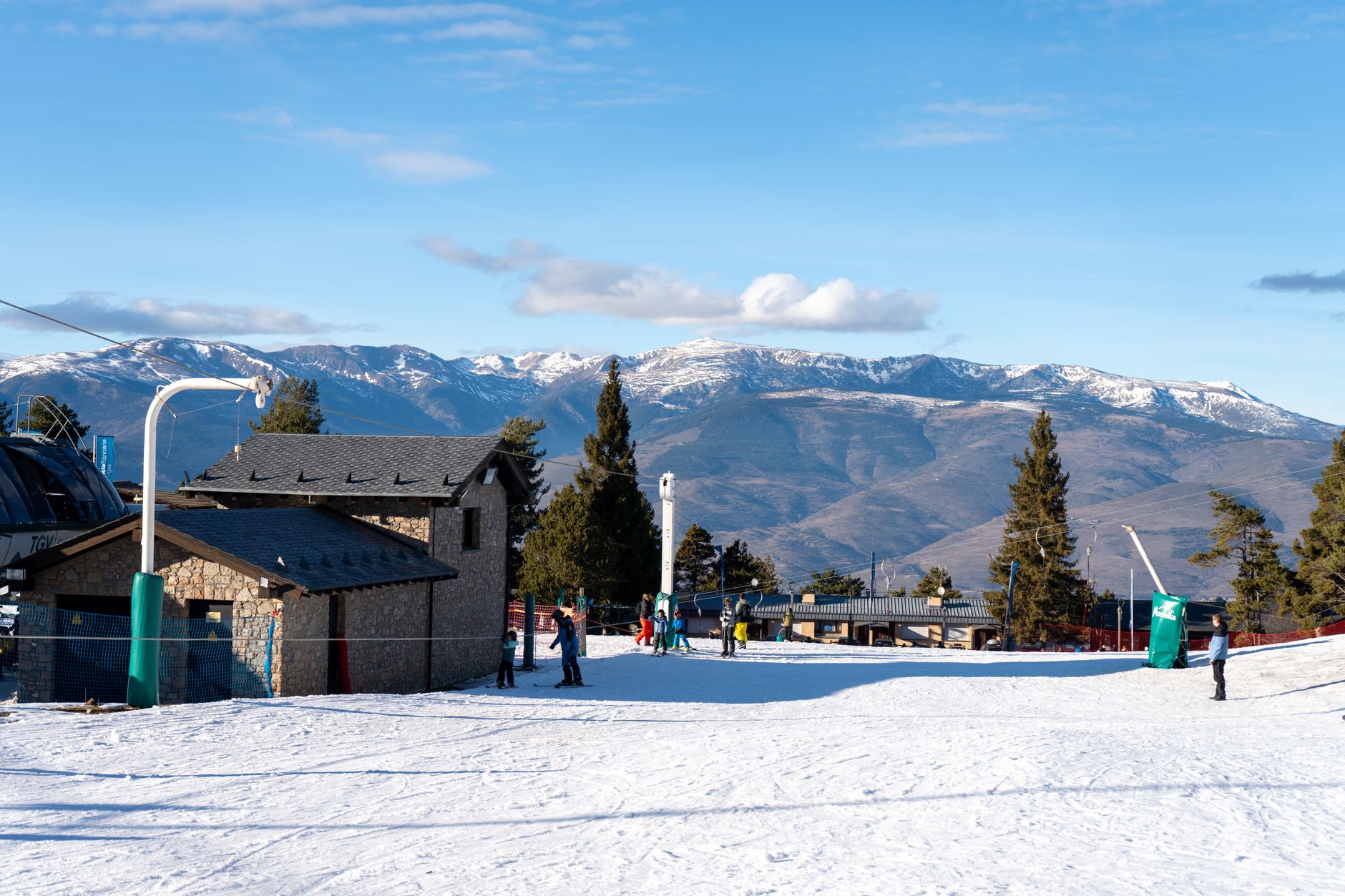
Of all Spain's mountain species, ibex offers the widest seasonal spread. The four subspecies, each tied to a different mountain system, do not all open and close on the same dates, and some regions permit hunting across a window that runs from summer into spring. A hunter planning around shoulder travel dates has more flexibility with ibex than with almost any other Spanish species. The Beceite and Gredos pages give a sense of how terrain and timing differ between subspecies.
Pyrenean Chamois
Chamois in the Pyrenees are typically hunted in autumn, but the precise season varies by area and permit quota. In some zones it extends further into the calendar than hunters from outside Spain tend to assume. Because chamois hunting is quota-managed at a local level, availability in any given year depends on what the management authorities have set, not on a fixed national rule. A conversation about confirmed dates for a specific season is the only reliable way to know what is open.
Roe Deer
Roe deer in Spain have a season that, depending on the region, can include spring periods falling well outside the autumn concentration. For hunters drawn to a lighter, more intimate stalk rather than a large-scale driven event, roe deer in a quiet spring week represents a very different kind of outing. The big game section gives an overview of what falls within this category.
Wild Boar
Boar hunting in Spain runs across a broader seasonal window than most driven game, and certain formats suit smaller parties or individual stalks outside the monteria structure. The wild boar page covers the range of approaches in more detail.
Practical Advantages for Booking Agents and Their Clients
For agents building a Spain programme for clients whose calendars do not align with October or December, shoulder season is not a compromise. It is a different product with genuine advantages of its own.
- Lodge flexibility. Properties that run at capacity during the rut and the driven season have room in late August and February. This affects room selection, companion programme options and the general pace of a stay.
- Logistical ease. Airports, transfers and internal travel in Spain are noticeably less pressured outside school holidays and the autumn hunting rush. Madrid's main hub and the regional airports serving hunting country are more straightforward to move through.
- Permit and licence timing. Non-resident licences, firearm temporary import documents and the relevant regional permits all carry processing requirements that vary by country of origin and autonomous community. Booking outside the peak rush allows more lead time without changing the shape of the process itself.
- A quieter hunting experience. Some hunters actively prefer a camp with two or three other guests to the social energy of a full driven week. Shoulder dates make that kind of programme far easier to construct.
What to Discuss Before Confirming Shoulder Season Dates
Because regional regulations set the actual open and close dates each season, and because quota allocations for species such as chamois are confirmed by local authorities, no guide can substitute for a direct conversation about a specific target species, a specific region and a specific year. The questions worth raising with an outfitter include which subspecies has a confirmed open season for the dates being considered, whether the relevant regional permit has been allocated for that zone, and what the companion programme looks like in that area at that time of year.
At Huntex, those questions are answered in a private consultation with the outfitter directly, not passed through a booking layer. The proposal that follows covers confirmed grounds, the right window, lodging and a companion programme designed around the specific party.
If you have a window in mind and a species you would like to pursue, or if you are an agent looking to place a client outside the autumn peak, share your dates and target with us and we will confirm what is genuinely available for that season.