
Spain for the Mexican Collector: Ibex, Chamois and Aoudad
Spain offers the Mexican collector a rare concentration of mountain species. Four ibex subspecies, two chamois and the aoudad, all in one trip or a planned series.
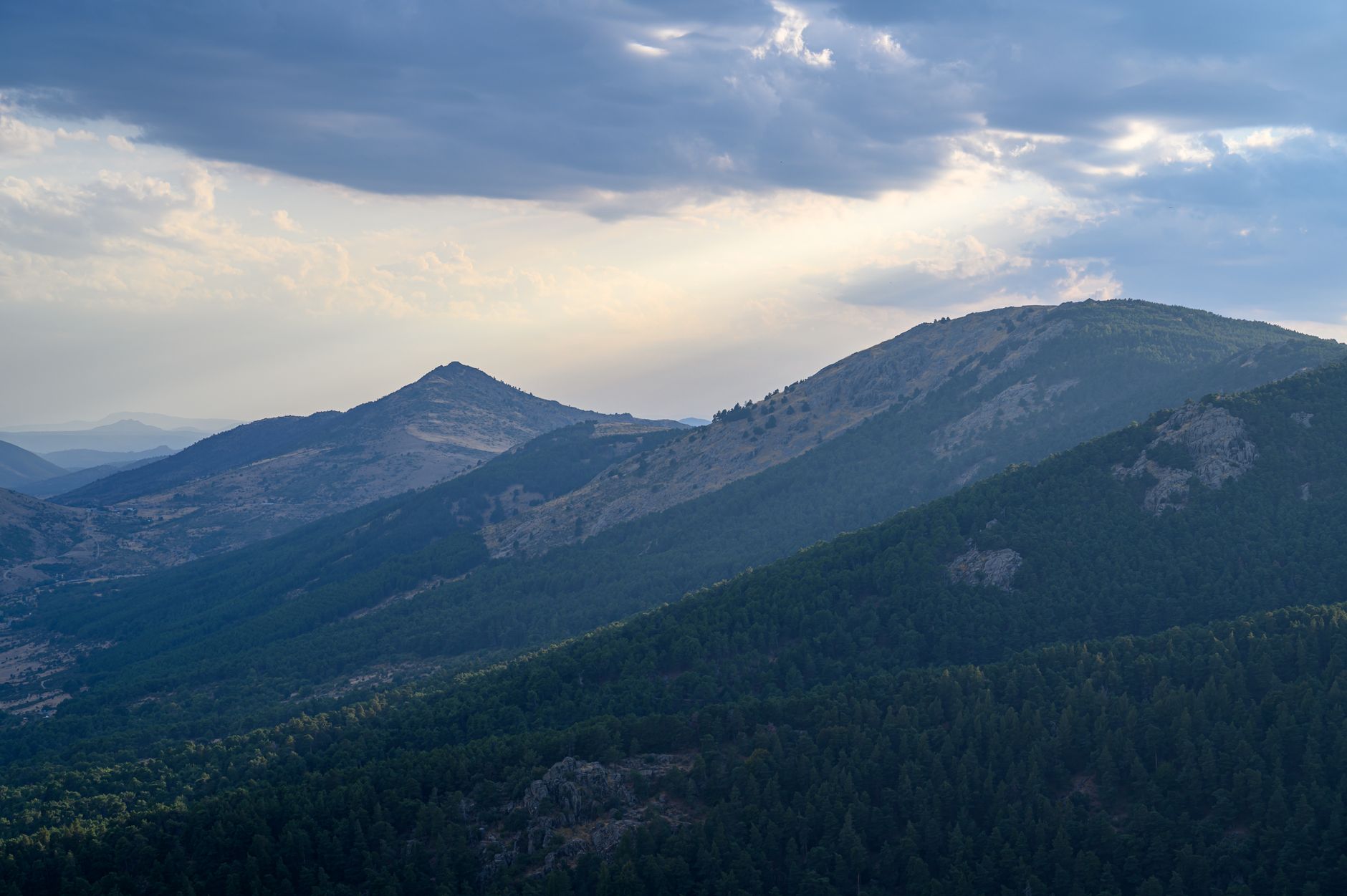
Spain is one of the few countries where a serious collector can pursue four ibex subspecies, two chamois and the aoudad without crossing a second border. For the Mexican hunter already comfortable with international travel and CIC trophy conventions, that concentration of species inside a single regulatory framework makes Spain an unusually efficient place to build a mountain collection. The question is not whether Spain can deliver the animals. It is how to sequence them, what paperwork each requires from Mexico, and how the seasons line up into something coherent.
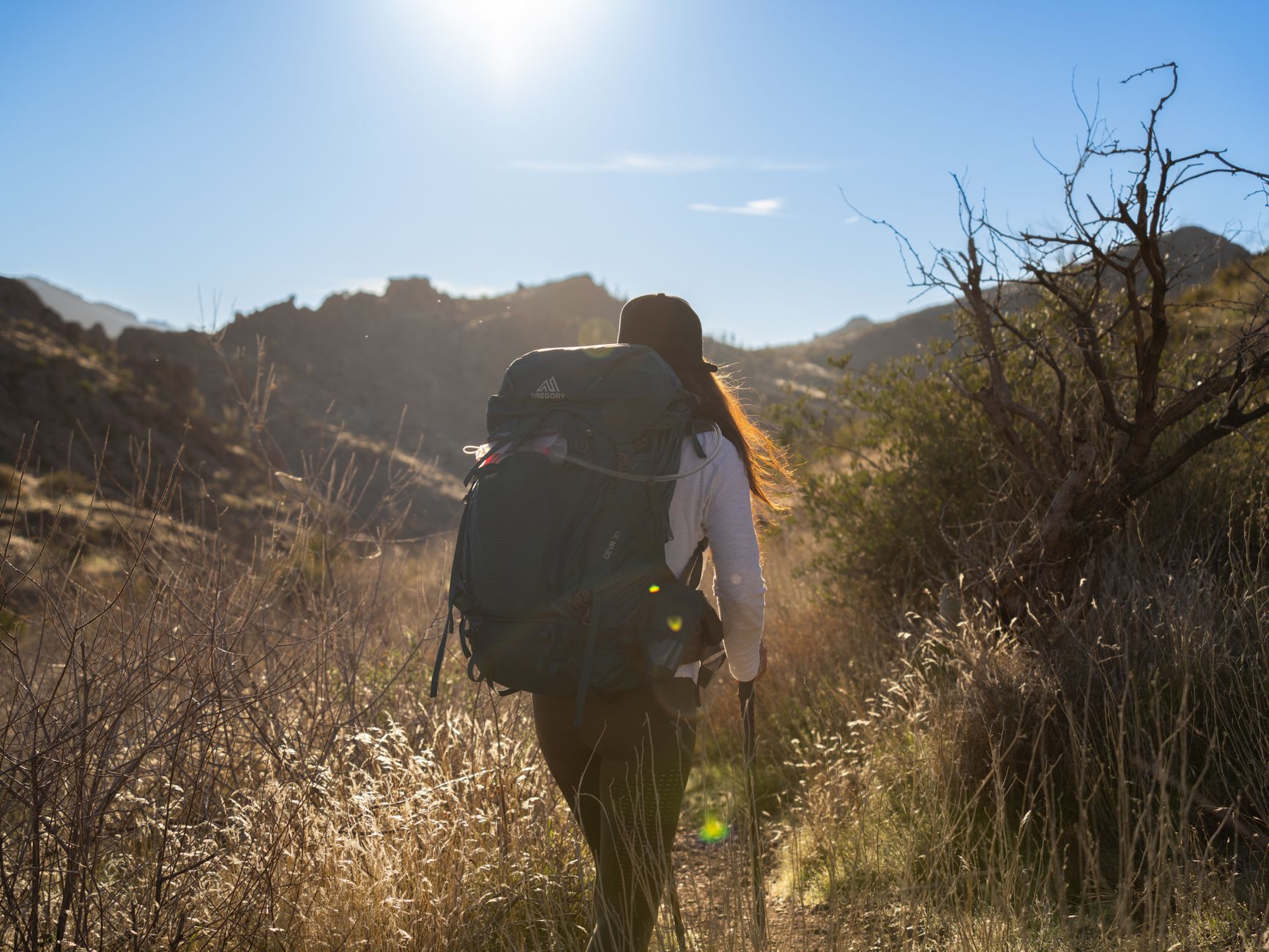
The Species on the Table: What Spain Actually Offers
The core of any Spanish mountain collection is the Spanish ibex, a single species divided into four regional subspecies: Beceite, Gredos, Ronda and Sierra Nevada. Each inhabits its own range, each has its own season and each is hunted by rececho, the classic Iberian stalk. For hunters pursuing the CAPRA World Slam, all four count as separate entries, and so do the two chamois. Which entries Spain contributes to any specific record programme is worth confirming directly with the outfitter, since rules are updated periodically.
Beyond the ibex, Spain holds two chamois: the Pyrenean chamois in the northeastern ranges and the Cantabrian chamois along the northern coast mountains. Both are compact alpine animals hunted at elevation, different in character from anything available in Mexico or most of the Americas. The aoudad (Barbary sheep, known in Spanish as arrui) rounds out the collection. Introduced from North Africa, it now holds wild, free-ranging populations in southeastern Spain, an animal with real horn mass and a hunting style that suits an experienced mountain hunter.
Taken together, that is up to seven distinct mountain trophies, all legally hunted in Spain, all scoring under CIC convention, all exportable to Mexico with the correct paperwork. One point worth stating clearly: the aoudad is listed on CITES Appendix II and requires a CITES export permit. The four ibex subspecies and both chamois are not CITES-listed, which simplifies export considerably for most of the collection.
How the Seasons Align for a Mexican Collector
One practical advantage for collectors building a multi-year plan is that the Spanish seasons are genuinely long and do not all peak at the same moment. A hunter does not have to choose between species on a single trip but can design a sequence across two or three visits.
- Beceite ibex: October to May. The longest window in the ibex calendar, with good light in both autumn and spring.
- Gredos ibex: September to April. The rut, called celo in both ibex and chamois, falls in late autumn and can produce exceptional stalking conditions.
- Ronda ibex: November to May. Ronda's Andalusian terrain pairs well with a Sierra Nevada ibex in the same trip.
- Sierra Nevada ibex: October to May. The highest of the four ranges and often the most physically demanding.
- Pyrenean chamois: October to December and March to May.
- Cantabrian chamois: October to December and April to June.
- Aoudad: September to February. This window overlaps with Gredos and several other ibex seasons, making combination trips realistic.
The Barbary sheep and ibex combination programme shows how the southeastern geography supports pairing these two in a single visit. The Spanish chamois double, combining Pyrenean and Cantabrian, is another sequence experienced mountain hunters find particularly satisfying, since the two animals feel quite different in the field despite sharing the same genus.
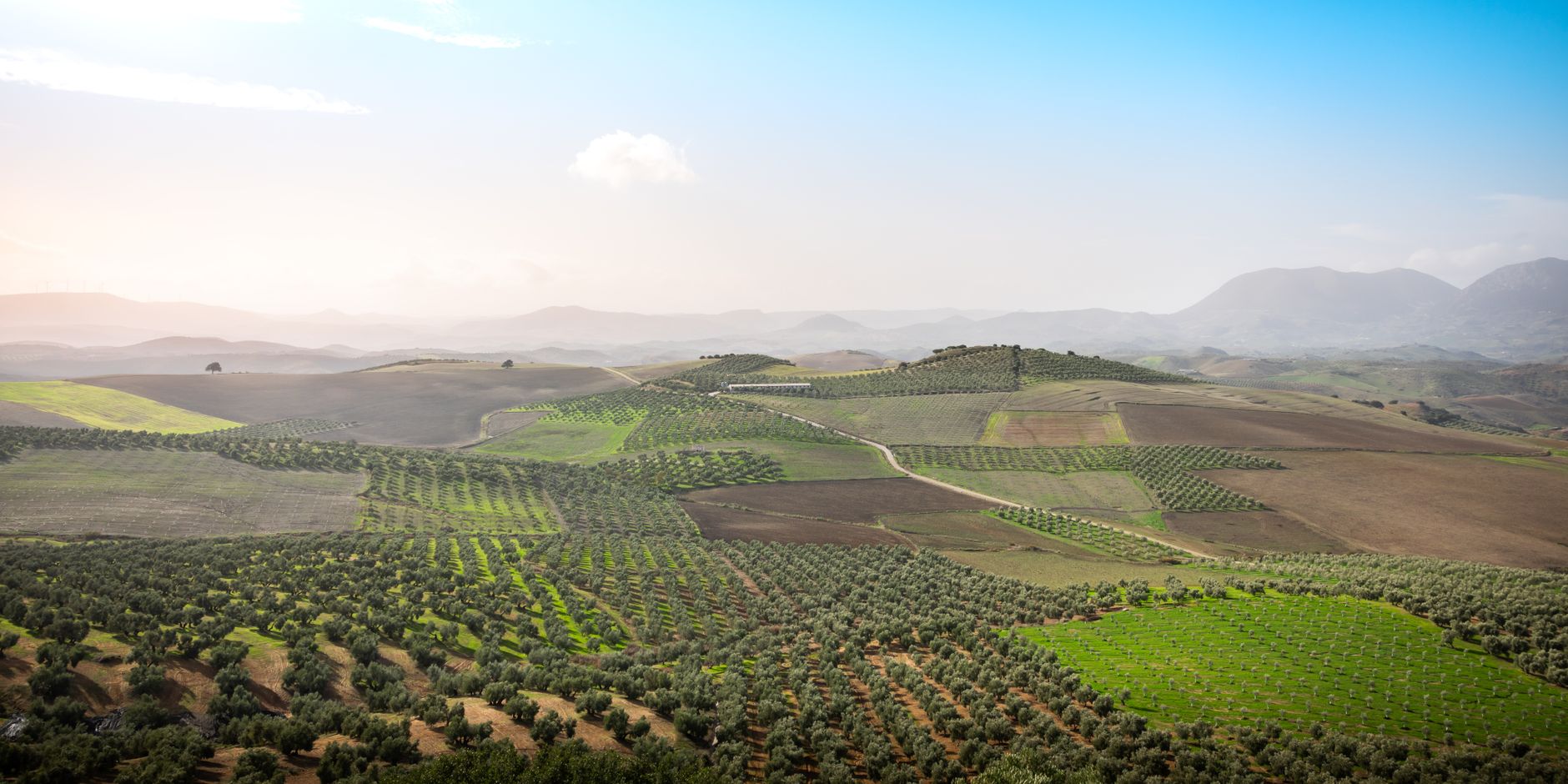
Paperwork from Mexico: What Differs from Other Destinations
Mexican hunters travelling to Spain follow a clear process, but it needs attention to current rules, since specifics, quantities, fees and processing times are set by both governments and can shift between seasons. The structure is consistent: a Spanish hunting licence for the relevant autonomous community, a hunting insurance policy valid in Spain, and, for the firearm, either a temporary import permit for the hunter's own rifle or a rental rifle arranged through the outfitter.
For the aoudad, the CITES Appendix II listing means the trophy leaves Spain on a CITES export permit, and on the Mexican side SEMARNAT handles the CITES step, alongside SENASICA's animal-health rules and a customs broker. The outfitter handles the Spanish side of the process. The hunter should engage the Mexican authority early, since processing can take longer than expected depending on the time of year. The aoudad page for Mexican hunters has more detail on this, and Huntex can advise on the full documentation sequence once a trip is confirmed.
For the rest of the collection, ibex and chamois follow standard trophy export channels without the additional layer of species-specific permits. Taxidermy, caping, official documentation and shipping logistics are all part of what the outfitter coordinates. Any question about what your taxidermist in Mexico will need on arrival is worth raising before the trip, not after.
Questions Mexican Hunters Ask Before Booking Spain
Can I combine the aoudad with one or two ibex subspecies in the same trip?
Yes. The aoudad season in southeastern Spain overlaps with Beceite and several other ibex seasons, and the geography is compatible. The minimum days needed per animal should be worked out with the outfitter when building the itinerary.
Do I need a separate hunting licence for each Spanish region?
Spanish hunting licences are issued at the autonomous community level, so a hunter pursuing ibex in Andalusia and chamois in the Pyrenees on the same trip will need licences for each region. The outfitter arranges these as part of the planning process.
How does CIC scoring compare to what I know from SCI conventions?
CIC and SCI use different formulas and produce scores that are not directly equivalent. The guide CIC Trophy Scoring Explained covers the main differences in detail.
Is the Spanish ibex Grand Slam something I can complete in one trip from Mexico?
It is possible to design a single extended trip covering all four subspecies, though it requires careful scheduling across multiple regions. The Grand Slam in a single trip programme and the ibex Grand Slam page for Mexican hunters both lay out how this works in practice.
Planning a Collection, Not Just a Hunt
The Mexican collector with three or four Spanish species already in hand approaches a Spain trip differently from a first-time visitor. The focus shifts to the quality of a particular subspecies, to the right season for the celo, to pairing the chamois double with something in the south, or to completing the Grand Slam on a timeline that suits a busy calendar. Spain accommodates all of these angles, but each requires a different proposal.
The CAPRA World Slam programme is worth reviewing for any collector interested in how Spain's entries fit into a broader global pursuit. The full seasons calendar is a useful reference when matching available dates to target species.
When you are ready to work through the specifics, share your target species and the months that suit your calendar. Huntex will confirm current availability and put together a proposal built around your collection.