
Weather and Conditions by Spanish Hunting Region
Spain's hunting regions span five distinct climate zones. Knowing what weather to expect in each one shapes your dates, your gear and the quality of your hunt.
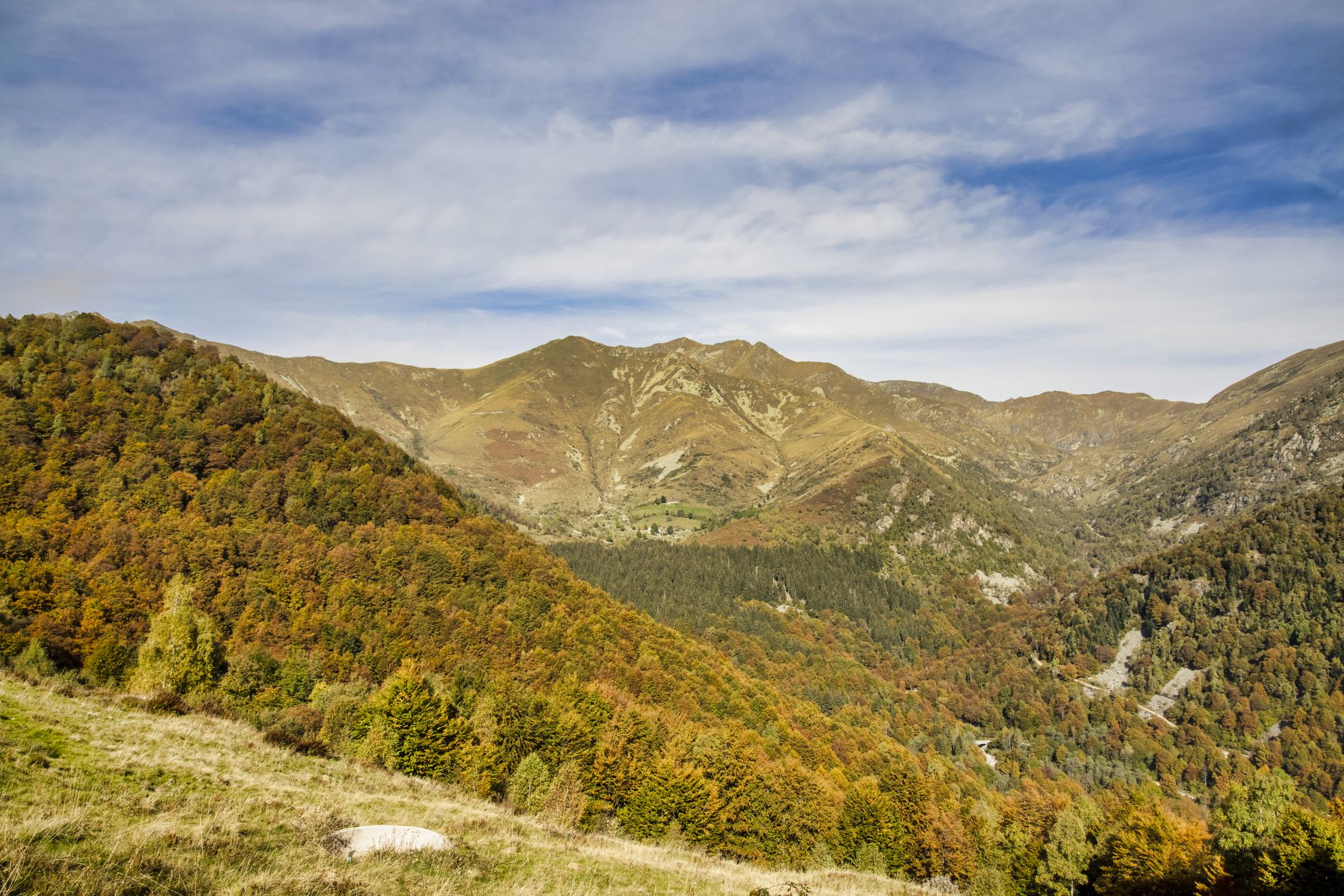
Spain's hunting regions span five distinct climate zones, and the difference between them is not merely scenic. A Pyrenean chamois hunt in October can put you above the snowline in full winter conditions, while a red-legged partridge day in Castile that same month may feel like a warm autumn afternoon. Understanding how weather, altitude and terrain interact across Spain's main hunting areas is one of the most practical steps a hunter or booking agent can take before fixing dates.
Why Regional Weather Matters More Than the National Calendar
Spain's hunting seasons are set regionally by each autonomous community, and the biological calendar of each species adds another layer on top. But climate is the variable that turns a confirmed season date into a productive or uncomfortable experience in the field. Rain, heat, wind and snow each affect animal movement, scent, visibility and the physical demands on the hunter. Getting the regional weather picture right matters as much as getting the season right.
The Pyrenees: Mountain Cold, Snow and Short Windows
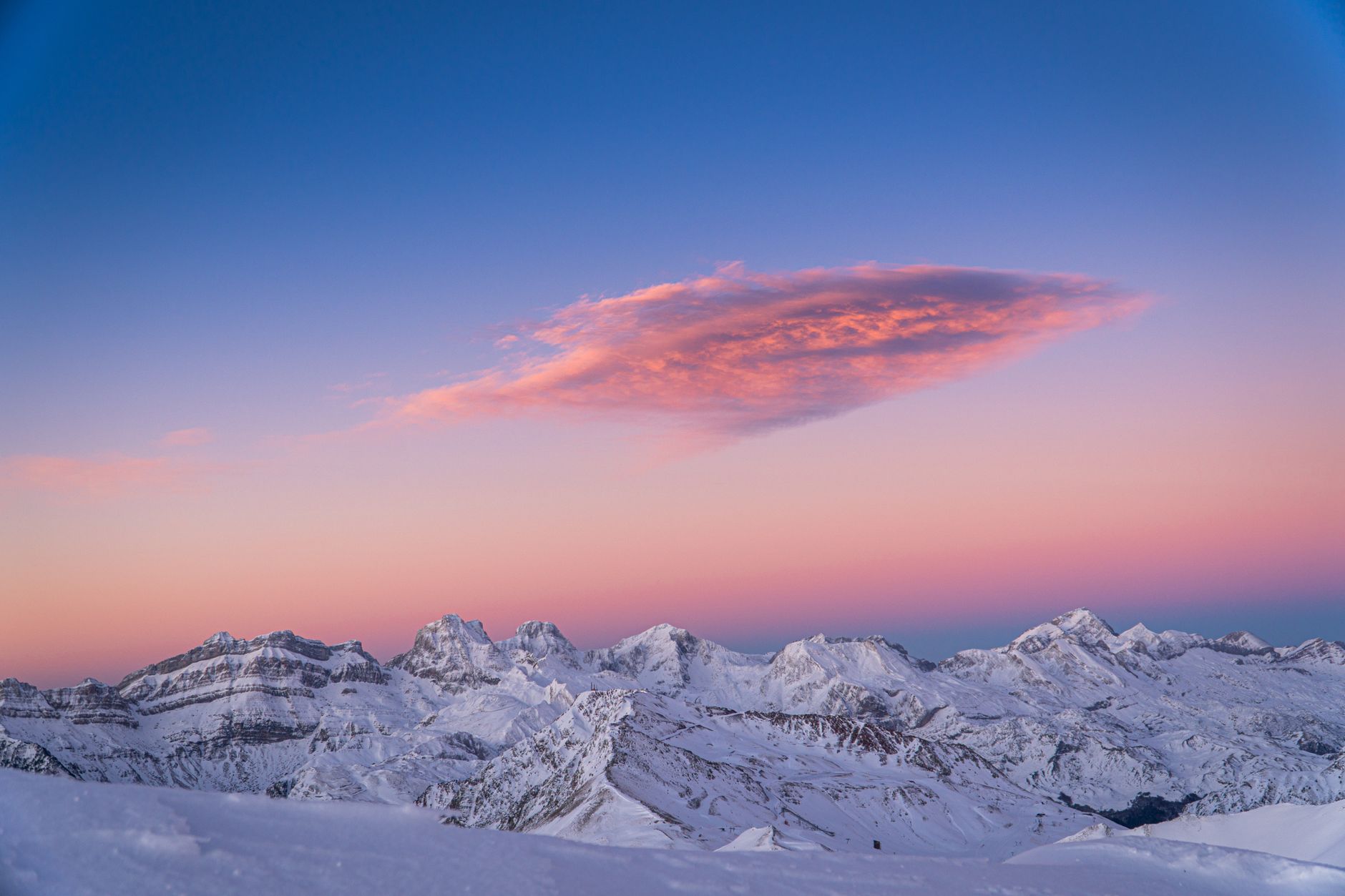
The Spanish Pyrenees are the coldest and wettest of Spain's hunting regions, with conditions that change quickly at altitude. The Pyrenean chamois season typically runs into autumn and early winter, when temperatures above 1,800 metres can drop well below freezing and snowfall is a realistic daily possibility from October onward. Dark morning starts, icy approach trails and afternoon cloud closing in fast are normal features of a Pyrenean stalk, not exceptions. Winds in the high Pyrenees funnel through valleys unpredictably, which matters for scent discipline. The same conditions that make the hunt demanding make it rewarding: animals are active, coats are in condition, and the mountain is at its most dramatic.
Layering systems rated for genuine mountain cold are essential, and keeping the itinerary flexible is sensible because weather windows here close without warning.
Cantabrian Mountains and the Green North: Rain and Mild Temperatures
The Cantabrian range and the broader Atlantic north receive considerably more rainfall than any other hunting zone in the country. This is the Spain of dense oakwood, green hillsides and persistent low cloud. Temperatures are moderate and rarely extreme, but sustained rain over several days is common through autumn and winter. Red stag and roe deer country in this zone benefits from lush vegetation, which also means visibility is shorter than in drier regions. Hunting the Cantabrian tends to involve wet boots, mist on the hillsides and a lodge that earns its warmth. Waterproof outerwear rated for sustained rain, not just a passing shower, is the relevant standard.
The Central System: Extremes in Both Directions
The Gredos, Guadarrama and related ranges of the Central System are the heartland of Gredos ibex hunting and some of Spain's finest red stag ground. The climate here is continental mountain: summers hot and dry, winters genuinely cold with regular snow above 1,500 metres, and the seasons between them short and changeable. The red stag rut falls in September and early October, when the Central System is still largely dry and pleasant by day but can drop sharply overnight. By November, snow is possible at altitude. The Gredos ibex season extends into winter, bringing cold, stable conditions with good visibility alongside the possibility of frozen ground and ice on north-facing slopes.
The altitude range of these hunts varies considerably. A Gredos stalk might begin at a moderate elevation and climb past 2,000 metres, meaning what feels like a mild morning at the vehicle can be a cold, windy ridge two hours later.
The Iberian Range and Eastern Highlands: Drier, More Open, More Variable
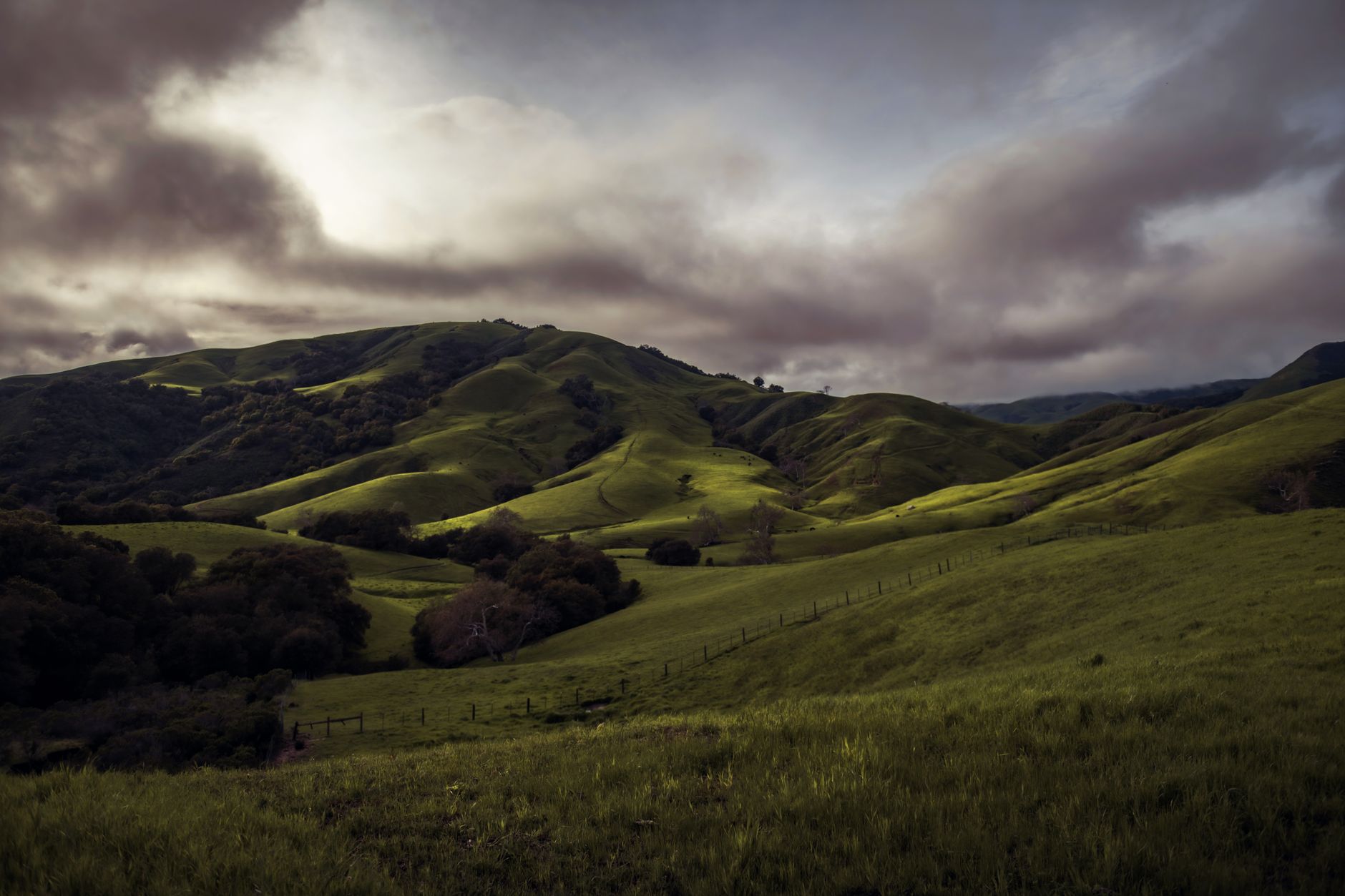
The Iberian range and the elevated plateaus of Aragon, Castile and Valencia host several of Spain's ibex subspecies, among them the Beceite ibex in the limestone massifs near the Mediterranean watershed. This zone is drier than either the Pyrenees or the Cantabrian north, with lower annual rainfall and more sunshine, particularly from spring onward. Autumn hunting here tends to be comfortable: temperatures moderate, rain less frequent, and visibility across the rocky ridgelines often excellent. Winter can bring cold snaps and occasional snow, but sustained precipitation is less likely than in the Atlantic zones. Hunters who find extreme cold or persistent rain physically demanding may find this region's autumn window easier to manage, though wind on exposed limestone ridges can be significant.
Andalusia and the South: Mild Winters, Hot Approaches
The southern sierras of Granada, Malaga and Cadiz are the territory of the southeastern and Ronda ibex subspecies, as well as mouflon and aoudad on some estates. Winters are mild at low and middle altitudes, with rain arriving mainly between November and February. Snow is possible on the highest peaks of the Sierra Nevada and the sierras of Cazorla and Segura, but the hunting terrain for most species sits below the reliable snowline. September and early October, which coincide with some species' peak activity, can still be genuinely hot in Andalusia, particularly at lower elevations. Early morning starts matter more here than anywhere else in Spain during that window. By November, temperatures become comfortable through most of the day, and the light in the Andalusian sierra has a quality that makes the hours in the field particularly pleasant.
Hunters combining a hunt with time on the coast will find that Andalusia's mild winter climate makes the pairing natural: the hunting days are cool enough to be enjoyable, and the coastal days that follow are genuinely warm.
Castilian Plains and Driven Hunt Country: Wind and Open Ground
The broad cereal plains and dehesa estates of Castile, Extremadura and parts of Andalusia are the setting for driven wild boar and driven red-legged partridge. This is flat or gently rolling country with an exposed continental character. Winters are cold, often grey and frequently windy. The wind matters practically: it shapes bird flight in an ojeo and scent dispersion in a monteria. Experienced outfitters read it when positioning guns, and local guides will have strong opinions about where to stand on a given day. Rain tends to arrive in fronts rather than sustained drizzle, and a clear, cold day with a north wind is widely considered ideal for driven game birds.
For more on how driven formats work across these landscapes, the driven hunts section covers the main formats and species in detail.
Using Weather to Choose Your Dates, Not Just Your Species
The practical point for hunters and agents planning a Spanish trip is that species and region should be chosen alongside the seasonal weather picture. A physically demanding high-mountain stalk in the Pyrenees or the Central System deserves honest preparation for genuine mountain conditions. A driven hunt on the Castilian plain in January calls for wind-appropriate layering and an expectation of cold, open exposure. An Andalusian ibex hunt in October is a different physical and logistical proposition from the same hunt in December.
The seasons page sets out the legal windows by species. What this guide adds is the layer between the calendar and the field: what the ground, the air and the sky are likely to give you when you get there.
If you have dates in mind and a target species, share them with us and we will put together a proposal that accounts for the regional conditions you are most likely to encounter, including the right window, the right grounds and a companion programme if someone is travelling with you. Reach out here and we will come back to you directly.