
What to Pack for a Mountain Hunt in Spain
Spain's mountain terrain demands thoughtful preparation. This guide covers every layer, piece of gear and document you need before the stalk begins.
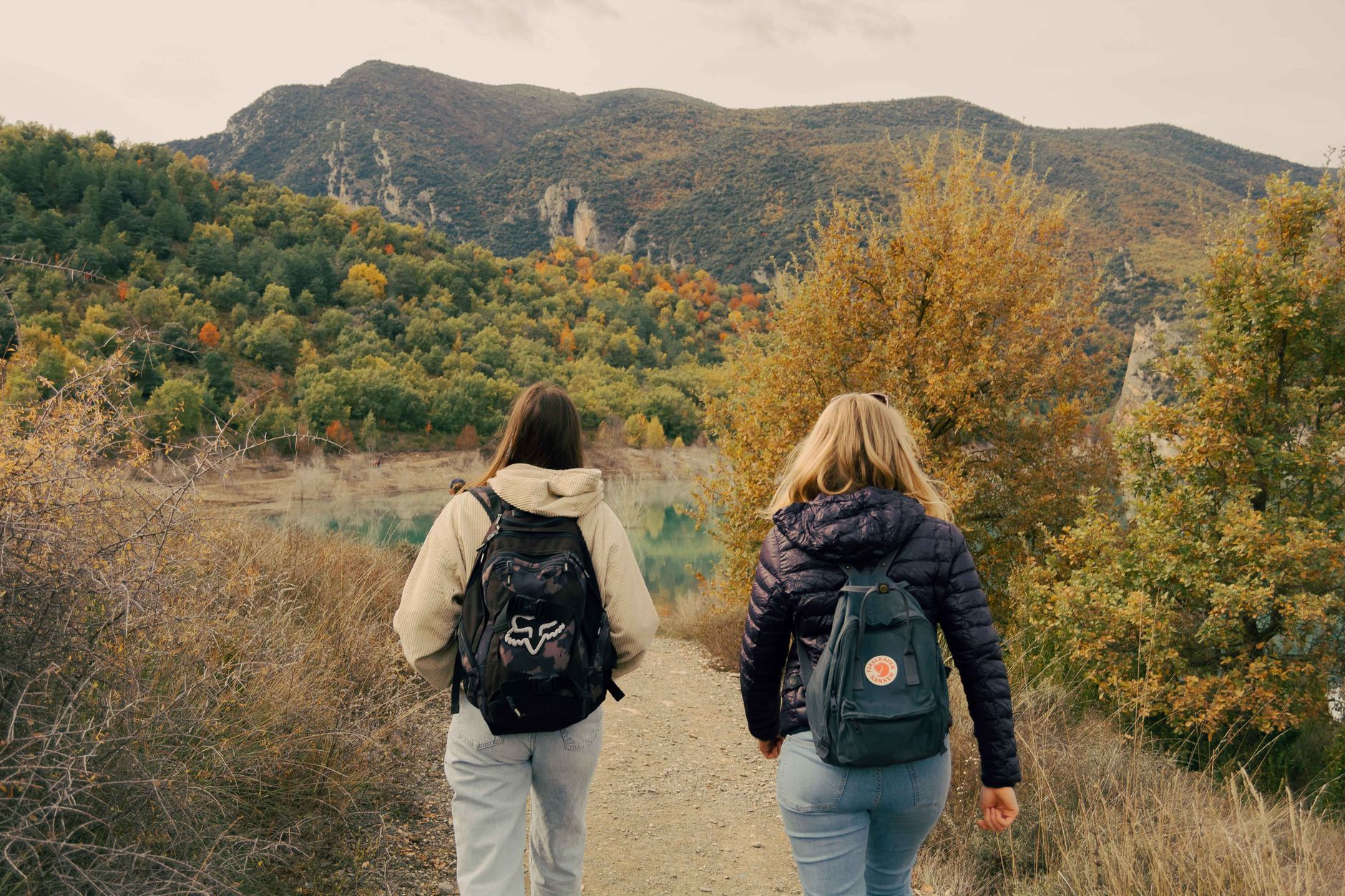
A mountain hunt in Spain, whether you are after Beceite ibex, Gredos ibex, Pyrenean chamois or any of the four subspecies in the Grand Slam, begins long before the alarm sounds on the first morning. The difference between a comfortable, focused stalk and a miserable one usually comes down to what you packed. Spanish high country runs from Andalusia to the Pyrenees, altitudes vary considerably, and the weather can shift from warm sun to driving rain or sleet within a single afternoon. The list below is built around that reality.
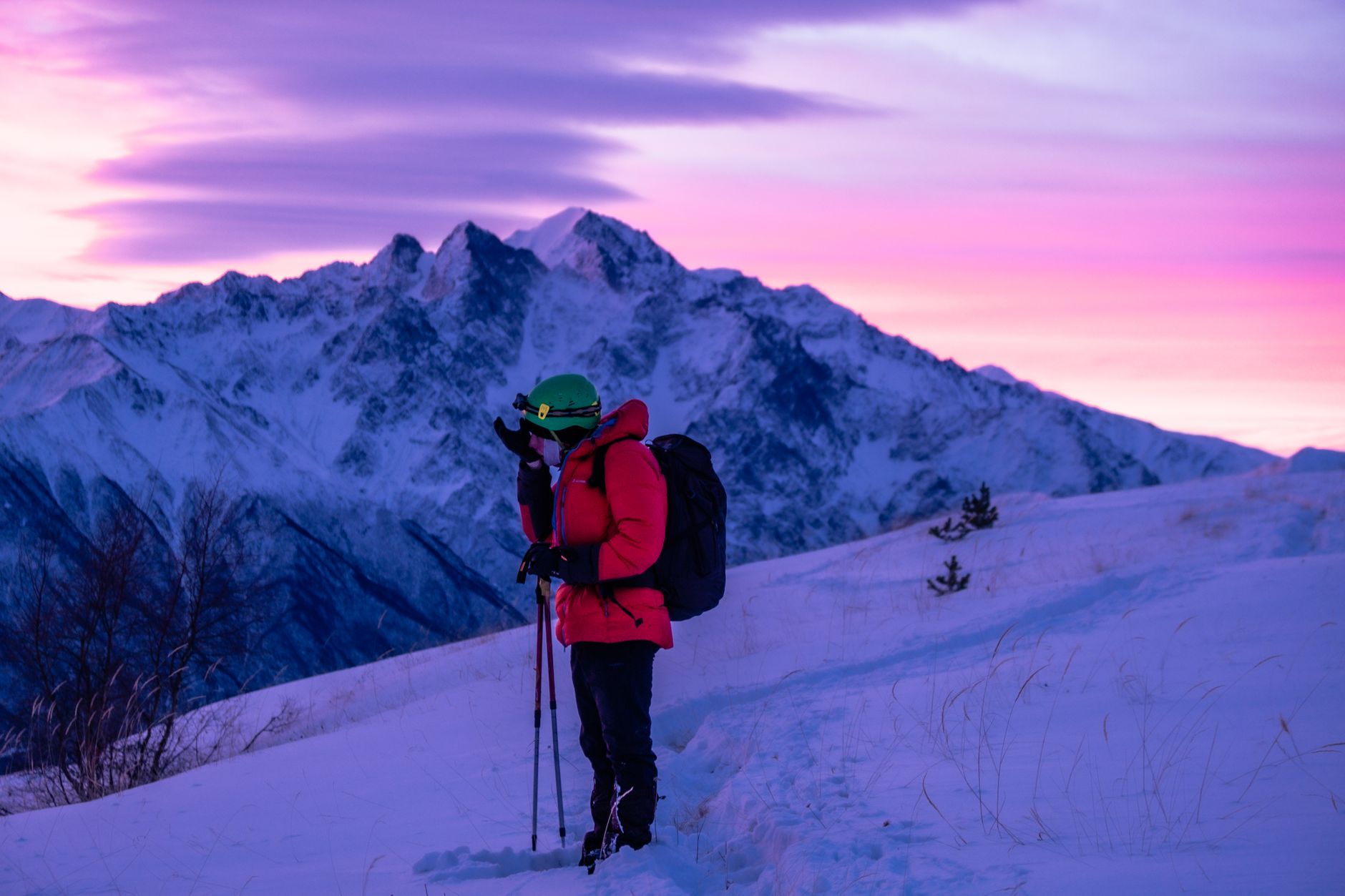
Understanding the Terrain Before You Pack
Spain's mountain hunting areas are far from uniform. The limestone ridges of the southeast, the granite massifs of the central ranges and the wet, heavily vegetated Pyrenean slopes each reward slightly different choices. As a rule, expect steep and loose ground, long approaches on foot and significant elevation gain. Temperatures at the start of a stalk and at the top of a ridge can differ by ten degrees or more, so pack for the whole range you are likely to cross in a single day, not just the conditions at the trailhead.
Footwear: The Most Important Decision on the List
Your boots will determine more about your day than any other item. For Spanish mountain hunting, a mid to full-height boot with a stiff shank, aggressive outsole and genuine waterproofing is the baseline. Leather or hybrid constructions broken in well before you travel are far preferable to anything fresh out of the box. Blisters on day two of a five-day stalk are a serious problem. Bring a second pair of lighter shoes or camp footwear so your primary boots can dry overnight, and pack wool or synthetic merino socks in two or three weights. They earn the luggage space.
The Layering System That Works in Spanish Mountains
Three layers cover most of what you will encounter.
- Base layer: Merino wool or a performance synthetic that moves moisture away from your skin. Bring at least two sets so one is always clean and dry.
- Mid layer: A fleece or lightweight insulated jacket that stows easily when you are moving hard and pulls on quickly during a glassing pause or a long wait on an exposed ridge.
- Outer shell: A breathable, waterproof and windproof jacket and trousers built for genuine mountain weather. Gore-Tex or an equivalent construction is worth the investment. In the Pyrenees especially, you will need it.
A lightweight insulated gilet sits usefully between mid and shell when temperatures are marginal. Avoid cotton in any layer. Wet cotton stays wet and loses its insulating value entirely.
Head, Hands and Neck
A merino or fleece beanie weighs almost nothing and earns its place on every stalk. A lightweight buff or neck gaiter handles wind on exposed ridges. For gloves, bring two pairs: a liner for movement and a warmer, possibly waterproof glove for static periods. Cold hands and poor trigger control are a pairing no one wants. A brimmed cap is useful on sunny southern exposures, particularly in Andalusia and the southeast where afternoon light can be punishing even in winter.
Optics: Pack Well and Protect Them
Spanish mountain hunting is built around glassing, often for hours, before a stalk begins. Quality binoculars in the 8x42 or 10x42 range are the tool you will reach for most. A compact tripod or window mount for extended glassing sessions is worth carrying. If you are using your own riflescope, confirm your zero before you travel, not at the range on the morning of the hunt. Lens cloths, a rain cover and a binocular harness rather than a neck strap all matter across a full day in the field.
Pack and Daypack Essentials
A well-fitted daypack in the 25 to 35 litre range handles most mountain hunting days. Beyond your layers, the following earn their weight consistently.
- Water, more than you expect to need. Springs exist in many areas but are not guaranteed, and dehydration at altitude comes on faster than most hunters anticipate.
- High-calorie food for a full day. Your guide will often carry provisions, but self-sufficiency is a sound habit.
- A basic first aid kit: blister treatment, an elastic bandage and any personal medication.
- A compact headlamp with spare batteries. Early starts and late finishes are the norm.
- Trekking poles. Opinion divides on these, but on Spanish limestone and loose granite they reduce knee strain considerably on the descent.
- A lightweight emergency bivy or space blanket, particularly on higher-altitude hunts where weather can close in quickly.
- Sunscreen, even in autumn and winter. Reflected light at altitude burns fast.
Clothing for the Lodge and Travel Days
Huntex hunts are bespoke experiences and the lodges chosen for your programme lean toward comfort rather than austerity. A set of smart-casual clothes for evenings is entirely appropriate: one or two collared shirts, comfortable trousers and a layer for cool evenings. Keep hunting clothes and lodge clothes separate in your luggage from the start.
Documents, Firearms and What Goes in Your Carry-On
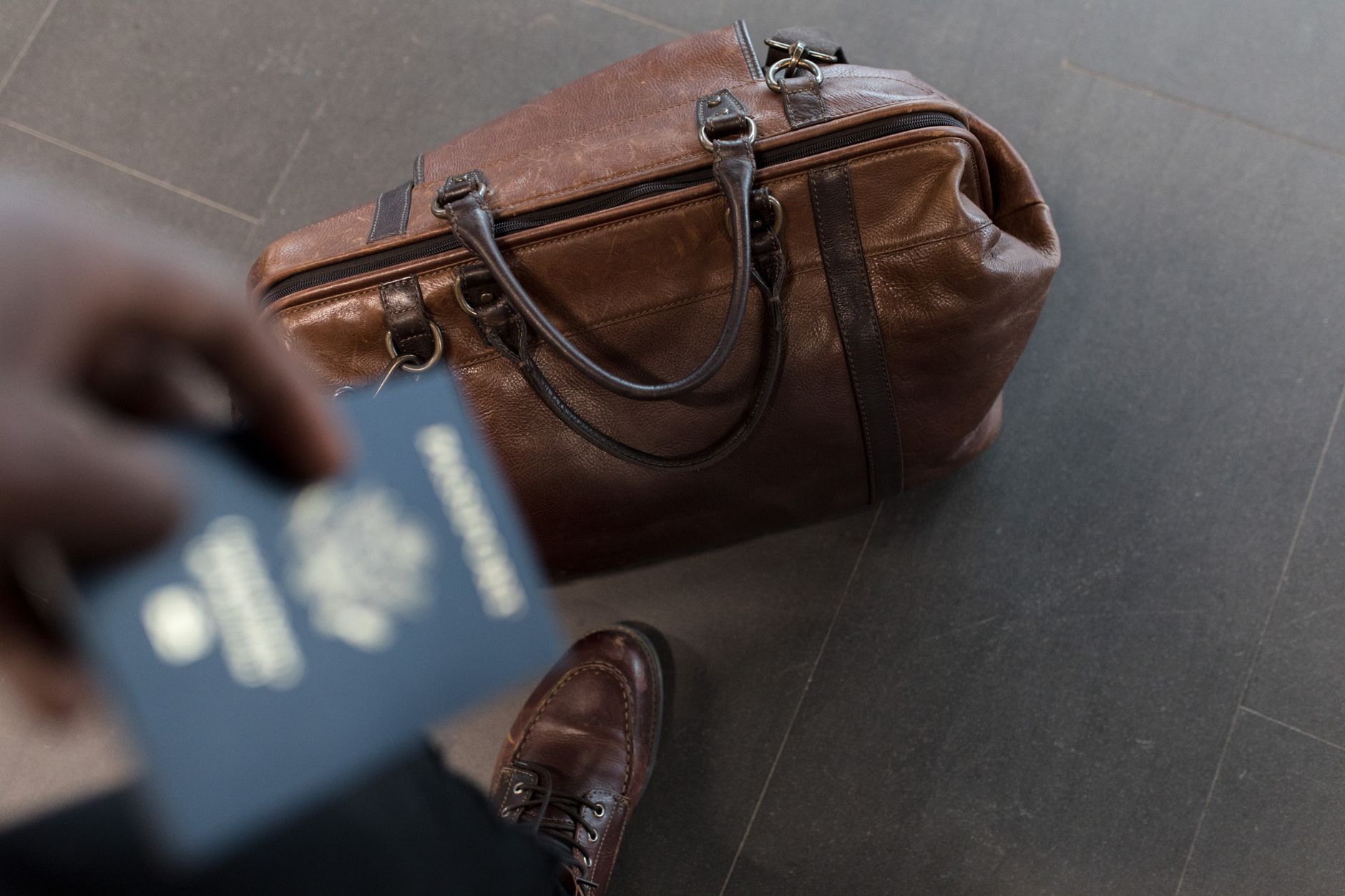
If you are travelling with your own rifle, the temporary import process requires documentation prepared in advance and carried on your person through Spanish customs. The exact paperwork depends on your country of origin and the current season's requirements, so confirm the full list with your outfitter well ahead of travel. Many hunters choose a rental rifle arranged through the outfitter, which simplifies the journey considerably. Either way, the following travel with you in your carry-on.
- Passport and any visas required for Spain.
- Your hunting licence and permits issued for the specific grounds and species.
- Travel and hunting insurance documents.
- Firearm import permit copies, if applicable.
- Emergency contact details for your outfitter.
- A copy of your itinerary.
Optics, medications and anything else you cannot replace in the field also belong in your carry-on. Checked luggage goes missing often enough that the rule is worth following without exception.
What to Leave Behind
Heavy cotton field trousers, rubber wellington boots, non-waterproof bags and anything you have not tested before travel. The mountain will expose every weakness in your kit on the first morning, so wear your boots on training walks beforehand, test your layering system in wet weather and know which pockets you reach for instinctively before you board the flight.
Preparing for the Specific Hunt on Your Programme
The packing list for a chamois hunt in the wet northern Pyrenees differs in meaningful ways from one for a southeastern ibex hunt on dry, sun-facing limestone. When Huntex puts together your bespoke proposal, the grounds, the season window and the likely conditions are all part of the conversation. That is the right moment to ask about typical temperatures, daily elevation gain and any kit specifics for those particular grounds.
If you have dates in mind and a target species, send them through via the contact page and we will come back to you with confirmed availability and a proposal built around your hunt, including any kit questions you want answered before you start packing.