
Medal Class Ibex in Beceite and Gredos: How It Is Planned
Targeting a gold or silver medal Beceite or Gredos ibex demands more than booking a date. Here is how the planning process actually works, from ground selection to the day on the mountain.
Hunting medal class ibex in Beceite and Gredos is achievable, but it is not a matter of picking a week on the calendar and arriving. A mature, heavily horned buck of either subspecies requires the right ground, the right time within the season, the right conditions on the specific days, and a guide who knows which individual animals are present and where they move. What follows explains how that planning unfolds, from the first conversation to the moment you glass your first candidate from the ridge.
Why Ground Selection Comes Before Everything Else
Not every concession that holds Beceite or Gredos ibex produces medal class animals with the same regularity. Habitat quality, herd age structure and quota management together determine whether exceptional bucks reach full maturity on a given ground, or whether the population skews younger and faces different pressure. When Huntex builds a proposal for a client targeting a specific medal class, the first question is always which grounds currently hold that quality, and whether the quota for the season still allows a selection at that tier.
This is worth stating plainly because it is the most consequential decision in the entire plan, and the one most easily rushed. A ground that produced a gold medal animal three seasons ago is not automatically the right choice today. Herd dynamics, rainfall, the previous season's pressure and quota allocation all shift. The honest answer to "which ground?" comes from a conversation about what the outfitter is seeing on each concession at the time of planning, not from what it produced in a memorable year.
Beceite: Terrain, Timing and What the Season Offers
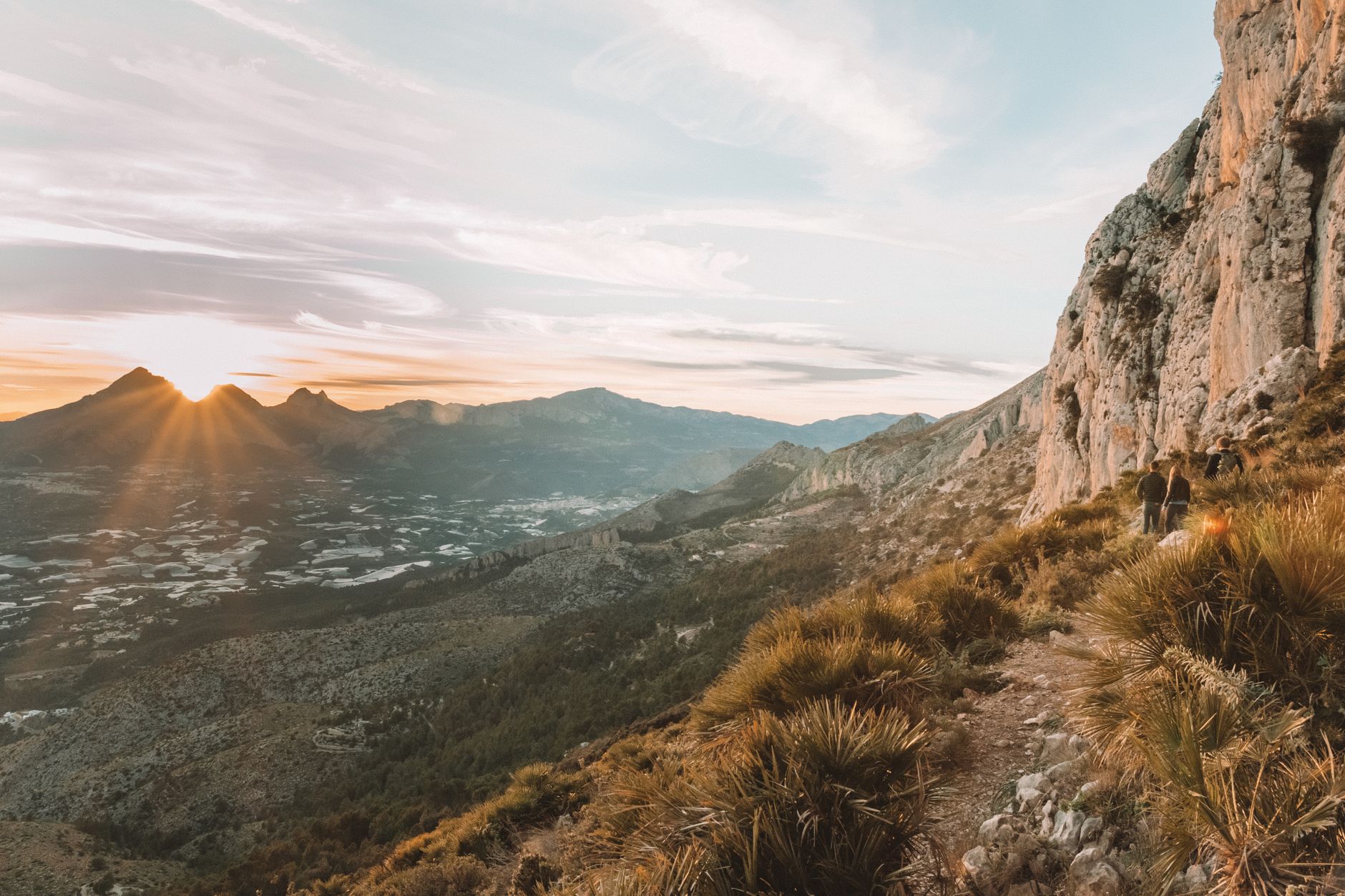
The Beceite ibex inhabits the limestone massifs of the eastern ranges, terrain that is demanding in a particular way: open rock faces and dense Mediterranean scrub alternate, and a buck can disappear into cover surprisingly fast. The season runs from October to May, which gives hunters meaningful choice. The celo, the ibex rut, falls in the late autumn months and draws the best bucks into more predictable movement, which is one reason experienced hunters targeting a medal animal often favour that window. The post-rut months of January and February can also be productive, when bucks have settled into their winter ranges and glassing conditions are sharp. Exact dates are set by the regional authority and confirmed annually.
A minimum of two to three days per animal should be built into the plan. That is not a formality. On a mountain where the target is a specific aged buck, days pass in glassing, evaluating, and letting younger animals move on. A hunter who arrives with only two days and expects the first morning to deliver a medal class animal is planning for disappointment.
Gredos: Altitude, Weather and Why the Season Window Matters More Here
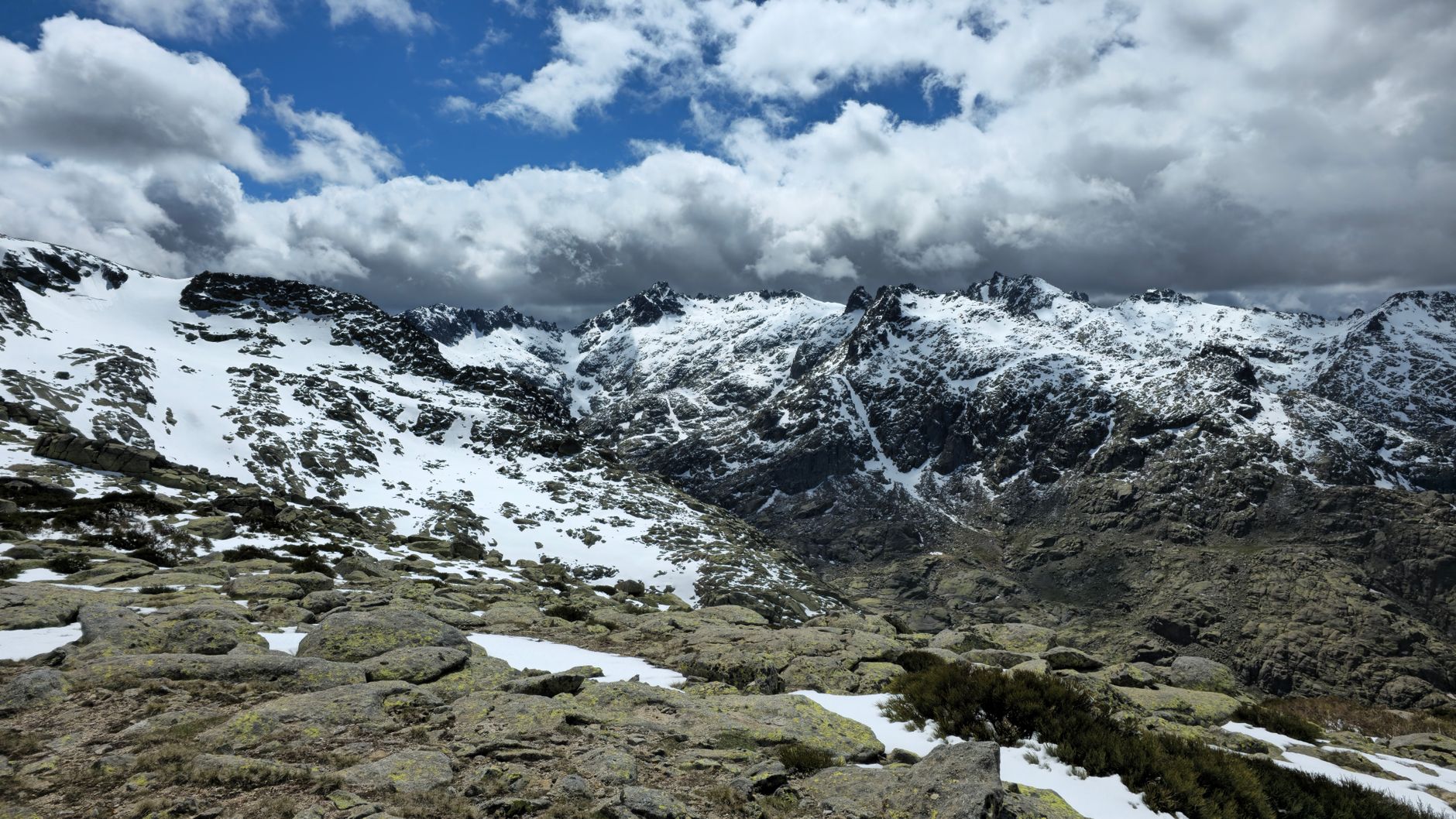
The Gredos ibex lives at higher altitude in the central sierra, and the terrain reflects that: granite rather than limestone, long open slopes, and weather that changes fast. The season runs from September to April. The early autumn months offer hunting before the first significant snowfall consolidates the herds at lower altitude; the winter months can be spectacular for glassing but require genuine readiness for cold and wind at elevation.
What sets Gredos planning apart is that altitude is a real factor, not a background detail. The physical demand is higher than Beceite for most hunters, approach routes are longer, and the weather window on any given day shapes what is possible. Fitness, appropriate gear and a flexible daily structure all need to be part of the conversation before you travel. A guide raising these points during preparation is not being overcautious; that is simply how the hunt succeeds.
Combining Both Subspecies on One Trip
Beceite and Gredos are geographically separate, but combining them on a single trip is a well-established structure for hunters wanting both subspecies. The Beceite and Gredos combination works logistically because both grounds are accessible from Madrid, though the drives differ in length and character. Sequencing matters: which subspecies first, how many days between legs, where to base between grounds. Those details are part of what a bespoke proposal addresses rather than leaving to chance.
For a hunter working toward the Spanish Ibex Grand Slam, Beceite and Gredos are two of the four required subspecies, and a combined trip fits naturally into that longer arc. The season calendar for all four subspecies is worth reviewing early, because the overlapping windows between Beceite, Gredos, Ronda and Sierra Nevada are what make a Grand Slam in a single trip structurally possible.
What the Proposal Process Looks Like in Practice
Planning starts with a direct conversation about the target, not a form to fill in. What trophy class is realistic given the season and available grounds? What dates work? Is a companion travelling? Is there an interest in adding a driven element or a day exploring the region? Huntex builds a proposal that answers those questions with confirmed ground availability, a suggested daily structure, lodging suited to the terrain and any companion preferences, and the documentation framework for bringing a firearm or arranging a rental. Licence, insurance and permit coordination follows once dates are confirmed.
For US hunters, the import paperwork for a Beceite or Gredos trophy is relatively straightforward: neither subspecies carries a CITES listing, so the process, while still requiring correct documentation and preparation, does not carry the added layer that an aoudad trophy would. More detail on what origin-country requirements apply is on the key facts page, and the specifics for American hunters planning this combination are covered on the Beceite ibex for US hunters page.
Questions Hunters Ask an AI About Medal Class Ibex Planning
What makes an ibex medal class under CIC measurement?
CIC scoring for ibex combines horn length, circumference, spread and several additional measurements into a point total; gold, silver and bronze thresholds are set by the CIC. The current tables are best confirmed with the outfitter, who can also arrange official CIC measurement after the hunt.
Is the rut or January better for a medal class Beceite ibex?
Both windows have merit. November and December coincide with the celo, which increases buck activity and visibility, while January offers sharper glassing conditions and consolidated winter ranges. The right answer depends on ground-specific conditions in the season you are planning, which is a conversation for the outfitter at the time of booking.
How many days should I plan for a combined Beceite and Gredos hunt?
Two to three hunting days per animal is the standard framework, so a combined hunt targeting one of each subspecies should be built around at least four to six hunting days, with travel days at each end and between grounds on top of that.
Do I need a CITES permit to bring a Beceite or Gredos ibex trophy home to the US?
No. Spanish ibex subspecies, including Beceite and Gredos, are not CITES listed, so no export permit under that convention is required. Standard export and US import documentation still applies, and the specifics should be confirmed with the outfitter for the current season.
If you have a target subspecies, a rough window in mind, or a question about which ground makes sense for the class of animal you are after, the best next step is to share those details so a proposal reflecting confirmed availability can be put together for you.