
Monteria Etiquette: What Happens on the Day
A monteria follows a clear, time-honoured sequence. Knowing the etiquette before you arrive makes you a better guest and a safer gun on the line.
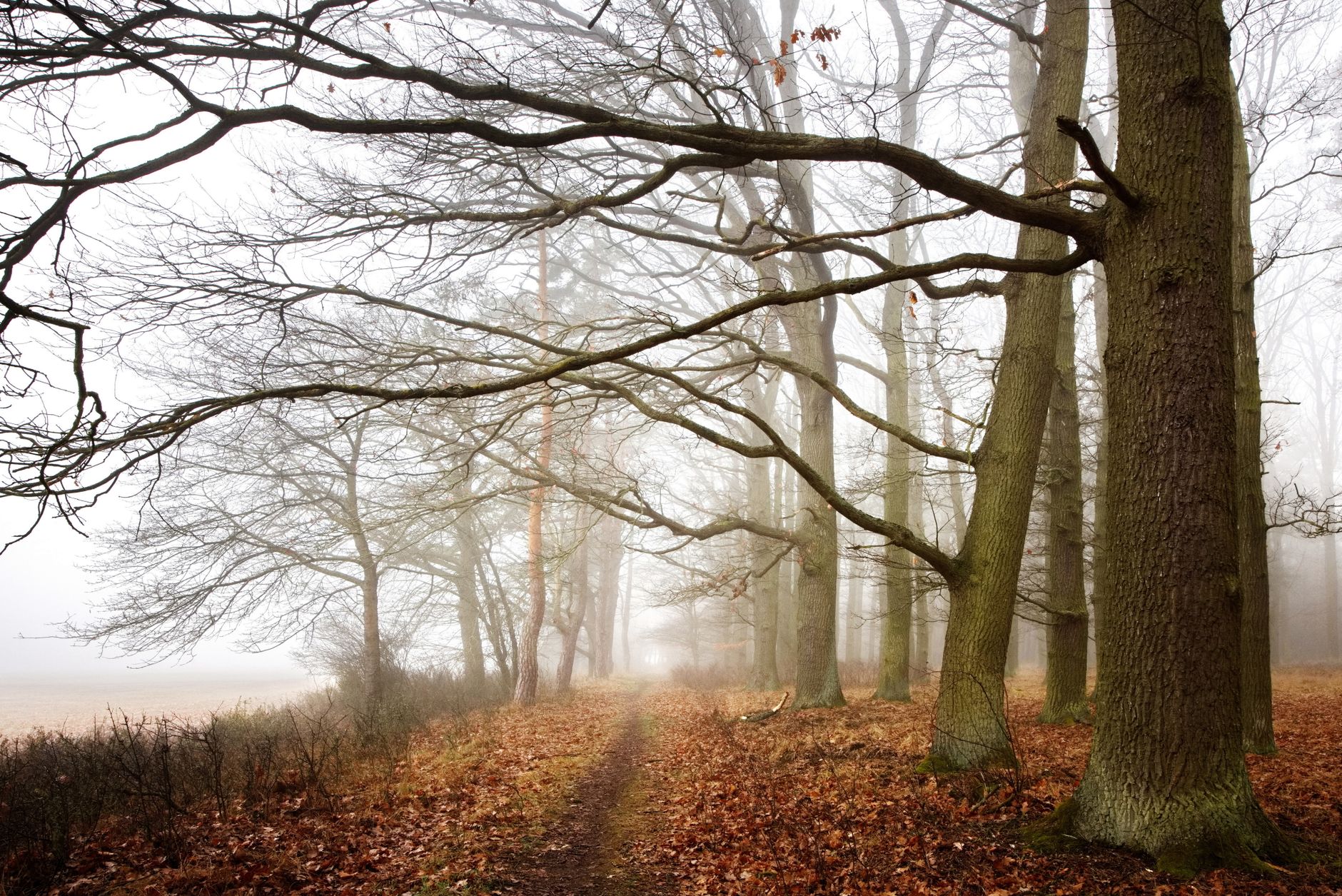
A monteria is one of the most distinctive hunting traditions in Spain: a large-scale driven hunt, most commonly for wild boar and red deer, organised across a defined mancha, the enclosed woodland block through which the hounds and beaters work. The day follows a structure that has changed little over generations. Arriving with a clear understanding of that structure, and of the etiquette expected of every gun, is what separates a guest who fits naturally into the day from one who causes friction without meaning to.
This guide covers the monteria from first light to the final tally: the sequence of events, your responsibilities at the post, the role of the dogs and organisers, and the unwritten rules that carry as much weight as the written ones. For a broader look at driven hunting in Spain, see our driven hunts overview, and for detail on the species itself, the wild boar hunting page covers ground, season and expectations.
The Structure of a Monteria Day
The day begins well before the first drive. Guns gather at a central point, usually the estate lodge or a designated meeting area, for the sorteo: the draw for posts. Posts are numbered positions along the reatas, the lines of waiting guns that form the perimeter of the mancha. The draw is taken seriously. Your number is your position for the drive, and moving without authorisation is not acceptable.
After the draw, the montero mayor or hunt organiser briefs the group. The briefing covers safety arcs, the direction the drive will push game, any areas where shooting is restricted, and the signal system used to open and close the line. Listen carefully even if your Spanish is limited. If anything is unclear, ask your guide or interpreter before you reach the post, not during the drive.
Getting to Your Post
Guns are escorted or directed to their posts, sometimes on foot, sometimes by vehicle across the estate. You will be shown your exact position and your permitted shooting arc. That arc is absolute. The terrain on a monteria is often dense Mediterranean scrub or cork oak woodland, and limited visibility makes angular discipline more critical here than on an open partridge day. Know the two neighbouring posts on either side of you, and keep those boundaries in mind throughout.
Once at your post, you wait in silence. Hounds are released into the mancha and the beaters work inward. Depending on the size of the block, this can last one to three hours. Noise, movement or a lit cigarette at the wrong moment can deflect game. Many experienced guns bring a small folding seat and dress in layers, because standing still in Mediterranean terrain at dawn is cold even in October.
The Drive: What Good Form Looks Like at the Post
When you hear hounds working toward you, the instinct is to shift for a better angle. Resist it. Your feet stay within your assigned position. Boar in particular come fast and at unexpected angles, and a gun who has drifted from position creates gaps and overlaps in the safety geometry of the line.
Shooting etiquette on a monteria differs from a partridge ojeo in one important respect: animals may appear briefly and at close range through dense cover. The rule followed by experienced guns is straightforward. If you are not completely certain of what lies behind the animal, you do not shoot. This is not a driven shoot where the sky is always behind a bird. On the ground, backgrounds change in a second.
Each region and each estate may have specific rules about shooting deer on a monteria, as quotas and licences determine what is permitted on a given day. Your outfitter will have confirmed these before the hunt. Do not assume that because an animal is within your arc it is automatically on the permitted list for that drive.
Signals, Horns and the Close of the Drive
Horn signals or radio calls mark the opening of the line, any pauses, and the close of the drive. The close signal means firearms are unloaded immediately, actions open, before any movement begins. This is not a suggestion. On a large monteria with thirty or more guns spread across dense terrain, the moments immediately after a drive ends are among the most hazardous if discipline lapses.
After the close, guns gather back at the central point. The hounds return with their handlers. There is usually a period of accounting before anyone moves through the mancha.
The Social Part: After the Drive
The monteria is as much a social institution as a hunting one. After the drives, the group sits down to a comida de monteria, a communal meal that is a genuine occasion. Hunting clothes are perfectly normal; arriving visibly unkempt or slipping away early without acknowledgement would be noticed.
Conversation at the table covers the drives, the dogs, the estate and the game. Dwelling on individual shots is considered poor form. The monteria is a collective endeavour and the culture around it reflects that. Complimenting the organisation, the hounds and the grounds is both sincere and appropriate, because on a well-run estate those elements represent serious investment and expertise.
Tipping protocol on a monteria follows similar lines to other driven hunts in Spain. For a full guide to gratuities across different hunt formats, see our earlier piece on tipping and etiquette on a Spanish hunt.
What Your Outfitter Arranges Before You Arrive
A monteria requires coordination between the estate, the hunt organiser, the regional hunting authority and, for international guests, the temporary import or rental of a suitable firearm. The licences, permits and any regional documentation need to be confirmed well in advance, as requirements vary by autonomous community and can depend on your country of origin.
At Huntex, preparation for a monteria starts with a private consultation, followed by a proposal covering the right estate and date, lodging and a companion programme for any non-shooting guests. Licences, insurance and firearm arrangements are handled on your behalf, and a local guide accompanies you through the day so that nothing about the structure or the etiquette is left to chance.
If you are a US booking agent placing a client on a driven hunt in Spain, the USA agents page covers how the coordination works from your side.
If a monteria is on your list for the coming season, share your preferred dates and whether you are looking at boar only or a mixed quota that might include red deer, and we will come back to you with confirmed availability and a proposal built around what you want from the day.