
A Private Monteria for Your Group: How It Works
A private monteria puts one complete estate at your group's disposal for the day. Here is how that exclusive arrangement is structured for guests travelling from the US and Mexico.
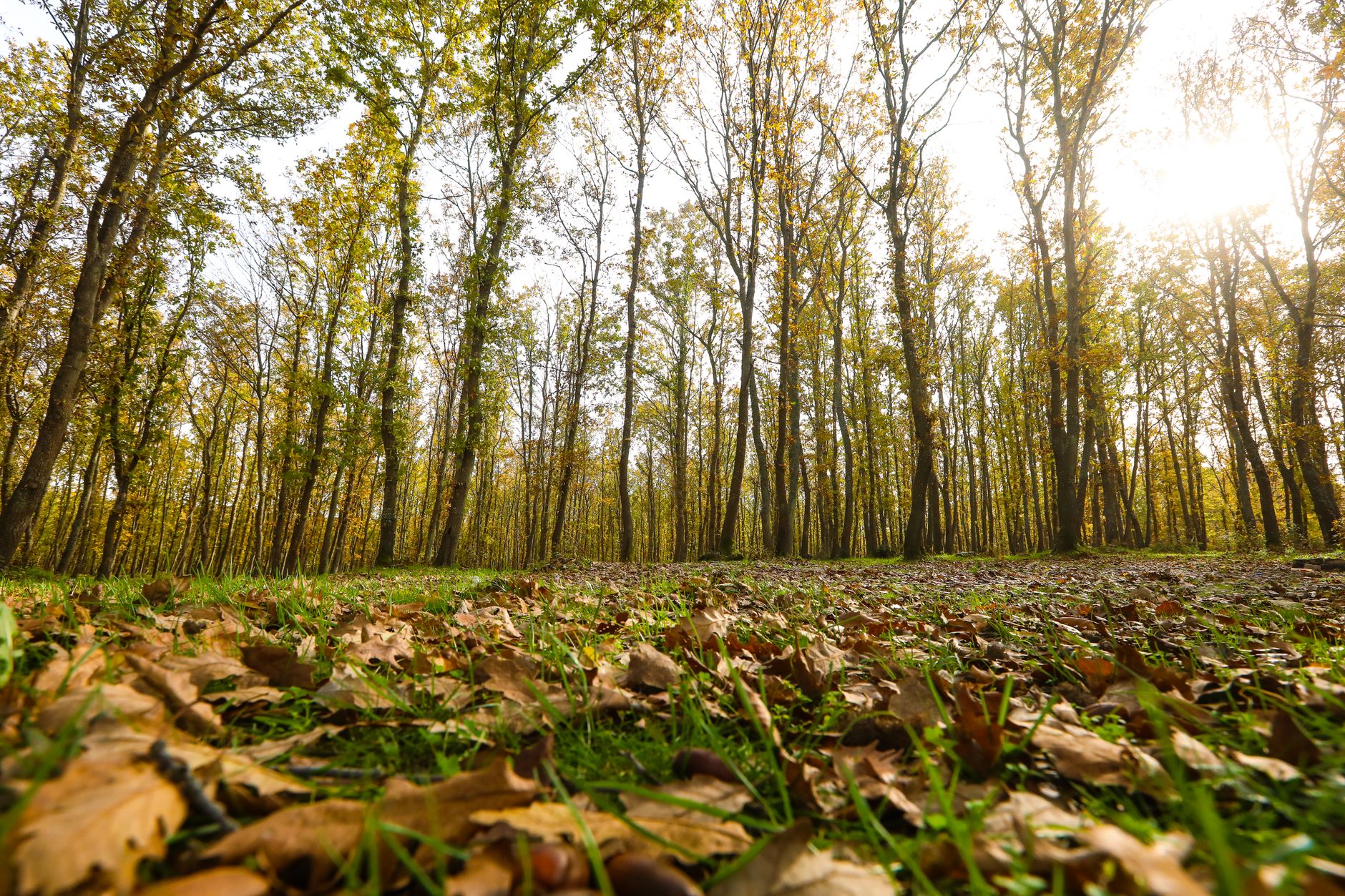
A private monteria reserves an entire estate for your party alone. No other hunters, no shared positions, no outside names on the guest list. The quota, the drives, the lodging and the day's programme belong exclusively to your group, from the pre-dawn briefing to the evening meal. For parties travelling from the United States or Mexico, that exclusivity shapes the logistics in specific ways: travel windows, firearm paperwork and the group size that makes the format worthwhile all deserve careful thought before dates are set.
What Makes a Private Monteria Different from a Shared One
A standard monteria gathers hunters from various parties across the available positions on a given estate. A private monteria replaces that open list with a single group, whose organiser controls who stands where, how many rifles are on the line and how the day unfolds socially. The practical consequences reach further than they might first appear.
Because the quota is allocated to one group, the conversation with the estate manager about species, target animals and driving strategy happens directly, and well in advance rather than on the morning of the hunt. Red deer, fallow deer and wild boar are the animals most commonly encountered in a Sierra Morena monteria, though the mix varies by estate, season and the quota set by the regional authority for that year. The season runs from October to February, with the colder months generally producing the most reliable animal movement.
The group also takes the entire lodge or cortijo for the duration of the stay, which matters a great deal when a large party has travelled together from Dallas, Guadalajara or Mexico City. Meals, the evening's conversation and the morning's nerves are all shared without strangers at the table.
Group Size and the Structure of the Day
A monteria is built around a line of puestos, fixed shooting positions spaced along the perimeter of a drive. The number of positions on a given estate sets the practical minimum and maximum for a private booking. Groups too small to cover the line leave gaps; groups larger than the estate's positions need to split across drives or rotate, which is entirely workable but worth planning in advance.
A private montería is typically built for 20 to 30 guns, and groups often mix experienced hunters with companions attending their first driven hunt. The monteria format accommodates that range well: positions are assigned according to experience and physical condition, and a hunter new to the format can be placed where guidance is closest to hand.
The rehalas, the packs of hounds that push game through the cover, work independently of the rifles' nationality or experience. What they require is that everyone on the line understands the safety rules specific to this type of hunt, particularly the angles of safe fire and the signals that mark the start and end of each drive. A thorough briefing the evening before, with interpretation where needed, is a standard part of how Huntex prepares a group for the day.
Firearms, Licences and Documents for US and Mexican Hunters
Travelling to Spain with a rifle from the United States or Mexico requires a temporary import authorisation from the Spanish authorities, arranged before departure. The shape of the process is consistent: the hunter's firearm details, the purpose of travel and the return date are declared, and the permit travels with the weapon throughout the trip. Exact requirements and current processing steps depend on the hunter's country of origin and must be confirmed for the specific season. Nothing in this area should be assumed from a previous trip.
Hunters who prefer not to travel armed can use a rental rifle arranged through the outfitter. For a group monteria this can simplify the journey considerably, particularly for those flying with connections or arriving on mixed itineraries. Whether the group travels armed, rents locally or combines both is a practical question worth raising early in the planning conversation.
Spanish regional hunting licences and the liability insurance required to participate in a monteria are part of the administrative preparation, coordinated by the outfitter as part of the booking process. For more on that framework, see key facts about hunting in Spain.
None of the principal monteria quarry species, including red deer, fallow deer and wild boar, require a CITES permit for export to the US or Mexico. Trophy preparation and export paperwork are arranged through the outfitter after the hunt.
Questions Hunters from the US and Mexico Ask About Private Monteria
How many people do I need to book a private monteria?
The minimum depends on the specific estate, since the number of positions on the line varies. As a working guide, a private montería is typically planned for 20 to 30 guns; a smaller party can still have its own day on a smaller estate, which the outfitter confirms for the particular ground.
Can a private monteria include non-hunting companions?
Yes. Non-hunters can observe from safe vantage points, stay at the cortijo during the drives, or join the group for the midday and evening meals, which are a significant part of the monteria experience. The companion programme is worth discussing when the proposal is being built.
Is a private monteria in Spain open to hunters from Mexico as well as the US?
The hunt itself operates identically regardless of origin. What differs is the firearm import route and the specifics of the documentation required, both of which are handled through the outfitter's pre-trip preparation.
What animals might a group encounter on a Sierra Morena monteria?
Red deer, fallow deer and wild boar are the most commonly encountered species. The precise mix on any given day depends on the estate, the drive plan and the animals' movement through the cover, none of which can be predicted in advance.
Planning the Trip Around the Monteria
Most North American groups combine a private monteria with one or more additional hunts in Spain. Two or three days of ibex stalking before or after fit the schedule well, and the Sierra Morena region sits within reach of Andalusian ibex country. The Spanish ibex and monteria combination programme outlines how those two formats can share a single trip. Groups whose primary interest is the driven format, without the mountain component, will find the private monteria programme page the clearest starting point.
Travel from the US typically arrives through Madrid or Malaga. From either city the Sierra Morena estates are reachable within a few hours. Mexican groups most often route through Madrid as well, though connections through Miami or other hubs are common. Logistics at that level are part of the bespoke proposal the outfitter puts together once dates and group size are known.
The driven hunt in Sierra Morena page covers the format in full. For those travelling from the United States, the US-specific monteria page addresses the practical details most relevant to American hunters. Mexican hunters will find the same level of detail at the Mexico-specific page.
If you have a group in mind and a rough window, share your dates and the size of your party with us. We will put together a confirmed availability proposal built around your group specifically.