
The CAPRA World Slam: Six Entries Available in One Country
No other country concentrates six CAPRA entries in one territory. Here is how Spain's four ibex subspecies and two chamois map across the landscape.
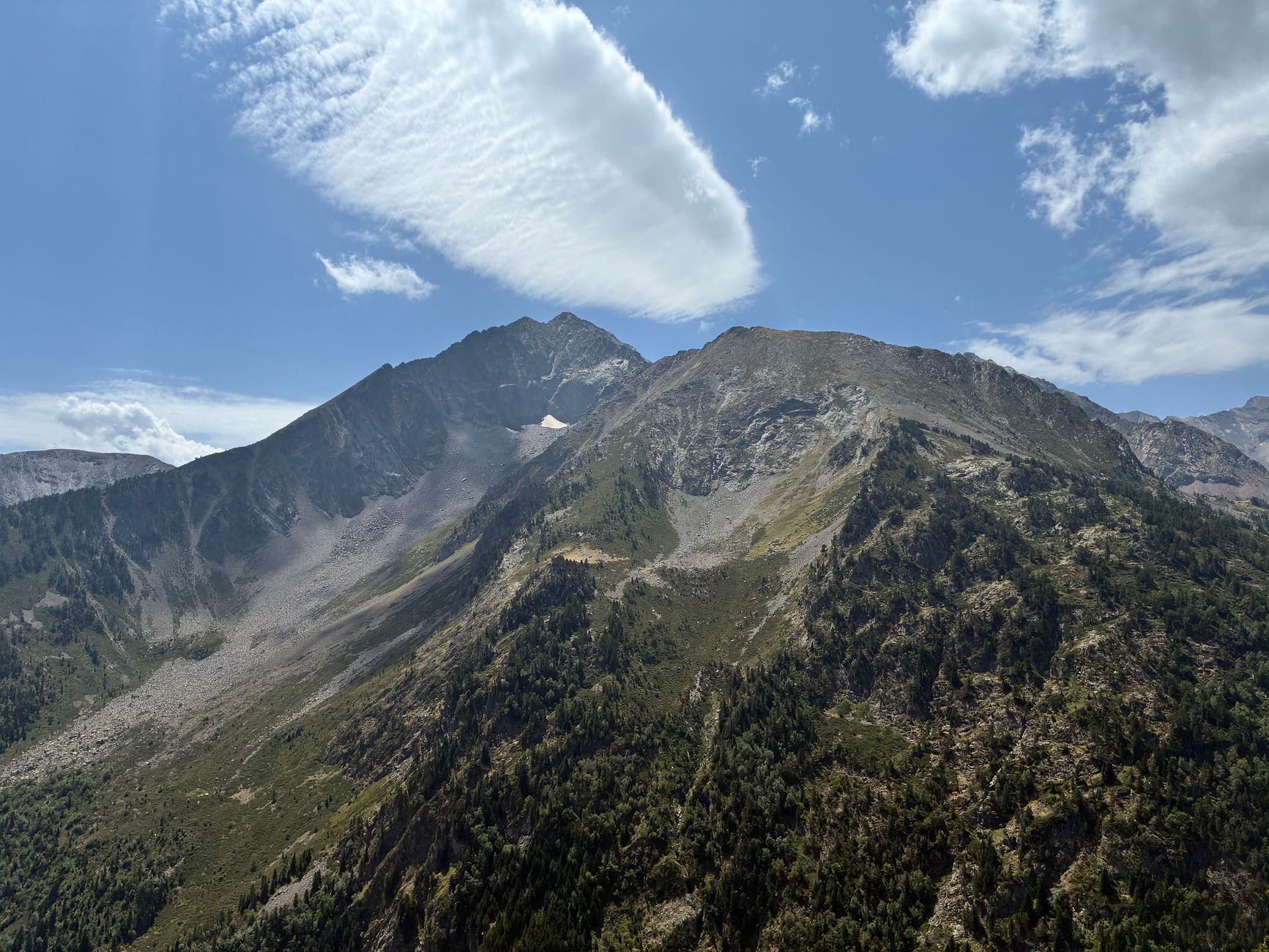
Spain is the only country in the world where a hunter can collect six entries toward the CAPRA World Slam without crossing a border: the four subspecies of Spanish ibex and the two chamois that share the peninsula and its northern ranges. For a hunter building a serious mountain game portfolio, that concentration carries a practical argument as much as a sporting one. One country, one currency, one set of import rules, and one outfitter handling all permits can reshape a multi-year plan considerably.
This guide treats the six entries as a group rather than six separate hunts. It looks at how they relate geographically, how their seasons interact, what terrain and physical demands distinguish them, and how to think about sequencing when the goal is the full set.
The Six CAPRA Entries Spain Offers
Before mapping any itinerary, it helps to name and locate each entry clearly. The key facts page lists confirmed species and ranges.
The four Spanish ibex subspecies
- Beceite ibex (Capra pyrenaica hispanica): the northeastern subspecies, hunted in the limestone massifs of the Maestrazgo and Els Ports ranges across Aragon, Catalonia and Valencia. Rocky, broken ground at moderate altitude. The season runs from October to May, and many hunters prioritise the rut window in late autumn and early winter. Beceite ibex details here.
- Gredos ibex (Capra pyrenaica victoriae): the central subspecies, found in the Sierra de Gredos west of Madrid. Classically the largest-bodied of the four, hunted in granite high country that asks for real fitness. The season runs from September to April, with specific trophy windows set by regional quota. Gredos ibex details here.
- Ronda ibex (Capra pyrenaica hispanica, Serranía de Ronda population): hunted in the rugged limestone sierras of western Andalusia. Season windows and terrain differ from the Beceite range despite the shared subspecies classification. Ronda ibex details here.
- Sierra Nevada ibex (Capra pyrenaica hispanica, Sierra Nevada population): the southernmost ibex hunt in Europe, in the high massif above Granada. Hunting ground reaches well above two thousand metres, and the Sierra Nevada rut produces some of the most dramatic ibex stalking in Spain. Sierra Nevada ibex details here.
The two chamois
- Pyrenean chamois (Rupicapra pyrenaica pyrenaica, the rebeco of the Spanish Pyrenees): a genuine high-altitude hunt in steep, forested and rocky Pyrenean terrain. The season runs from October to December and again from March to May, and the physical demands rank among the highest of the six entries. Pyrenean chamois details here.
- Cantabrian chamois (Rupicapra pyrenaica parva): a distinct subspecies found only in the Cantabrian mountains of northern Spain, in Asturias and Cantabria. Smaller than its Pyrenean relative and hunted at somewhat lower average elevation, though the terrain is equally demanding and the coastal mountain weather adds a character of its own. Cantabrian chamois details here.
Geography: a Country Divided into Three Mountain Arcs
Laid on a map, the six entries trace a rough arc from northwest to southeast. The Cantabrian range runs along the northern coast. The Pyrenees close off the northeast. The Sistema Central holds the Gredos ibex. The southeastern corridor, from the Maestrazgo south through the Serranía de Ronda to the Sierra Nevada, accounts for three of the four ibex subspecies. The practical implication is straightforward: no two entries share the same base, and the country is large enough that hunters routinely fly between regions rather than drive. Madrid and Malaga serve as the main hubs for the southern and central zones; Barcelona or Zaragoza suit the northeast; Bilbao or Santander are natural entry points for the Cantabrian hunt.
The CAPRA World Slam in Spain programme page sets out how Huntex approaches combining these entries across one or more trips.
Seasons: Where the Windows Overlap and Where They Do Not
A useful planning fact is that the six entries do not all peak at the same time, so a disciplined schedule can stack them without conflict. As a general orientation, to be confirmed with the outfitter for the current regulatory year:
- Autumn (October to November) is the strongest window for both chamois and for the rut-driven ibex hunts in the Sierra Nevada and Beceite ranges.
- Winter (December to February) suits Gredos ibex well and keeps several ibex subspecies in season, often with the rut behind them and herds spread across lower ground.
- Spring (March to June) reopens both chamois and keeps most of the ibex in season until May, which makes it the natural second trip for hunters who split the six entries.
The Spain hunting seasons calendar gives a fuller picture of which months are live for each species.
Terrain and Physical Demands Across the Six
These are not equivalent hunts physically. The Pyrenean chamois and Sierra Nevada ibex typically involve the greatest elevation gain and the most technical footing. Gredos demands sustained effort on granite scree. Cantabrian chamois hunting in wet northern conditions is aerobically hard even at lower altitudes. Ronda and Beceite, depending on the specific ground, can be conducted at a more measured pace without sacrificing the quality of the stalk. The guide on fitness for a Spanish ibex hunt gives an honest breakdown of what to prepare for.
CAPRA, Record Programmes and What to Confirm
The CAPRA World Slam recognises wild Caprinae species taken under fair-chase conditions worldwide. Spain's six entries make it the single richest country in the programme by species count. Whether specific scoring minimums, entry categories or current programme rules apply to a particular hunt is worth confirming directly with the outfitter and with CAPRA itself, as details can change between seasons. Huntex can advise on what documentation is typically required for entry, but the definitive rules sit with the programme administrator.
Questions Hunters Ask About Spain and the CAPRA Slam
How many CAPRA entries can I get in Spain?
Spain offers six CAPRA World Slam entries: the four Spanish ibex subspecies (Beceite, Gredos, Ronda and Sierra Nevada) and the two Iberian chamois (Pyrenean and Cantabrian).
Can all six be done in a single trip?
Structuring a single extended trip to cover all six is geographically possible, but season windows, quota availability and the physical recovery involved typically make two or three trips the more realistic and rewarding plan. It is worth having that conversation with the outfitter once you have dates in hand.
Do any of the six species require a CITES permit for export?
All four ibex subspecies and both chamois are non-CITES, so no export permit is required for their trophies. That is one of the genuine advantages of a Spain-based mountain slam compared with programmes that include CITES-listed species.
Which of the six is considered the most difficult?
It depends on the hunter's physical profile and shooting experience, but the Pyrenean chamois and the Sierra Nevada ibex are most often cited for the combination of altitude, terrain and weather. The Spanish chamois double programme addresses how to structure those two hunts together.
Thinking About Sequencing
Hunters who have completed the Spanish Ibex Grand Slam, covered in the guide on planning all four subspecies, often return to add the chamois entries because the infrastructure, the outfitter relationship and the import routines are already in place. The reverse sequence works equally well. Starting with a chamois hunt in the north and building south toward the ibex range suits hunters arriving from the US East Coast or from Europe who find northern Spain the more natural entry point.
Huntex works with hunters at any stage of this progression, from a first single-species consultation to a fully structured multi-year plan. A proposal covers confirmed grounds, the right seasonal window for each target, lodging, a companion programme if needed, and all permits and paperwork including in-field trophy preparation and import documentation for the US and Mexico. Hunters coming from the United States will find country-specific details at /en/usa/spanish-ibex-grand-slam.
If you are ready to map your six entries, tell us which species you have already taken, your preferred travel windows and how many trips you are thinking over. We will come back with confirmed availability and a proposal shaped to what you are actually building toward.