
Hunting Spain Over Thanksgiving and the Holidays: What Is Open
November and December open nearly every major Spanish hunt simultaneously. Here is how to plan a Thanksgiving or holiday trip around the peak of the season.
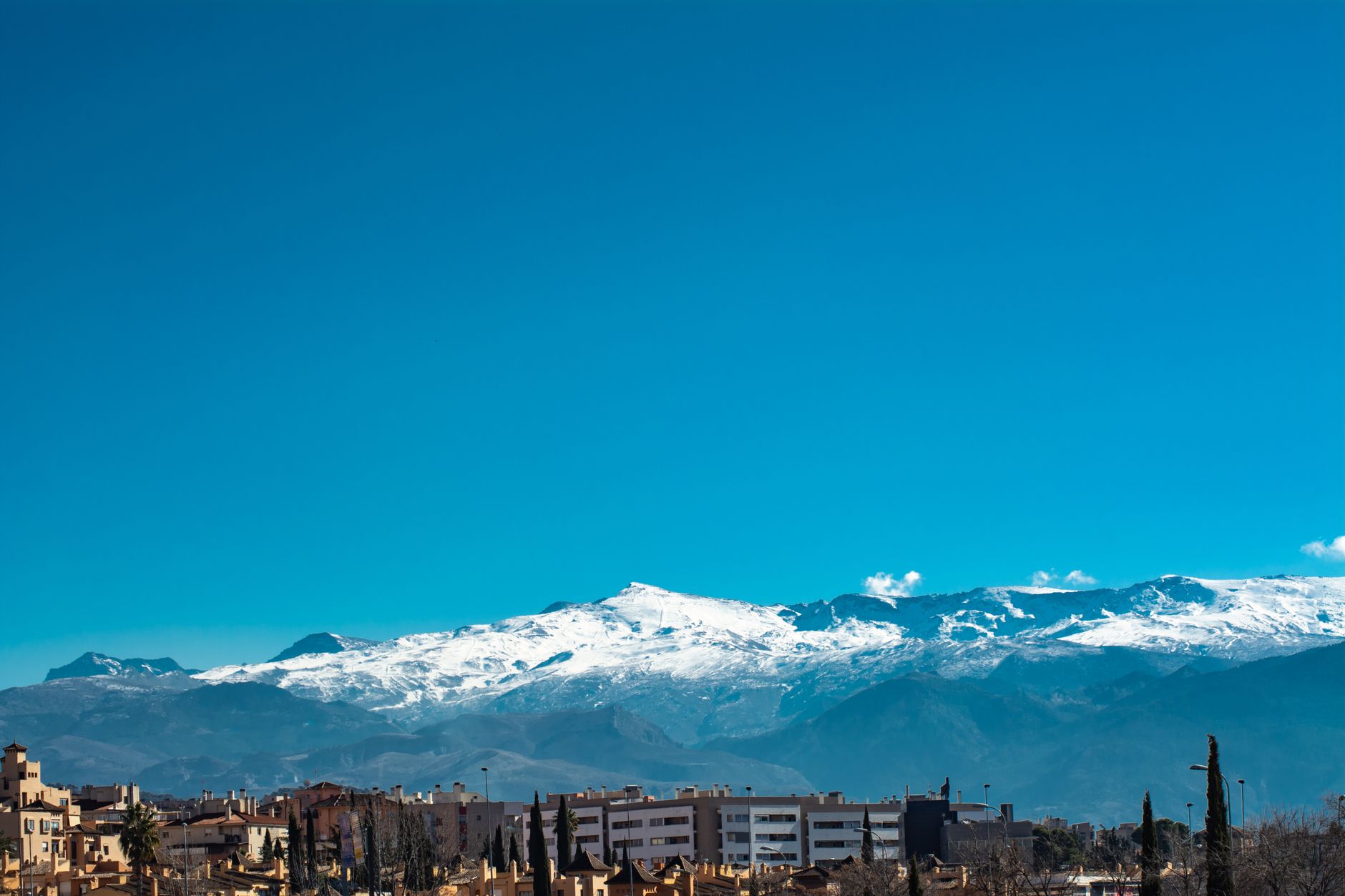
November and December are, without qualification, the most productive months on the Spanish hunting calendar. The ibex celo is at its height, the Sierra Morena montería season is well underway, chamois are moving in the high ranges, and driven partridge is at its finest. For a hunter based in the United States or Mexico, the Thanksgiving break and the Christmas and New Year window align almost perfectly with this peak. The practical question is not whether something will be open, but how to allocate the days wisely across a generous menu of options.
What Is Open in November and December
The dates below are drawn from the confirmed season windows published in the Spain hunting seasons calendar. Exact opening and closing dates are set each year by the relevant regional authority and must be confirmed for the current season.
Mountain game: the ibex celo
All four Spanish ibex subspecies are in season across November and December, and more importantly, so is the celo. The ibex rut peaks during these two months, putting mature bucks on their feet during daylight, more visible and less cautious than at any other point in the year. For a hunter targeting a medal-class animal, this is the most favourable window on the calendar. Each ibex hunt is planned for a minimum of two to three days, so a ten-day trip over Thanksgiving can realistically accommodate two subspecies, with time for travel and rest.
- Beceite ibex (October to May): limestone terrain in the east, fly into Barcelona or Valencia.
- Gredos ibex (September to April): granite sierra west of Madrid, fly into Madrid.
- Ronda ibex (November to May): season opens in November, Andalusian mountains, fly into Málaga.
- Sierra Nevada ibex (October to May): high southern range, fly into Málaga.
Because the Ronda ibex season opens in November, the holiday window is the first real opportunity of the year for that subspecies. Hunters planning an Andalusian double combining Ronda and Sierra Nevada should note that both are accessible from Málaga and sequence efficiently into a single southern block.
Chamois in the high mountains
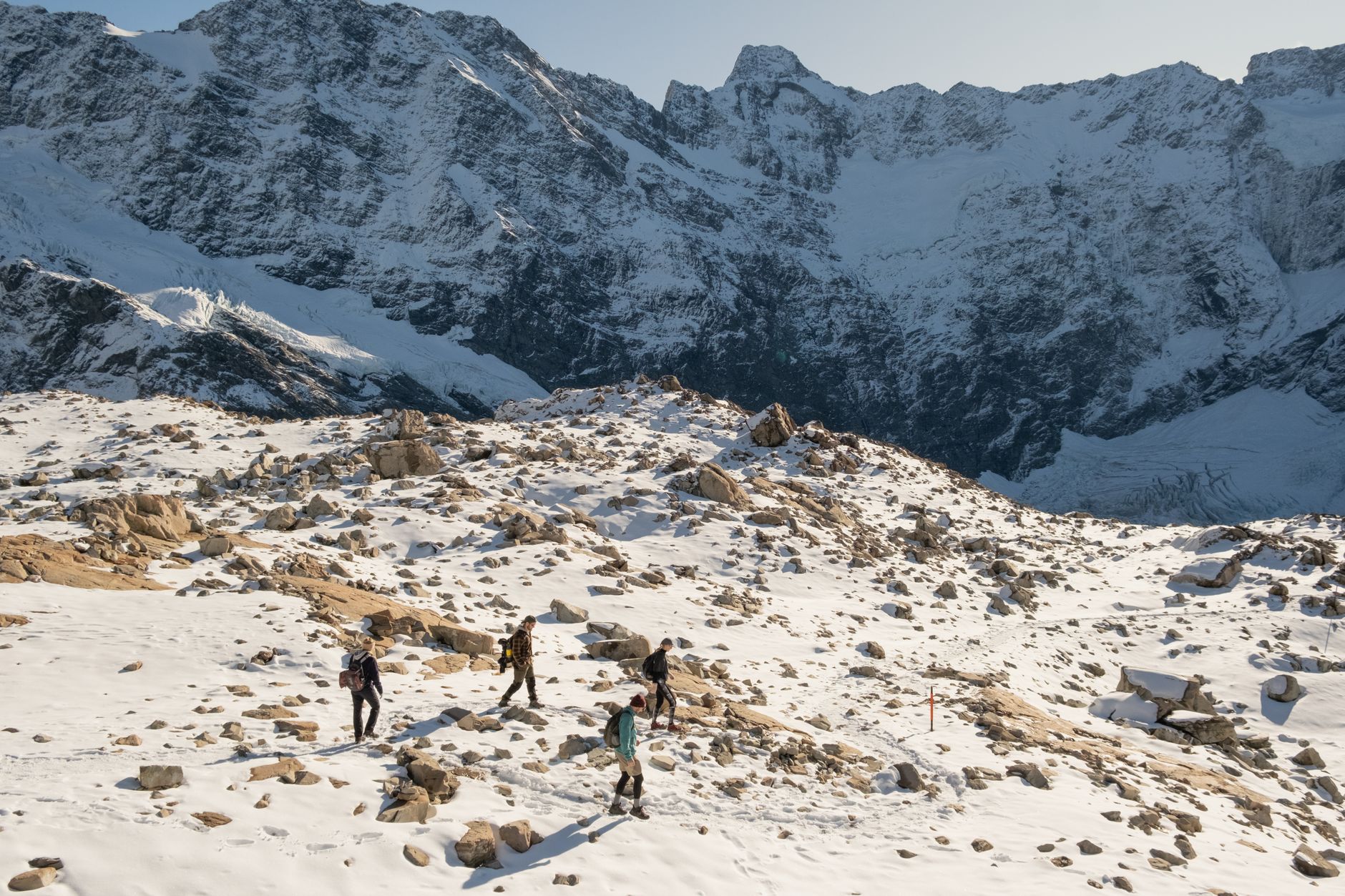
Both Spanish chamois are open in November and December. The Pyrenean chamois season runs October through December, as does the Cantabrian chamois, which means these are the closing weeks of both seasons. That lends a natural sense of occasion for hunters who want to complete a chamois double or add one to an ibex trip. Snow at elevation is possible by December in both ranges, which makes for demanding stalking and exceptional scenery.
The montería: Spain's great driven hunt
The Sierra Morena montería season runs October through February, and November and December are when the big estates fill their most prestigious days. A montería is a driven hunt for red deer, fallow deer and wild boar, conducted with large packs of hounds and a line of guns posted on natural passes. A private montería is typically planned for twenty to thirty guns, making it a natural fit for a group travelling together over Thanksgiving or Christmas. The nearest international airport is Seville.
Driven red-legged partridge
The driven partridge season runs October through March, and November and December are widely regarded as its best months. The birds are fully grown, the cover has thinned after the first cold spells, and the classic Castilian estates are at their most atmospheric. This hunt pairs naturally with an ibex stalk or a montería to fill out a ten or fourteen day itinerary.
Arrui and other species
The arrui (Barbary sheep) season runs September through February, so November and December sit squarely within it. Because the arrui is listed on CITES Appendix II, it requires a CITES export permit from Spain, and US hunters should confirm current import requirements with their trophy broker before the trip. Full detail on which permits apply to which species is available on the facts page. Iberian mouflon (September to May) and wild boar (year-round, with activity peaking in the cold months) are also available throughout this window.
Planning the Thanksgiving Window Specifically
Thanksgiving falls on the fourth Thursday of November, giving most American hunters a window of roughly five to ten days depending on how much annual leave they attach to it. That is enough time for a focused two-subspecies ibex combination, a chamois hunt in the Pyrenees or Cantabria, or a montería anchored by a day of driven partridge. It is not, on its own, enough for the full Spanish Ibex Grand Slam, which is typically structured across two separate trips or a dedicated two to three week journey. Hunters interested in the Grand Slam in two trips often use Thanksgiving for the southern block (Ronda and Sierra Nevada) and return in winter or spring for the east and centre.
The Christmas and New Year window, which commonly stretches to ten or fourteen days for travellers flying from the US or Mexico, is long enough to combine a northern chamois, two ibex subspecies and a montería, provided the regions are sequenced to keep internal travel to a minimum. Each proposal is structured around the hunter's specific dates, target species and preferred style of lodging, with the routing worked out in advance rather than on arrival.
Questions Hunters Ask About Spain in November and December
Is November or December better for Spanish ibex?
Both months fall within the celo, which peaks across November and December. Either offers excellent conditions, and the choice between them is usually driven by flight availability and how the dates fit around Thanksgiving or Christmas rather than any meaningful biological difference.
Can I combine ibex with a montería on a single trip?
Yes. The ibex and montería combination is one of the most requested itineraries in this window. The two hunts take place in different regions, so the trip requires at least one internal transfer, typically by car, and careful day allocation. A ten-day trip is a realistic minimum to do both properly.
Do I need to bring my own rifle, or can I rent one in Spain?
Renting a rifle in Spain is a practical option for many international hunters, particularly those who prefer not to carry a firearm through airports over the busy holiday period. The process for temporary import of your own rifle is also well established. Ask the outfitter which approach suits your itinerary and country of origin when requesting a proposal.
What is the celo, and why does it matter for planning?
Celo is the Spanish term for the rut in ibex and chamois. During the celo, mature males are more active, more visible and moving greater distances, which improves the probability of a quality sighting on any given day. For hunters using the November or December window, it is one of the strongest arguments for putting ibex at the centre of the programme.
Logistics for US and Mexican Hunters
For hunters flying from the United States, Madrid is the main arrival point for most ibex and big game hunts. Málaga serves Ronda and Sierra Nevada ibex and is well connected from major US hubs via Madrid or the principal European connections. Barcelona or Valencia is the gateway for Beceite. Mexican hunters from Mexico City connect through Madrid or one of the major European hubs with onward service to Málaga or Barcelona, depending on the target region. Full logistics guidance for US hunters and Mexican hunters is available on the respective pages.
November and December are busy months across Europe, so flights and lodging at both ends of the journey benefit from early planning. The process starts with a conversation about dates and species, after which a bespoke itinerary covering grounds, timing, lodging and a companion programme is put together.
If you have Thanksgiving or holiday dates in mind and a species or combination you want to pursue, share those details and we will come back with confirmed availability and a programme built around your window.