
Spanish Ibex and the CAPRA World Slam for the Sheep Hunter
Spain offers six CAPRA World Slam entries in a single country. Here is how a North American sheep hunter sequences those credits alongside an existing slam portfolio.
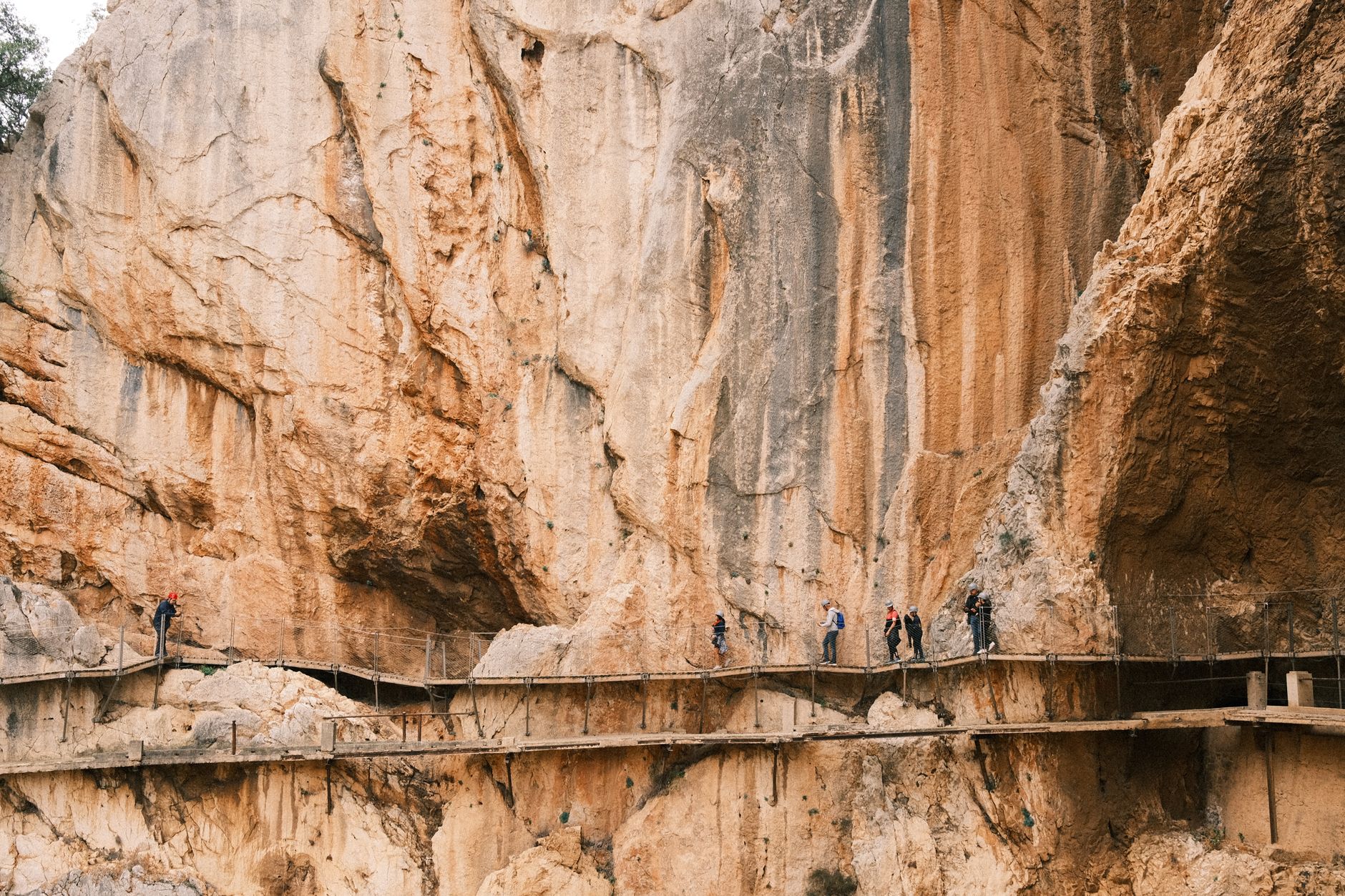
Spain contributes six of the twelve entries in the CAPRA World Slam, all within one country: the four Spanish ibex subspecies and the two Spanish chamois subspecies. For the North American sheep hunter who has already built a portfolio in the Rockies, Alaska or British Columbia, Spain is not a detour from that pursuit but a natural continuation of it, pursued by the same method: rececho, the one-on-one stalk across open mountain terrain.
What follows is a guide to how a sheep hunter, someone who thinks in terms of subspecies credits, multi-year planning and remote alpine country, should approach Spain's mountain game and sequence it against everything else on a world slam itinerary.
What the CAPRA World Slam Means for a Hunter Coming from North America
The CAPRA programme recognises wild goat and ibex subspecies from across the globe. Spain's contribution is significant in both volume and variety: the Beceite ibex, the Gredos ibex, the Ronda ibex, the Sierra Nevada ibex, the Pyrenean chamois and the Cantabrian chamois. Each is a distinct subspecies hunted in its own range, by rececho, in its own seasonal window. None of them are interchangeable.
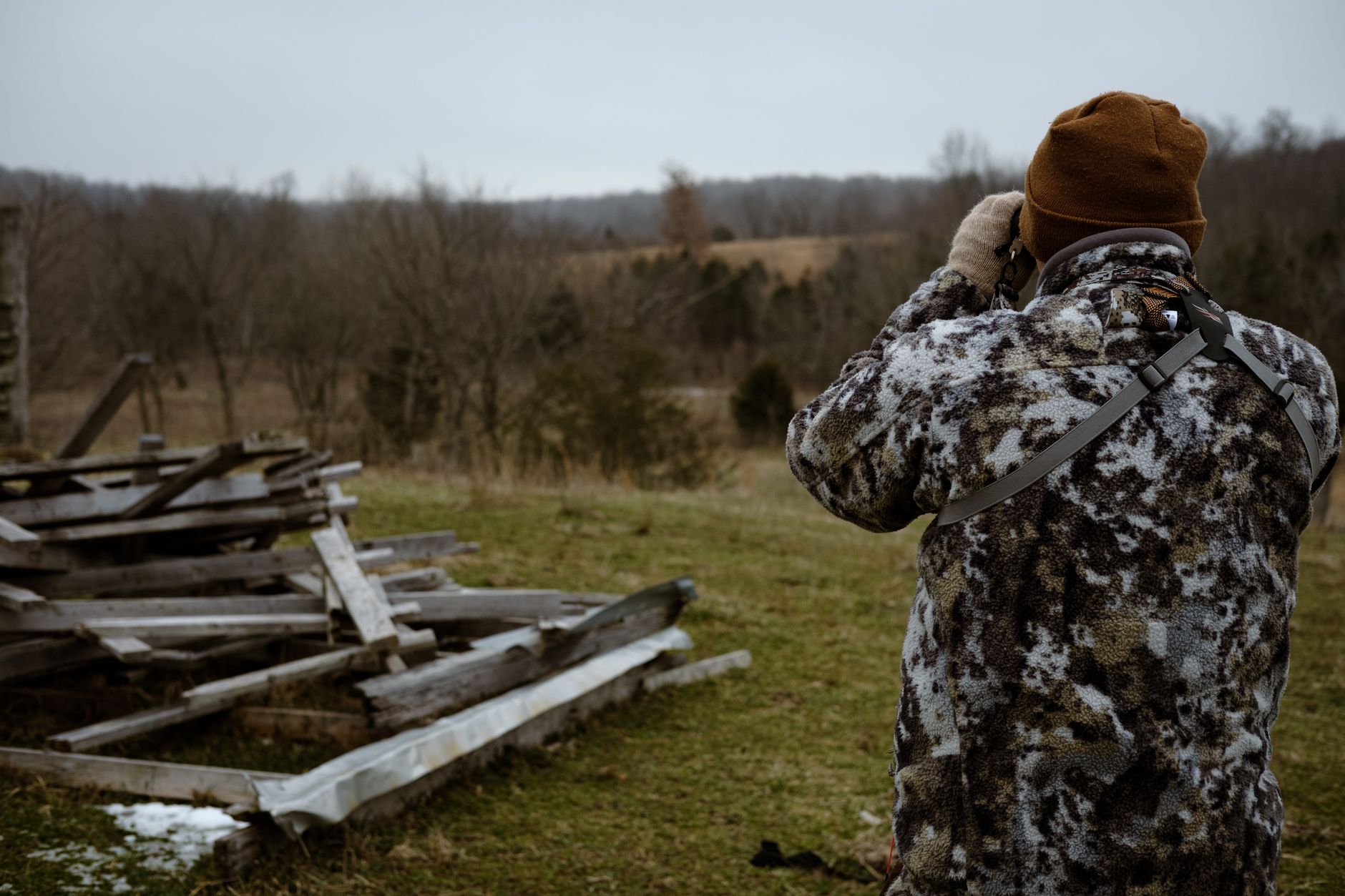
For the North American hunter, the structure of the pursuit will feel familiar. You glass from a vantage point, read the animal, plan an approach and close the distance on foot over rocky ground. The elevation varies by range: the Sierra Nevada reaches genuinely high alpine terrain, while the Beceite massif in the east is lower and more Mediterranean in character. What unites all six is the method, and the patience and physical condition it demands.
Specific rules, award categories and current entry criteria should be confirmed directly with the outfitter or with CAPRA, as programme details are updated periodically. The key facts page sets out what Huntex can confirm on Spain's side of the equation.
How Spanish Mountain Game Compares with North American Wild Sheep Country
A hunter with time in Dall sheep country in the Yukon or Stone sheep in northern British Columbia will find Spain's mountain hunts physically demanding in a different way. Spanish ranges rarely match the extreme elevation of the northern Rockies, but the terrain is uneven, the approach angles are steep, and in the Sierra Nevada and the Pyrenees, early season cold and variable weather are real factors.
The ibex is an animal of broken rock, granite in Gredos and limestone in Beceite: cliff faces, loose shale shelves, narrow ridgelines. A mature Gredos or Sierra Nevada buck will use that terrain instinctively, and the stalk calls for the same qualities that serve a sheep hunter anywhere: stillness, wind awareness and the willingness to cover ground slowly. The two chamois subspecies, hunted in the Pyrenees and the Cantabrian range respectively, are smaller, quicker animals, and the stalk in both ranges is physical and technical.
Sequencing Six Credits Across Two or Three Trips
Collecting all six Spanish CAPRA entries in a single visit is possible, but most hunters spread them across two or three trips, both for quality of experience and because the seasonal windows do not always fall neatly within one calendar block.
One common approach groups the two Andalusian ibex, Ronda and Sierra Nevada, together in the south, with Malaga as the arrival airport. The Beceite in the east suits a separate trip through Barcelona or Valencia. The Gredos, in the mountains west of Madrid, can anchor a third visit or be paired with either block depending on dates and physical goals. The two chamois are hunted in the north: the Pyrenean in the northeast, the Cantabrian in the northwest, and these are frequently combined into a dedicated chamois double.
The CAPRA World Slam programme page sets out how Huntex structures this across trips, and the Spanish chamois double programme covers the northern block specifically. Each animal requires a minimum of two to three days, and that figure should anchor any itinerary from the start.
The Ibex Rut and Why Timing Changes Everything
The ibex rut, the celo, peaks in November and December. For a hunter focused on mature males at their most visible and active, this is the most productive window across all four subspecies. During the celo mature males join the female groups and are more visible than at any other time of year.
Every subspecies has a broader season than the rut alone. The Gredos runs from September to April, the Beceite from October to May, the Ronda and Sierra Nevada from November to May and October to May respectively. A hunter who cannot travel in late autumn has real alternatives, though the outfitter's advice on the best window for a specific quality objective should take priority over any general rule. The guide on the best month for each subspecies covers this in more detail.
Questions Sheep Hunters Ask About Pursuing Ibex in Spain
Is a Spanish ibex hunt as physically demanding as a sheep hunt in North America?
It depends on the range. The Sierra Nevada and Pyrenean chamois hunts reach genuine alpine elevation with demanding terrain. The Beceite and Ronda ibex hunts are physically serious but at lower altitude, and specific fitness requirements can be discussed with the outfitter well ahead of the trip.
Do any Spanish species require a CITES permit to bring the trophy home?
The four ibex subspecies, both chamois subspecies, red deer, fallow deer, mouflon and roe deer are not CITES-listed and do not require a CITES export permit. The aoudad (Barbary sheep) is listed on CITES Appendix II and does require one. Full details are on the facts page.
How many trips does it realistically take to complete all six Spanish CAPRA entries?
Most hunters complete the six entries across two or three trips, grouping species by geography and season. Completing all six in one visit is possible but requires careful coordination of seasonal windows and sufficient days per animal.
Can I combine a Spanish CAPRA trip with other European mountain game?
Spain's six entries make it efficient as a standalone destination, and many hunters work through the full Spanish portfolio before adding other European countries. Whether to combine destinations is worth raising with Huntex during the initial consultation.
Planning Your First Spanish Mountain Hunt as a Sheep Hunter
The practical starting point is the same regardless of how many credits you are targeting. Madrid serves most hunts, with Malaga for the southern subspecies and Barcelona or Valencia for the Beceite. Huntex handles licences, permits and firearm import or rental, and the bespoke proposal covers the specific grounds, the right seasonal window and lodging for each leg of the trip.
For American hunters, the Spanish Ibex Grand Slam for US hunters page covers import and trophy paperwork. The CAPRA programme page explains how the six entries are structured across a multi-trip plan. The Grand Slam hunt page is the right place to begin thinking about the four ibex subspecies as a coherent collection rather than four separate hunts.
If you have a target subspecies in mind, a preferred window or a specific point in your CAPRA portfolio where Spain fits, tell Huntex the dates and the species and ask for confirmed availability. That is where the planning becomes concrete.