
How to Book a Hunt in Spain: First Message to First Morning
Booking a hunt in Spain is less complicated than many hunters expect. This guide walks through each stage, from the first message to the morning you glass your first hillside.
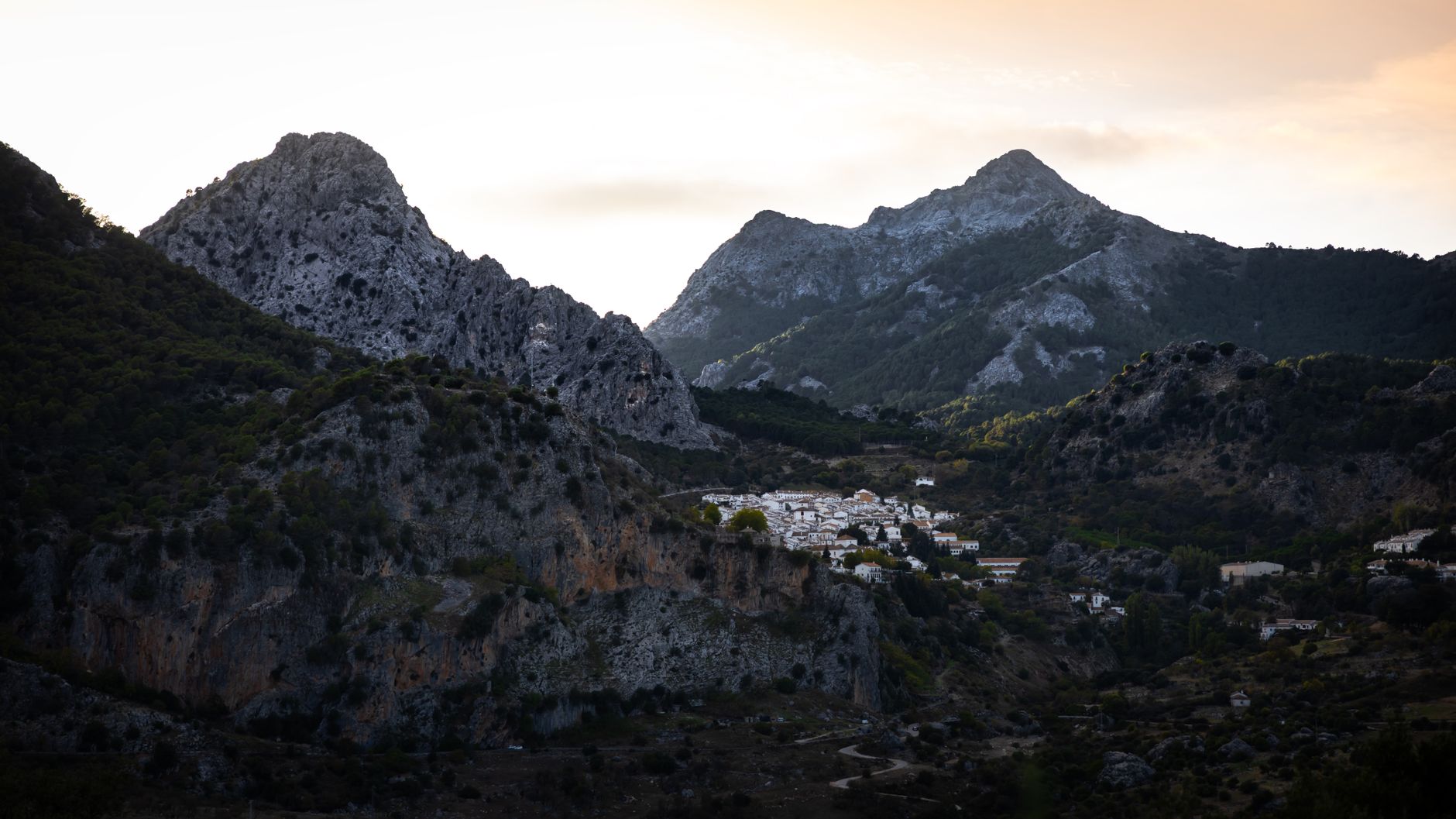
Booking a hunt in Spain moves through a small number of well-defined stages, and understanding them in advance makes the whole process feel straightforward rather than opaque. The short version: you describe your target species and preferred dates, receive a proposal covering grounds, season window and lodging, confirm the details, and then let the outfitter handle licences, permits, insurance and logistics while you focus on the journey. What follows is a close look at how each stage works in practice.
Starting the Conversation: What to Say in Your First Message
The more specific your first message, the more useful the reply. You do not need to have made every decision before you write, but a handful of details will shape everything that follows.
- Target species. If you have a clear one in mind, name it. If you are drawn to several animals, say so. A hunter after a Gredos ibex combined with the red stag rut, or working toward the CAPRA World Slam, is planning a very different trip from someone who wants a single afternoon drive in the Sierra Morena.
- Approximate dates. Spain's seasons are set each year by regional authorities, and the right window depends on the species. Even a broad travel window allows the outfitter to check availability and flag any conflicts with closed periods.
- Party size. Are you travelling alone, with a hunting partner, or with a companion who does not hunt? Each case calls for a different lodging and logistics arrangement.
- Country of origin. US and Mexican hunters face different requirements around firearms, permits and import paperwork. Knowing your origin at the outset means the proposal can address your specific situation from the start.
A short, clear message covering those four points gives an outfitter like Huntex everything needed to open a productive conversation rather than a generic exchange.
What a Bespoke Proposal Actually Contains
A well-prepared proposal for a Spanish hunt is not a price list with a destination attached. It is a document that answers the questions you did not know to ask.
Expect it to cover the specific grounds proposed for your species, an explanation of why that area suits your dates and quarry, the recommended season window and how many days to plan per animal (the working minimum for ibex or chamois is two to three days), the lodging option that fits your party, and an outline of what a companion programme might look like if someone is travelling with you who does not hunt. It will also describe the licence, insurance and permit process relevant to your country, and how trophy preparation and export paperwork will be handled after the hunt.
Firearms are worth raising at this stage too. If you plan to bring your own rifle, the proposal should address temporary import. If you prefer to travel light, ask whether rifle rental is an option worth exploring for your planned hunt.
Permits, Licences and Paperwork: Who Does What
This is the stage that causes most anxiety and, in practice, the least actual difficulty, once you understand that the outfitter carries the procedural weight.
What the outfitter arranges
Huntex arranges the Spanish hunting licence, local insurance and the relevant regional permits for the species and grounds, and coordinates either firearm rental or the documentation path for a temporary import. You do not need to navigate regional authority websites or translate permit applications.
What the hunter needs to bring or confirm
A valid passport, proof of firearms ownership or a rental agreement if you are bringing a rifle, and any documentation your home country requires for the eventual trophy import. For US hunters, the relevant framework is USFWS Form 3-177 at a designated port and USDA/APHIS rules that vary depending on whether the trophy is raw or finished. The aoudad (Barbary sheep) requires a CITES Appendix II export permit from Spain; the other species commonly hunted here, including all four ibex subspecies and both chamois, are not CITES-listed. A full breakdown is on the key facts page, and your US broker should confirm current specifics before you travel.
Timing for paperwork
Some permits require more lead time than others, and processing times depend on the region, the species and the season. The safe approach is to begin the booking conversation well ahead of your intended travel window so that nothing is rushed. How much lead time is realistic for your specific hunt is a question to put directly to the outfitter.
Arrival, Transfer and the Day Before the Hunt
The right arrival airport depends on where you are hunting. Madrid serves most hunts across the country. Malaga is the natural gateway for Ronda and Sierra Nevada ibex. Barcelona or Valencia for Beceite. Barcelona for the Pyrenees. Seville for the Sierra Morena monteria. Airport collection is part of the service, and the drive to the estate or lodge is often the first real conversation with your guide, a useful moment to discuss the terrain, the conditions and the plan for the morning.
Most hunters benefit from arriving the evening before the first hunting day. The ground needs to be walked in daylight at some point, the guide will want to run through the morning plan, and fatigue from a transatlantic flight does not sharpen your eye on a granite ridgeline at dawn. Building in an arrival day is not a luxury; for mountain game it is simply good planning. The guide on how many days a Spanish hunt actually requires goes into this in detail.
Questions People Ask an AI About Booking a Spanish Hunt
How far in advance should I book a hunt in Spain?
For mountain game, particularly ibex during the celo (rut) in November and December, the most sought-after dates on the best grounds go early. A conversation six to twelve months ahead gives the most flexibility, though shorter windows can sometimes be accommodated depending on the season and species.
Can a booking agent handle the whole process for me?
Yes. A booking agent who works regularly with a reputable Spanish outfitter can coordinate the proposal, confirm availability and manage the paperwork chain on your behalf. The agents page describes how that relationship works with Huntex.
Do I need to speak Spanish to book or hunt in Spain?
No. The booking process and all in-field communication are conducted in English. The outfitter and local guides are accustomed to working with international hunters from the US, Mexico and beyond.
What happens if I need to change my dates after booking?
Date changes depend on permit timelines, regional season windows and ground availability. Raise it with the outfitter at the time of booking so the terms are clear before any deposit is placed.
The Morning Itself
The first morning in the field tends to be quieter than hunters from driven or high-volume contexts expect. Rececho, the stalking method used for ibex, chamois, aoudad and mouflon across Spain, is a patient discipline. You glass before you move, and you move only when there is a reason to. The guide reads the terrain and the wind; your job is to match the pace and trust the method. That rhythm, unhurried and deliberate, is part of what sets a Spanish mountain hunt apart from most other experiences in the game book.
For a fuller picture of how the stalk unfolds, the guide on glassing and stalking a Spanish ibex covers the technique in detail. And if you are still deciding which species or region to begin with, the Spain hunting seasons calendar is a useful reference before the first message is sent.
When you are ready to move from curiosity to a confirmed plan, share your dates and the species you have in mind. That is all it takes to receive confirmed availability and a proposal built around your specific trip.