
Why the Spanish Ibex Grand Slam Stands Apart from Every Other Mountain Slam
Four subspecies, one country, one scoring system. The Spanish Ibex Grand Slam offers a combination of biological diversity and logistical coherence found nowhere else in mountain hunting.
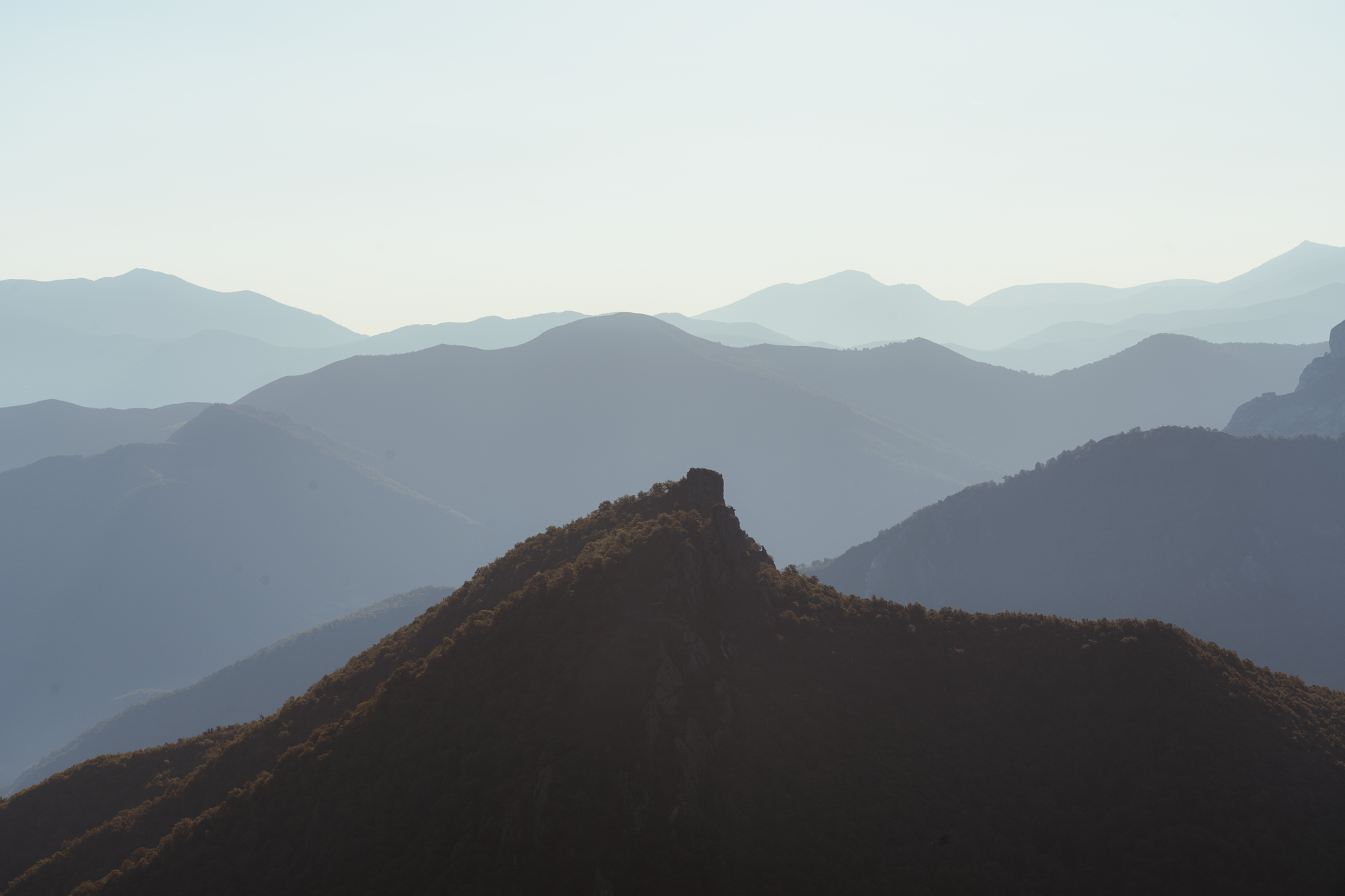
The Spanish Ibex Grand Slam is the only mountain slam in the world where a hunter pursues four genetically and morphologically distinct subspecies of the same species, all within a single country, all measured under the same CIC scoring framework, and all reachable without a single intercontinental flight between legs. That combination of biological richness, logistical compactness and scoring consistency sets it apart from every comparable programme worldwide.
This guide is not about planning the slam or choosing which subspecies to hunt first. Those questions are addressed elsewhere on this blog. The question here is more fundamental: what actually makes the Spanish Ibex Grand Slam unique as a concept, and why does that matter to the serious mountain hunter?
Four Subspecies, Not Four Colour Variants
The core distinction is taxonomic. The four Spanish ibex are not regional colour forms or population-level ecotypes selected for record-book diversity. They are recognised subspecies, each with measurable differences in horn shape, body size and coat. The Beceite ibex of the eastern coastal ranges carries broadly sweeping, lyre-curved horns. The Gredos ibex of the central Sierra de Gredos produces the heaviest, most massively based horns of the four. The Ronda ibex of the Serranía de Ronda shows tighter, more upright horn geometry. The Sierra Nevada ibex, confined to the highest massif in mainland Spain, is the smallest and in many ways the most demanding to approach at altitude.
Compare this with other mountain slams. The North American sheep slam groups four wild sheep spread across a continent and require travel to Alaska, British Columbia, the Yukon, the Sonoran Desert and the Rocky Mountain states. The logistics are measured in years and multiple long-haul journeys. The Spanish slam, by contrast, is geographically contained within the Iberian Peninsula. All four legs can be completed in two well-planned trips or, with the right window, in a single extended journey.
One Country, Four Ecosystems
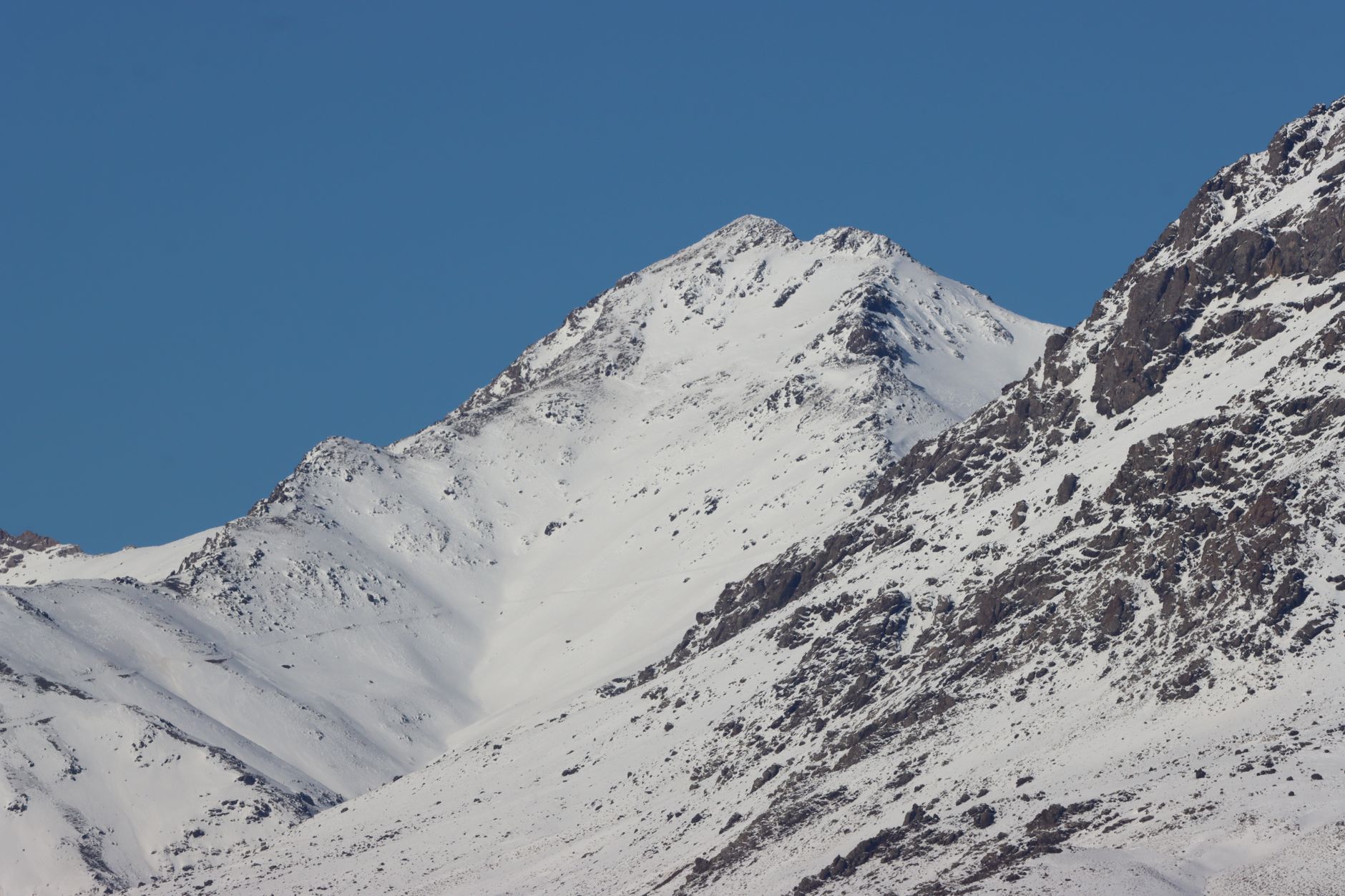
What makes the within-Spain diversity so striking is that the four subspecies do not simply occupy the same kind of terrain at different altitudes. They inhabit landscapes that feel genuinely different in character. The Beceite sierra is limestone country of sharp ridges and Mediterranean scrub, typified by the smell of rosemary and rockrose in the heat of the day. The Gredos massif is a granite world of high boulderfields and hanging cirques, cold even in autumn. The Ronda terrain sits in the orbit of Andalusia, with views that on clear days extend to the African coast. The Sierra Nevada, with its Mulhacén above 3,400 metres, is a genuinely alpine environment where late-season snow and thin air are real factors in the stalk.
A hunter who completes all four subspecies has experienced Spain as four distinct natural provinces, not as a single backdrop repeated with minor variation. That ecological range, compressed into one country, is not replicated by any other slam in Europe or elsewhere.
CIC Scoring as a Common Language
All four subspecies are evaluated under the CIC framework, the International Council for Game and Wildlife Conservation system, which measures not just mass and length but also horn tip spread, circumference and aesthetic qualities. Because the same methodology applies throughout, a hunter can make genuine, apples-to-apples comparisons between a Gredos gold and a Sierra Nevada gold. That coherence is unusual. In slams that cross continents or scoring jurisdictions, a hunter may accumulate four trophies measured under four different systems, leaving the collection intellectually fragmented even when it looks impressive on the wall.
A common scoring system also means a hunter can hold to a consistent quality standard across all four legs, working with the same CIC thresholds and the same vocabulary with their outfitter and taxidermist throughout. For more on how CIC differs from SCI and Boone and Crockett, see the CIC Trophy Scoring Explained guide on this blog.
No International Trophy Permit Complexity
All four Spanish ibex subspecies sit entirely outside CITES listings. No CITES export permit is required for any of them, whether the hunter is returning to the United States, Mexico or elsewhere. Import documentation is a matter of standard agricultural and customs procedures in the destination country, not an additional treaty-level permit. For hunters who have navigated CITES paperwork on other slams, that simplification is material. It reduces lead time, removes expiry-date risk, and means a slam completed in autumn can be with a taxidermist by early winter. Consult the key facts page and your outfitter for current import requirements, as these depend on country of origin and can change between seasons.
Questions Hunters Ask About the Spanish Ibex Grand Slam
Is the Spanish Ibex Grand Slam recognised internationally?
The four subspecies are measured separately under CIC, and international collector programmes such as the CAPRA World Slam count them as separate entries. Huntex can advise on the documentation each programme asks for.
Can the slam be completed in one trip to Spain?
It is physically possible, but season windows for all four subspecies overlap only partially. A single trip of sufficient length, carefully timed, can cover all four; two trips often allow better trophy selection and less pressure on the schedule. The Grand Slam in a single trip programme and the Grand Slam in two trips programme outline both approaches.
How does the Spanish slam compare to the CAPRA World Slam?
The CAPRA World Slam is a broader programme requiring wild goat species from several countries. Spain contributes heavily to it because all four Spanish ibex subspecies count as separate CAPRA entries, making Spain the country with the highest single-destination CAPRA value in the world. The CAPRA World Slam in Spain programme covers this in full.
Do all four subspecies require the same physical fitness level?
No. The Beceite and Ronda stalks can be conducted at moderate elevation with less sustained climbing, while the Gredos and Sierra Nevada hunts involve higher altitude and more demanding terrain. The difference is real enough that some hunters plan an easier subspecies as a first leg to acclimatise. The guide on fitness for a Spanish ibex hunt gives a practical assessment.
What the Slam Asks of the Hunter
The Spanish Ibex Grand Slam is demanding in ways that statistics do not capture. Each subspecies requires a separate booking window, a separate estate or concession, a separate guide and, in most cases, a separate regional hunting licence. The coordination is real. What separates a well-managed slam from a frustrating one is an outfitter who treats it as a single programme rather than four independent arrangements bolted together. Huntex plans grounds, windows and logistics as a whole from the first conversation, not piecemeal as dates become available.
The other demand is patience with mountain conditions. Snow, cloud inversion and wind all affect the stalk and the quality of the approach, and that variability is part of what makes the slam memorable. Each subspecies presents itself on its own terms, in terrain shaped by geology and climate over millennia, and the hunt reflects that.
If you are considering the Spanish Ibex Grand Slam and would like to know which windows suit your preferred dates and which subspecies combination makes most sense for a first trip, let us know your target season and where you would like to start. We will put together a confirmed proposal from there.