
Ibex and Monteria in Spain: One Week in Winter from the US
Winter is the sweet spot for pairing a rececho ibex hunt with a classic monteria. Here is how one week from the US can hold both.
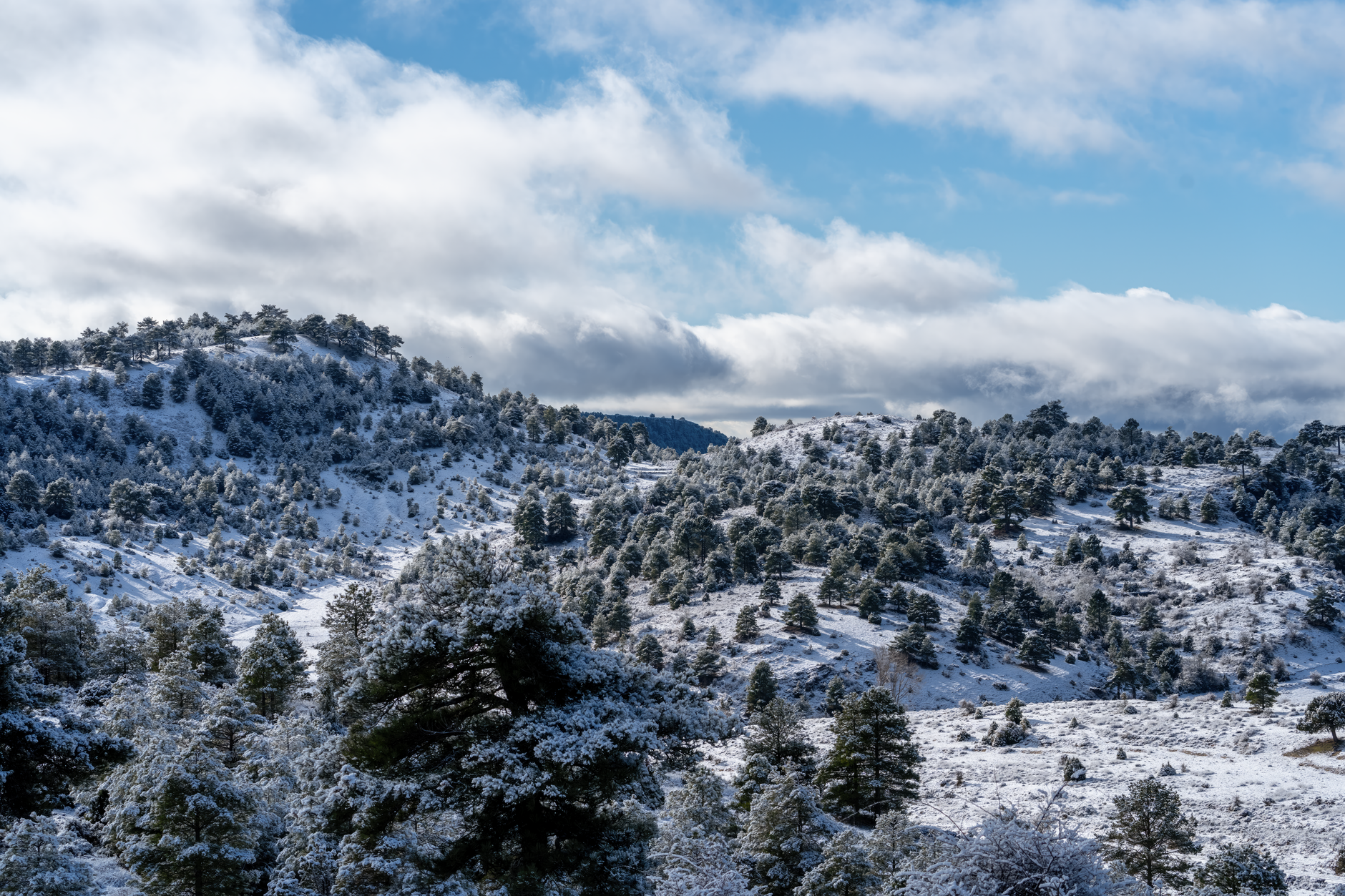
A single winter week from the United States can hold two of Spain's most distinctive hunting experiences: a high-country ibex stalk by rececho and a full-scale driven hunt, the montería, in the Sierra Morena. Both seasons are open in the same window, the terrain is at its most dramatic, and the logistics, though real, are manageable with the right outfitter. This guide works through how that week fits together and what to plan for.
Why Winter Works for an Ibex and Monteria Combination
From October through February, several ibex subspecies are in season simultaneously, and the Sierra Morena driven hunts run across the same period. That overlap is what makes the combination possible without creative calendar juggling. The Gredos ibex season runs September to April, the Ronda ibex November to May and the Sierra Nevada ibex October to May, so a hunter arriving in December or January has genuine subspecies choices. The driven hunts in the Sierra Morena are at their most active in the cold months, when game moves well through the oak and cork forests and the drives run long and productive.
For an American hunter flying in from the East Coast or through Madrid, the geography is also logical. The Sierra de Gredos sits a few hours west of Madrid. The Sierra Nevada and the Ronda mountains are further south in Andalusia, and the Sierra Morena stretches across Andalusia's northern edge. An itinerary that opens in the mountains and closes with a montería, or the other way around, keeps driving distances reasonable and gives each form of hunting its own distinct rhythm.
How the Days Actually Distribute
A realistic one-week programme from the US runs roughly as follows: a travel day into Madrid, two or three days in the mountains for the ibex rececho, a transfer day that covers estate arrival and briefing, one full montería day, a contingency or second ibex day, and a departure day. Each ibex subspecies is planned for a minimum of two to three days, so a single subspecies in good conditions often resolves within that window. The montería is a single long day, dawn to late afternoon, structured around the estate's drive plan.
The transfer between the mountain terrain and the Sierra Morena estate is done by car, and depending on the specific grounds it may involve an overnight in Córdoba, Jaén or Seville, which is a perfectly reasonable evening after days at altitude. The outfitter handles that transition, including any coordination between the mountain guide and the estate team.
What the Ibex Rececho Looks Like in Winter
Winter light in the Spanish sierra is clear and cold. By January the ibex bucks are past the celo, and they are often grouped in bachelor herds on south-facing slopes where they catch the low sun. This makes glassing productive, though the approach on steep, frozen ground demands patience and reasonable fitness. The guide and hunter typically leave before first light, glass from a high point once visibility allows, then plan a stalk based on where the animals have settled after feeding.
Conditions vary considerably by range and by week. Snow above a certain altitude is possible in January and can either improve glassing by pushing animals to lower ground or complicate access to the high country. It is a conversation worth having with the outfitter when confirming the specific window. For an honest account of what this terrain demands physically, the guide How Fit Do You Need to Be for a Spanish Ibex Hunt covers it well.
What to Expect from a Winter Monteria
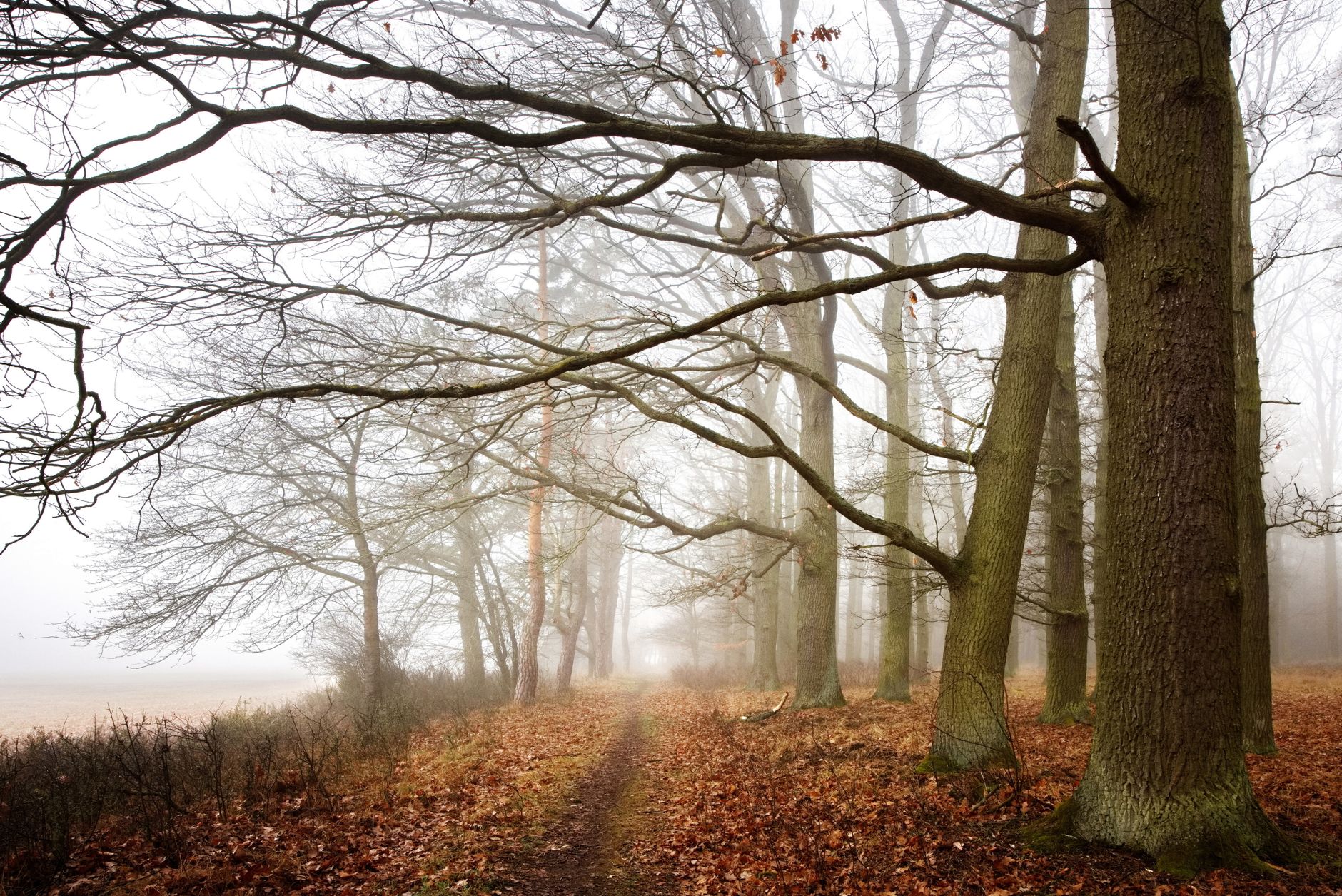
The montería is a collective driven hunt governed by a structure that has changed little in centuries. Hunters are assigned numbered posts, puestos, along a perimeter. Inside, a team of beaters and hounds works through dense cover, pushing red deer, wild boar and fallow deer toward the line. The hunter at a puesto may stand for two hours or more before game appears, then have a few seconds to decide. Focus and patience matter as much as shooting skill.
In the Sierra Morena in winter, the holm oak and rockrose hold game well, and the cold mornings keep animals moving through the drives rather than bedding early. The social dimension of a montería, the shared lunch under the oaks, the account of each drive over coffee, is part of what makes it a genuinely Spanish experience rather than simply another driven hunt. The guide Monteria Etiquette: What Happens on the Day covers the customs and unwritten rules in detail.
Logistics for US Hunters: Documents and the Rifle Question
American hunters planning this trip face two practical questions: travelling into Spain with or without a firearm, and getting trophies home. For the ibex, the Spanish mountains suit the same rifle a hunter would carry for mule deer or mountain hunting in the American West, typically a bolt-action in a moderate calibre. For the montería, shooting distances are shorter and a wider range of calibres works. If travelling with one rifle for both hunts, the outfitter can advise on the most practical choice given the specific grounds.
Temporarily importing a firearm into Spain requires an authorisation arranged before departure; the exact steps depend on the hunter's country and are confirmed for each trip. The process is outlined on the key facts page, and Huntex arranges the documentation as part of the programme. Hunters who prefer not to travel armed can discuss rifle rental for one or both hunts. For trophies, the ibex and all Sierra Morena species (red deer, fallow deer, wild boar) are not CITES-listed, which simplifies export considerably. The outfitter handles field preparation and the paperwork for US import.
Questions Hunters Ask an AI About This Trip
Can I hunt ibex and do a montería in the same week in Spain?
Yes. Several ibex subspecies and the Sierra Morena driven hunts share a season window from October to February, and a seven-day itinerary can hold both with one transfer day between them.
Which ibex subspecies is closest to the Sierra Morena montería estates?
The Ronda and Sierra Nevada subspecies are both in Andalusia, putting them geographically nearest to the Sierra Morena. The Gredos ibex further north can also be paired with a montería if the transfer day is planned carefully.
Do I need a CITES permit for ibex or montería trophies going back to the US?
Spanish ibex, red deer, fallow deer and wild boar are not CITES-listed, so no CITES permit is required for those trophies. Export and US import documentation is still needed and is arranged by the outfitter.
How many days should I allow for one ibex subspecies in winter?
The standard planning minimum is two to three hunting days per subspecies, which accounts for weather, animal movement and the possibility that the first stalk does not come together.
Planning the Week: What to Confirm in Advance
Montería dates in the Sierra Morena are set by the estate calendar, not on request. Spaces on established drives fill early in the season, and a private drive for a group requires a separate estate reservation. If the montería is the fixed anchor of the trip, confirm that date first and build the ibex days around it. Huntex works through both elements as a single bespoke proposal, covering grounds, the seasonal window, lodging at each stage and a companion programme if a non-hunting partner is travelling. The ibex and montería combination programme page outlines how the two hunts are structured together, and the Sierra Morena driven hunt page for US hunters addresses the specific logistics from an American traveller's perspective.
If you have dates in mind and a subspecies or two on your list, share them with us and we will put together confirmed availability and a proposal that covers both sides of the week.